

Virtual currency, or in-game currency, is a game's own money: coins, gems, tokens or points that players earn by playing or buy with real money, then spend on items, extra turns or rewards. In a brand game it links play to a purchase, an app visit or a redeemed loyalty reward.
How it works
You play and a balance in the corner of the screen goes up: coins for each enemy, a handful for clearing a level, a bonus for coming back tomorrow. You spend it in a shop on outfits, boosts, extra lives or new levels. Unity's developer documentation separates soft currency, collected at a fair pace through normal play, from hard or premium currency, which players get almost only by paying.
The European Central Bank's 2012 report on virtual currency schemes sorts them by how they touch real money: closed schemes that live only inside a game, one-way schemes you can buy into but not cash out of, and two-way schemes you can both buy and sell. Brand games add another exit: coins earned free and swapped for something real, such as a food code or a prize-draw entry.
Where brands use it
Many brand Roblox worlds pay out their own coins for play and sell avatar items for them: in WimbleWorld, singles matches won Wimble Bux for a shop of Wimbledon avatar gear. Food and drink brands tie the currency to the till. Chipotle's Burrito Builder paid Burrito Bucks that the first 100,000 players traded for a free-entrée code; McDonald's France let members enter Rösti Fall with tokens earned by buying a 280 Rösti product or converted from loyalty points (Makemepulse). Doritos' Mix Arcade gave tokens for wins and for codes from bags, spent on a virtual claw game with instant prizes (Phaser). Rice Bowls' charity game Hunger Crunch sold candy coins, with all in-app proceeds going to feed children (PRWeb). More in the Roblox and loyalty collections.
When it fits
A currency earns its place when the goal is repeat play over weeks: a campaign season, a world that stays open, a loyalty programme that already keeps a balance. Budget for a shop people care about, such as avatar items, food codes or prize entries. Tie earning to the behaviour you want and cap it: in a summer 2024 promotion in Germany, the Coca-Cola app, home of Endless Catcher, paid Gems by mini-game score, up to five rounds and 500 Gems a day (Coca-Cola). Earn-only coins keep the rules simpler: the EU consumer authorities' 2025 key principles on in-game currencies cover currency bought with real money and leave out currency obtainable only through play.
When not to use it
Skip it for one short session: a two-minute quiz leaves no time to save and spend; a score, an instant win game or a draw does the job. Think twice before selling currency, above all to children: the EU principles expect prices in real money too and warn against urging children to buy it. In January 2025 Genshin Impact's developer agreed to pay $20 million to settle FTC charges that multi-step currency exchanges misled players about what they spent on loot boxes. Apple's App Store Review Guidelines list in-game currencies among what apps must sell through in-app purchase (some storefronts, including the US, also allow links to outside payment), and currency bought that way may not expire. Coins that buy prize entries bring in sweepstakes rules; check with counsel.
Examples from the library
Twist, Lick, Dunk — Oreo (2012)
Agency: Carnival Labs, PikPok · Platform: App
Cookies flew at the player, who twisted them apart, licked off the cream and dunked them in milk. Rare flavours and limited editions picked up along the way unlocked boosts. Coins earned in play bought those boosts and new settings, from a kitchen to Cookie World, and the free app also sold game items and carried ads (Mobile Marketer).
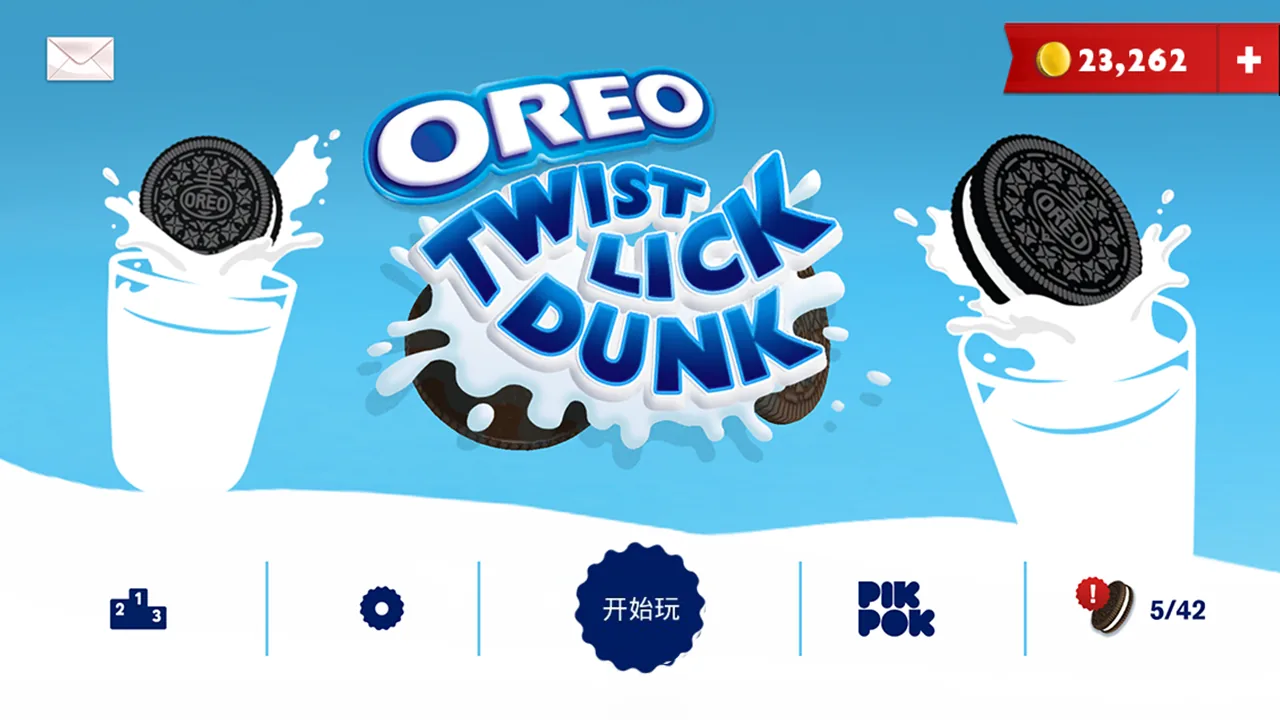
Result: About 7 million downloads and over 5 billion virtual cookies dunked. A Mondelēz executive told Reuters in 2016 that the game had made twice as much through in-app purchases and ads as the company invested; Mobile Marketer put average time in the app at around 40 minutes.
McDonald's LAND — McDonald's (2023)
Agency: Digitas, Publicis Play; developed by DeuSens · Platform: In-game (Roblox)
Players in Latin America started on an island with a virtual McDonald's restaurant, then travelled to four islands themed on the McCombo Pro menu: climbing a volcano of fries, snowboarding down an ice-cream mountain, floating down a soda river, scaling a giant burger. Coins collected on the islands were swapped at the restaurant for McDonald's wearables and avatar skins. Buying the real meal earned an exclusive Roblox skin too (LevelUp).
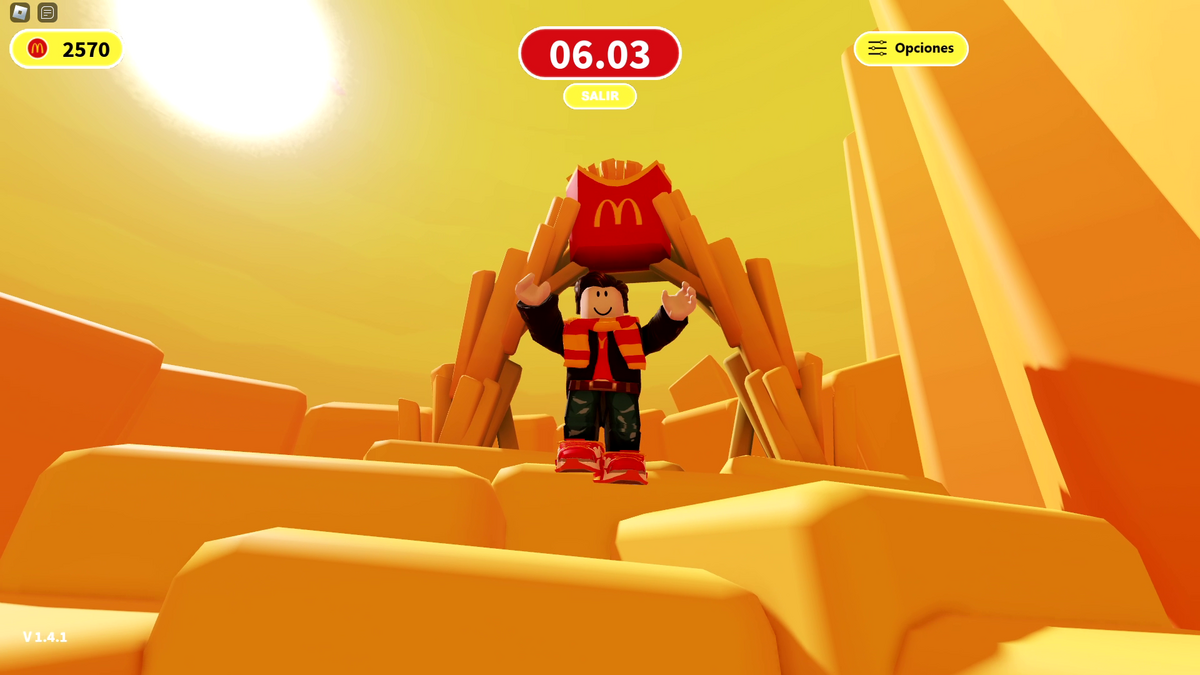
Result: More than 430,000 visits from more than 10 countries, more than 37,000 McCombo Pro orders and a 55% rise in sales through the McDonald's app, according to the developer DeuSens, which gives no baseline for the sales figure.
Beat The Goalie — Adidas (2026)
Agency: Playable · Platform: App
During the 2026 World Cup, adiClub members in Mexico opened the game inside the Adidas app, picked a national team jersey to set their goalkeeper and took five timed swipes with the Trionda ball. At least three goals out of five earned adiClub points, the programme's own currency, with one attempt a day and the balance on screen throughout. The brief was to get members to spend points already sitting in their balances.
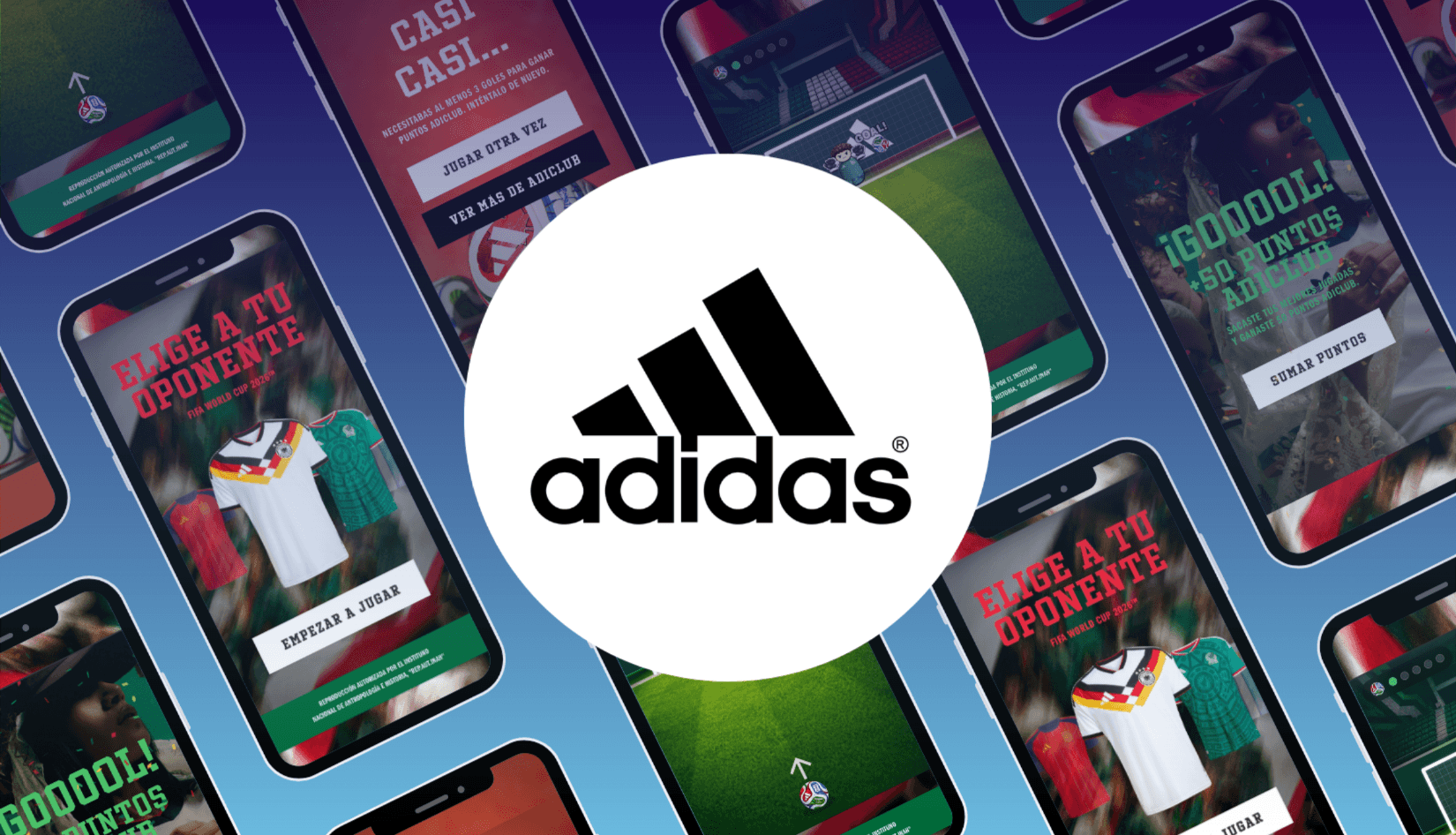
Result: 60,351 members played more than 360,000 times, about six plays each. The game paid out about 10 million points and almost 150 million were redeemed, 15 times the payout; 40% of winners spent their points during the campaign, according to Playable, which also claims a 100x return on investment.
FAQ
Is virtual currency the same as cryptocurrency?
Not quite. The IRS uses virtual currency broadly, for a digital representation of value other than real money, and calls cryptocurrency one type of it, recorded on a ledger such as a blockchain. Game coins are issued by the game's owner and usually cannot be cashed out; the EU's in-game currency principles leave cryptocurrencies out.
What is the difference between soft and hard currency?
Soft currency is earned through normal play: coins for a level, a goal or a daily visit. Hard or premium currency is bought, almost always with real money. A game can run both: Burberry's Roblox world let players pay in its own coins or in Robux. Most brand games in our library that have a currency use soft currency only, which keeps the consumer rules simpler.
Can in-game currency be exchanged for real money?
Usually not. The ECB's 2012 report notes that Blizzard's terms forbade selling World of Warcraft gold for real money and that Nintendo Points could not be converted back, while Second Life users could sell Linden dollars for US dollars. Roblox lets eligible creators aged 13 or over with at least 30,000 earned Robux cash out through its Developer Exchange. Brand games swap coins for rewards, not cash.