

A QR code game is a game that opens when a player scans a QR code with a phone, typically on a pack, poster, receipt or screen. For brands it turns a physical touchpoint into a countable play session, usually with nothing to install, and the scan can double as proof of purchase or presence.
How it works
QR stands for "quick response": the code was developed at DENSO WAVE and announced in 1994.
The player sees a code with a prompt such as "scan to play". On an iPhone, Apple's instructions are to hold the code in the camera view and tap the link that appears. The game loads in the mobile browser, or inside an app such as WeChat, usually with no download. Some games ask for camera access and play in augmented reality on the pack or a tabletop. A round ends with a score, and often a form and a prize or leaderboard place.
In hunts the code works as a checkpoint instead: each scan logs progress, as in Diesel's Egg Hunt across Milan (see scavenger hunt).
Where brands use it
The library tags 98 games as pack- or QR-led, and most are food and drink campaigns, where the pack reaches every buyer. Pizza Hut printed a code styled as an arcade coin slot on a limited-edition pizza box, and the maze on the lid became an AR Pac-Man level. Coca-Cola put one on the back of its Year of the Tiger cans to open family games inside WeChat. Beyond the pack, codes sit on street art, screens and shop walls: at Free an in-store poster led to a prize wheel whose wins were collected at the counter. The most common goal is engagement, followed by awareness and sales. Our QR code games roundup goes deeper.
When it fits
Use a QR code game when people already hold or pass something you control (a pack, receipt, shop wall, screen) and want that moment to count as a visit. The scan shows where a player came from: Chupa Chups paid pack scanners bigger prizes than link visitors while keeping a free route open. Where people scan in a queue, keep the round short, as TF1 and Coopérative U did with an instant win at checkouts. Monthly leaderboard resets or a month-end draw for non-winners bring people back.
On packs, involve the packaging team early: GS1 US's Sunrise 2027 programme is moving retail checkouts from 1D UPC barcodes to 2D barcodes such as QR codes, and advises brands to update existing QR codes on packs to the GS1 Digital Link standard.
When not to use it
Skip it where people cannot stop: roadside posters, the side of a bus, or a TV spot that shows the code for two seconds. Weak signal in underground stations or packed venues can stall the game between scan and load. If the goal is only a visit to a product page, a plain link will do; to reach people with no pack or poster in hand, a playable ad travels further.
Mind trust. The US Federal Trade Commission warns that scammers cover real codes, on parking meters for example, with their own. Keep the link on your own domain and print a short URL beside the code. If a prize depends on buying the pack, check the sweepstakes rules in each market.
Examples from the library
Scan, Play & Win — Chupa Chups (2021)
Agency: Xtendr Technologies (per its 8th Wall project page) · Platform: Mobile web with AR, from packs
Shoppers in India scanned the QR code on a Chupa Chups pack and landed in a browser game hub. With camera access allowed, they chose from up to five games: AR ones that turned a floor or table into a treasure island, a cricket pitch or a snake board, and arcade rounds such as Candy Runner. Scores went to a monthly leaderboard; each game's top ten won vouchers worth ₹2,000 if they entered through a pack, ₹500 through a link.
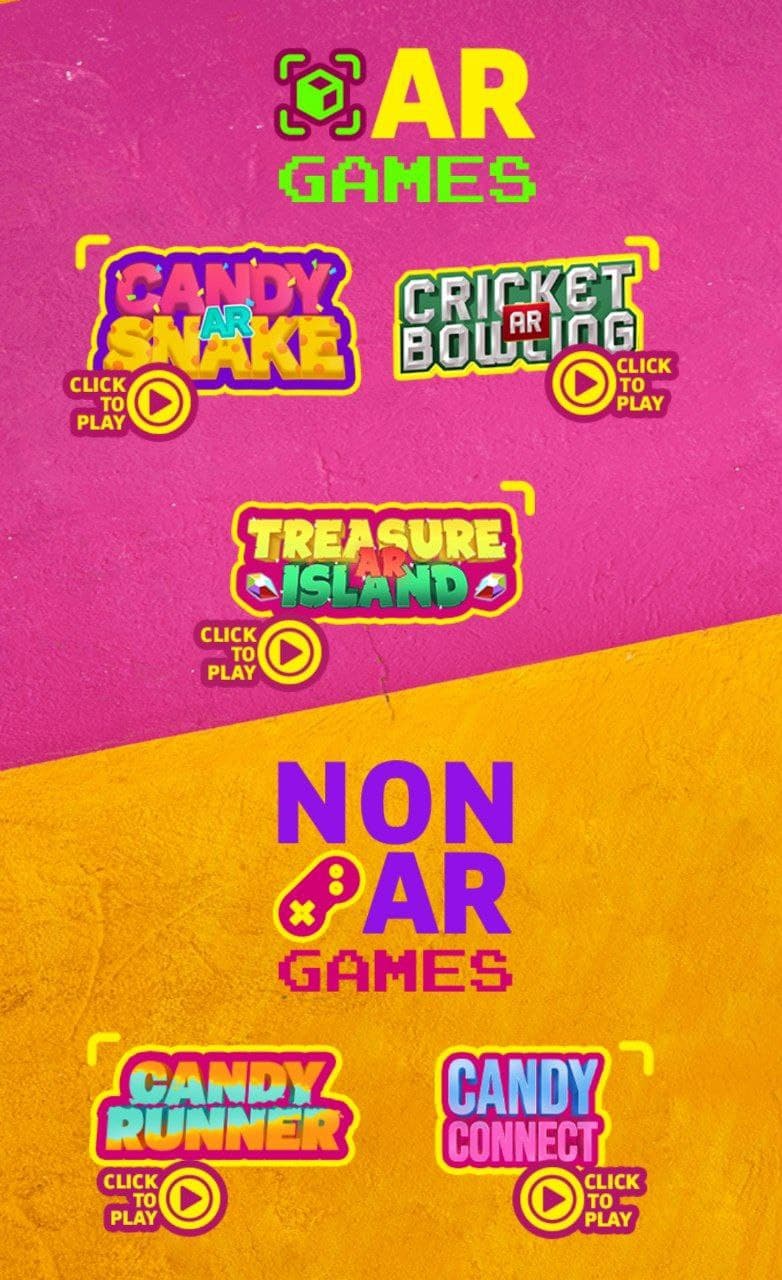
Result: According to Xtendr's project page, more than 50 million packs led to over 4 million minutes of engagement, and 28.3% of users came back to play again. Although the pack promotion ran only in India, consumers shared the game in 94 countries.
The MythBuster Challenge — Klarna (2021)
Agency: Makemepulse · Platform: Mobile web, from street murals
Seven large murals in UK pedestrian areas each showed one common myth about Klarna, with a QR code set into the art. Scanning opened an online gallery of the same paintings by artist Ignasi Monreal. Inside each painting the player hunted for the hidden detail that disproved its myth; finding it revealed the fact and opened the next one. Clearing all seven entered a prize draw. The game also worked from its URL alone.
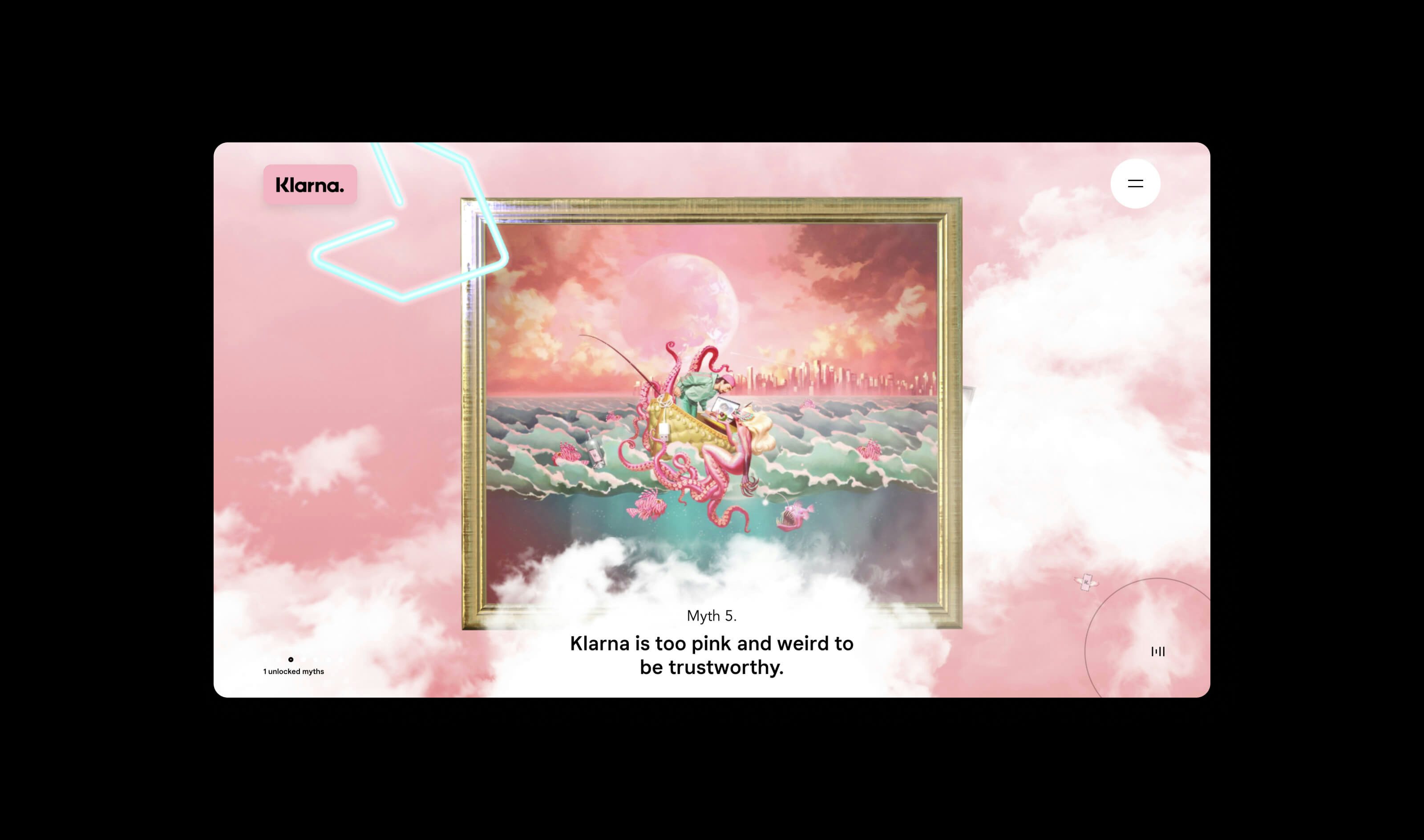
Result: According to The Drum Awards case study, across four weeks in May the murals drove over 160,000 visits to the mobile experience, and 45,000 people dispelled all seven myths. Trust in Klarna rose from 58% to 67%, and monthly active users of its app grew 7.3% from May to July 2021.
U Generations — TF1 (2025)
Agency: Drimify · Platform: Mobile web, from TF1+ and store checkouts
For their shared 50th anniversaries, broadcaster TF1 and retailer Coopérative U placed a QR code on the TF1+ streaming service, beside the "Générations U" decade collections, and promoted the game at checkouts in U stores. Scanning opened a short instant-win game in the browser. Players left their email and learned at once whether they had won a U gift card worth up to €150 or TF1 merchandise; non-winners went into a draw at the end of the month.
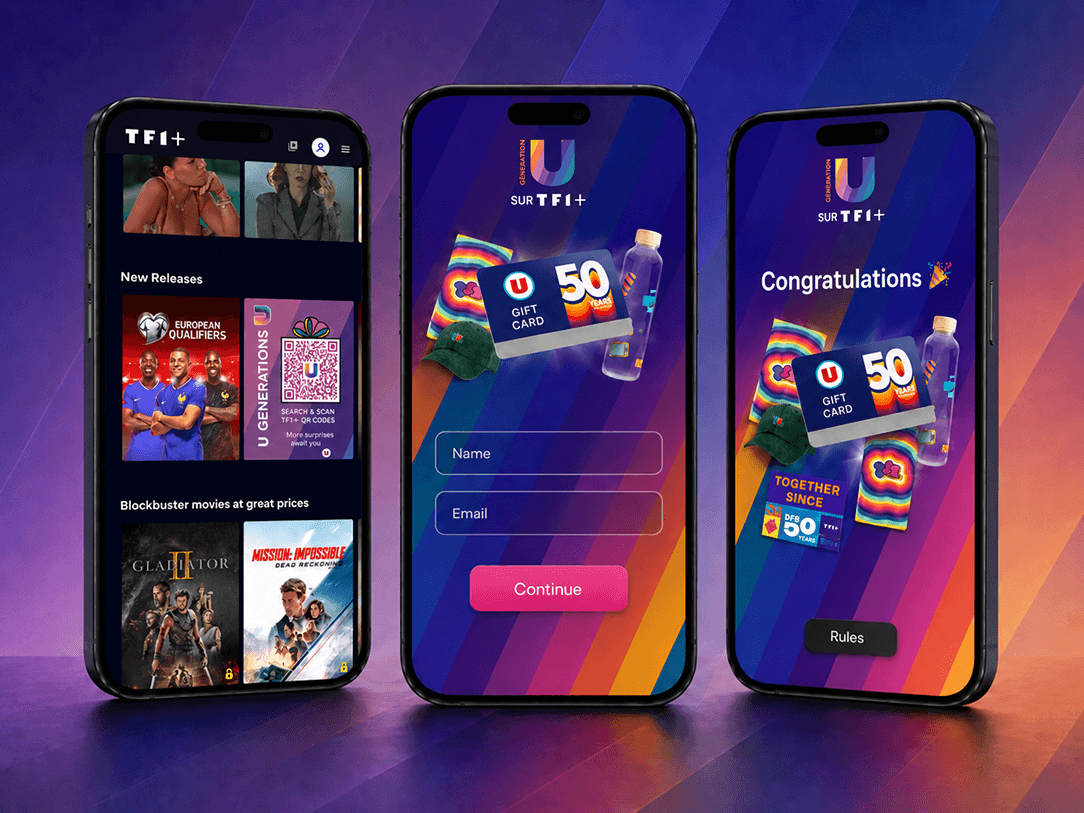
Result: Drimify reports more than 410,000 email leads, a 93% engagement rate among people who viewed it and a 99% completion rate.
FAQ
How do you make a QR code game?
Build or commission a game that runs in the mobile browser and host it on your own domain. Point the code there, test the scan on the real pack or poster where people will meet it, and print a short URL beside it. Then decide what a scan earns: a score, a prize or a leaderboard place.
Is a QR code game the same as an AR game?
No. The QR code is the way in; AR is one thing the game may do once you are there. Pizza Hut's box and Chupa Chups' treasure island used the camera to put the game on a real surface, while TF1's was a quick instant win with a form. An AR lens is different again: it runs inside a social app's camera.
Are QR code games safe to scan?
A code on a brand's own pack is as safe as the site behind it, but anyone can print a code. The FTC advises checking the web address before opening a link from a code in an unexpected place, and not scanning codes in unsolicited texts or emails.