

Session length is how long one visit lasts, from the moment a player opens a game, app or site until they leave or go idle. Average session length is total session time divided by the number of sessions. For a brand game it shows whether one sitting gave the message room to land.
How it works
The analytics tool decides where a session starts and stops. In Google Analytics, a session begins when someone opens the app in the foreground or views a page, and by default ends after 30 minutes of inactivity; there is no limit to how long one can last. Roblox reports average session time for every experience as the total time users spend in the game divided by the number of sessions.
As a formula: average session length = total time in sessions ÷ number of sessions.
A session is not a round: Lauv's Billy Meets World averaged 27 plays per session, according to AWAL. Nor is it time per player. GameAnalytics reports playtime per session and playtime per user separately, because one person can come back many times.
Where brands use it
149 games in our library report time spent in some form, though not always per session. In-game worlds quote it because the platform hands it over, but check the label: for McDonald's Ronald McDonald House in Roblox, opened with a code given to children staying at Sweden's Ronald McDonald Houses, Karta reports an average playtime of 11.27 minutes, not an average session length, next to 13.09% retention. Roblox's discovery guide also tracks the opposite signal, first play bounce rate: the rate at which users leave after a short play session. Games built on a TV ad use time figures to show play outlasted the spot: Cheetos turned its Mix-Ups commercial into Cheetahpult, a social game in a tab on its YouTube channel with 60-second rounds, and Goodby Silverstein & Partners' 2014 Cannes Lions entry gives an average play time of 7 minutes 17 seconds.
When it fits
Make session length a lead metric when the message needs one uninterrupted sitting: a story, a product demo, a puzzle built around the product, a world to explore. Set the target by format before launch and name the tool that will measure it; a one-button arcade loop and a Roblox world will rarely land in the same range. Use it to pace the game: if the product message sits in level three and most sessions end in level two, move the message. A game opened from a pack or a poster competes with real life and has to pay off in the first minute. When the brief is repeat contact, report sessions per player next to the average and read both with retention.
When not to use it
Don't chase it in a light format. An instant win game or scratch card is meant to end fast: customers spent an average of 1.5 minutes each with Q8 and Too Good To Go's catch game, according to Playable, yet 60% of its 1,000 instant-win vouchers were redeemed at Q8 stations. Judge those by redemption, data and completion rate. A long average can also mean players are stuck. Check which number an agency quotes: Google Analytics reports both average session duration and average engagement time per session, which counts only time the page was in focus or the app in the foreground. For under-18s, the UK Children's Code asks services to "avoid features which use personal data to automatically extend use"; check with counsel before stretching their sessions.
Examples from the library
The End — Channel 4 (2011)
Agency: Preloaded · Platform: Web (Flash)
Channel 4 Education commissioned The End to get 14-to-19-year-olds talking about death. Players crossed three worlds, Body, Mind and Spirit, each a side-scrolling platformer where the avatar's shadow became temporary platforms, then answered yes/no philosophical questions that plotted them on the Death Dial. Progress saved by email code or Facebook login, so a journey could stop and resume. The game is no longer online.
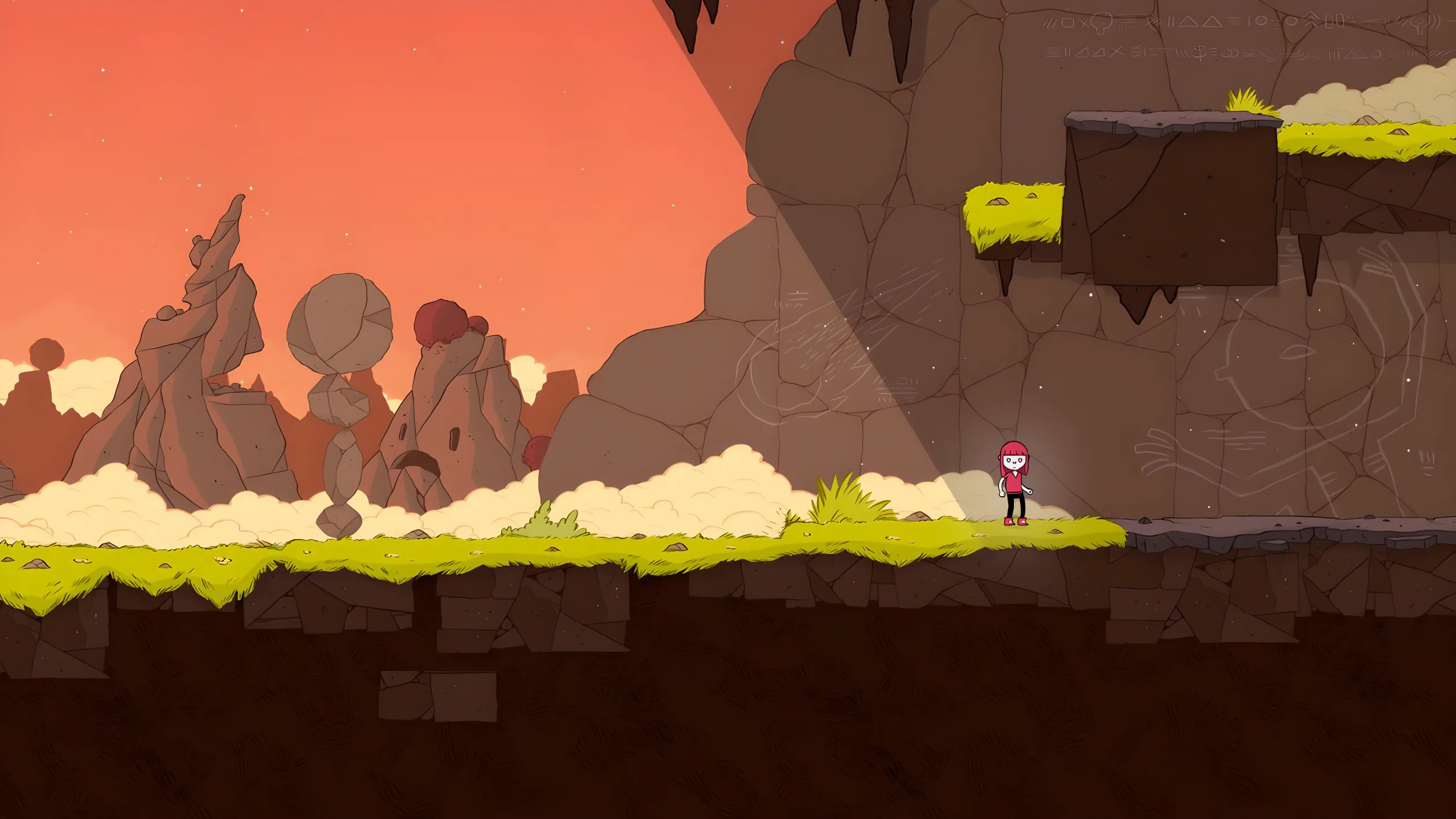
Result: An average session of 30+ minutes and an average saved game of more than two hours, according to Preloaded, with over 2.8 million levels played and total play time equal to 4,658 days. The gap is the lesson: a saved game spread over more than one sitting, so time per saved game and session length answer different questions.
Electric Racer Tokyo — Nissan (2025)
Agency: Dark Horses, with Electric Studios (design and animation) and RAW.digital (game development); illustrations by Kentaro Yoshida, according to Creative Boom · Platform: Web, desktop and mobile
Players pick Nissan Formula E driver Oliver Rowland or Norman Nato and race a pixel-art car through Tokyo, past Mount Fuji and cherry blossom, at a simulated 322 km/h (NISMO). Lightning bolts trigger Attack Mode boosts; slow down too much and it is Game Over. Scores go to a public leaderboard alongside the real drivers'. The Clio entry calls it purposefully difficult, and it is still online.
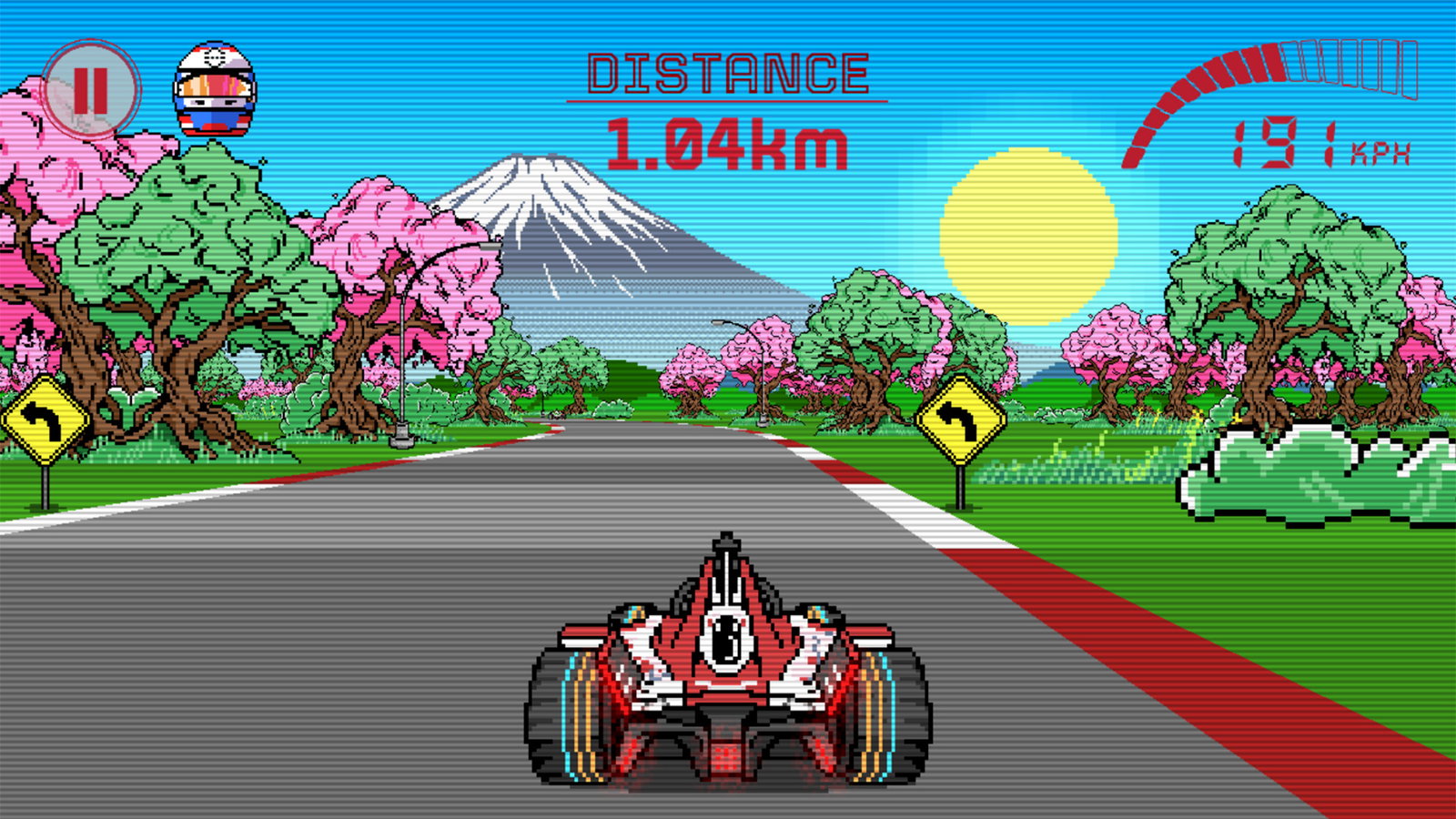
Result: 94,000 plays at an average session of 2.54 minutes (a decimal, about 2 minutes 32 seconds), which the Clio Sports entry multiplies out to 238,760 minutes of play. The activation earned over $3 million in earned media value, 25 times the budget by the entry's count, and 84% of people exposed to the race activations saw Nissan as "exciting", against 43% of those who weren't.
WimbleWorld — Wimbledon (2022)
Agency: The Gang · Platform: Roblox
Built around a replica of Centre Court for the 2022 Championships, WimbleWorld had an avatar of Andy Murray teach the basics before singles matches against the AI or other players. Wins paid Wimble Bux for a shop of Wimbledon x Ralph Lauren gear, and hidden-item hunts and lawn-care mini-games filled the gaps, so a session drifts between matches and errands. Renamed Wimbledon: Tennis Showdown, it is still live on Roblox.
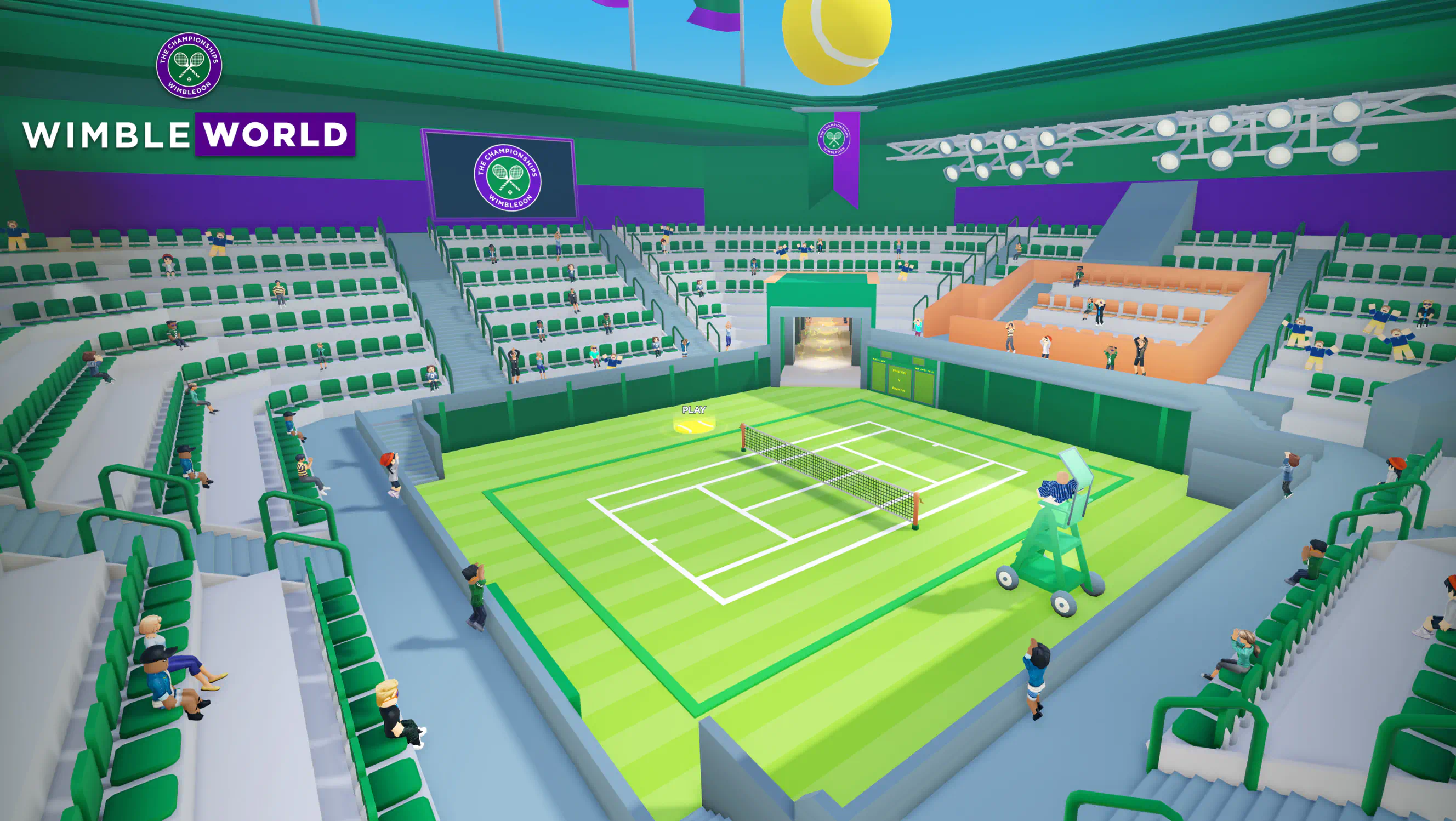
Result: 15.3 million visits and a 10-minute average, which The Gang's case study labels "average dwell time". Players under 13 accounted for 55% of sessions but 53% of hours played, so their sittings ran slightly shorter than average. Splitting session length by audience shows who stays.
FAQ
What does "3 sessions" mean?
Three separate visits. In Google Analytics a new session starts when someone opens the app or views a page while no session is active, for example after 30 minutes without activity. A fan who plays at breakfast, lunch and dinner is one user with three sessions. Other tools draw their own boundaries, so check the definition before comparing.
How long is an average session?
There is no general answer; format and platform decide it. On this page alone, reported session averages run from 2.54 minutes for Nissan's Electric Racer to more than 30 minutes for The End. Set a target for your format and compare only figures measured the same way. Our playable marketing statistics collect what other brand games report.
Is session length the same as dwell time?
Close, but narrower. Dwell time is how long people stay with content, reported per session, per player or in total; session length fixes the base at one sitting. Time per player is roughly session length multiplied by sessions per player, so a daily game with short sessions can outlast a one-off game with sessions five times as long.