





Electric Racer Tokyo
Open the game- Brand
- Nissan
- Year
- 2025
- Objective
- Awareness
- Industry
- Automotive
- Mechanic
- Racing & Sports
- Platform
- Web


Objective
Formula E draws barely 1% of Japan's population, so cheering on race weekend wasn't enough to build a mainstream following — Nissan needed to reach beyond motorsport fans, especially a younger audience losing interest in cars, and stake its claim as a leader in electric racing. Rather than compete for attention inside auto racing, the team moved into gaming, Japan's dominant entertainment category, to bring back the thrill of driving on its own terms.
Solution
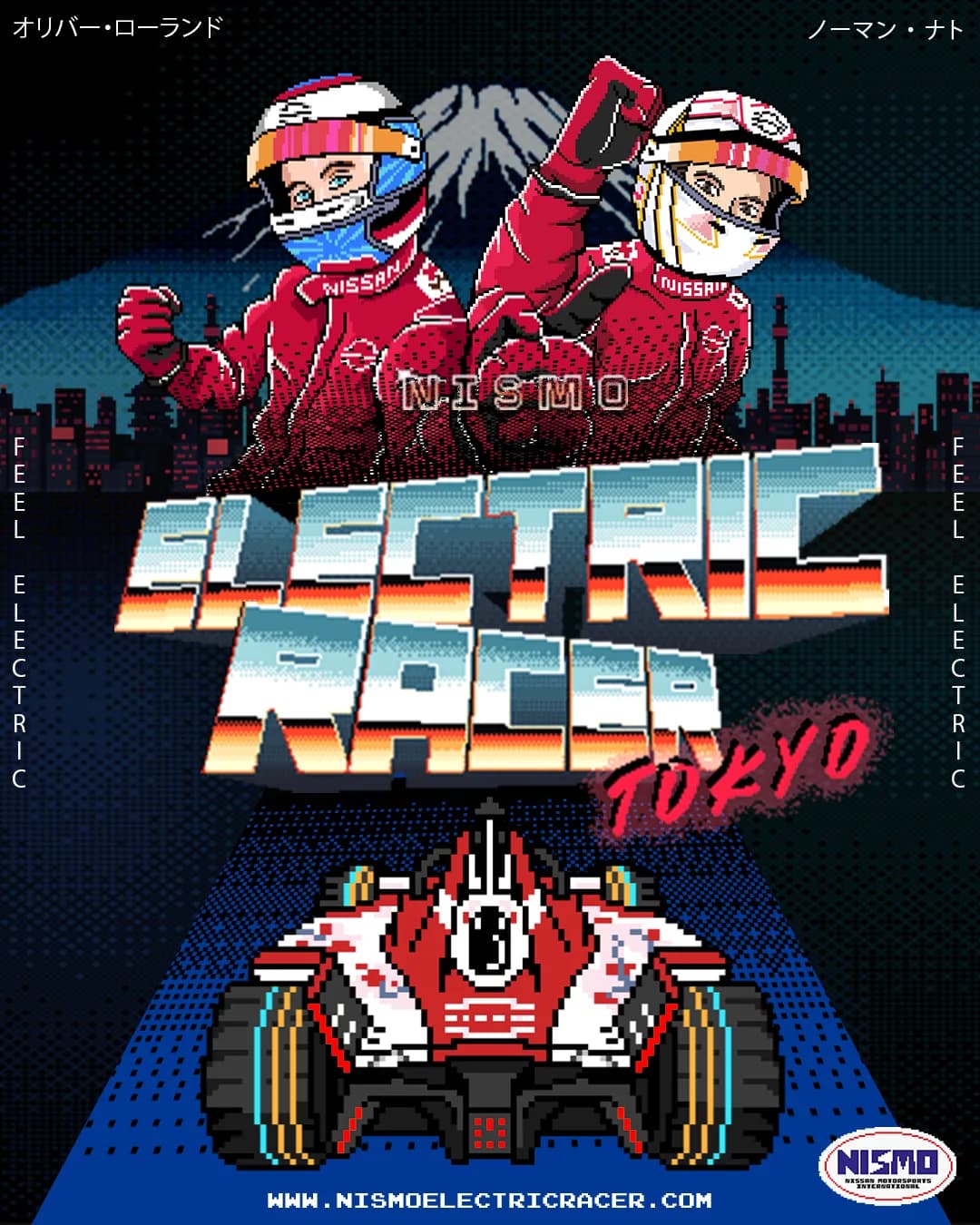
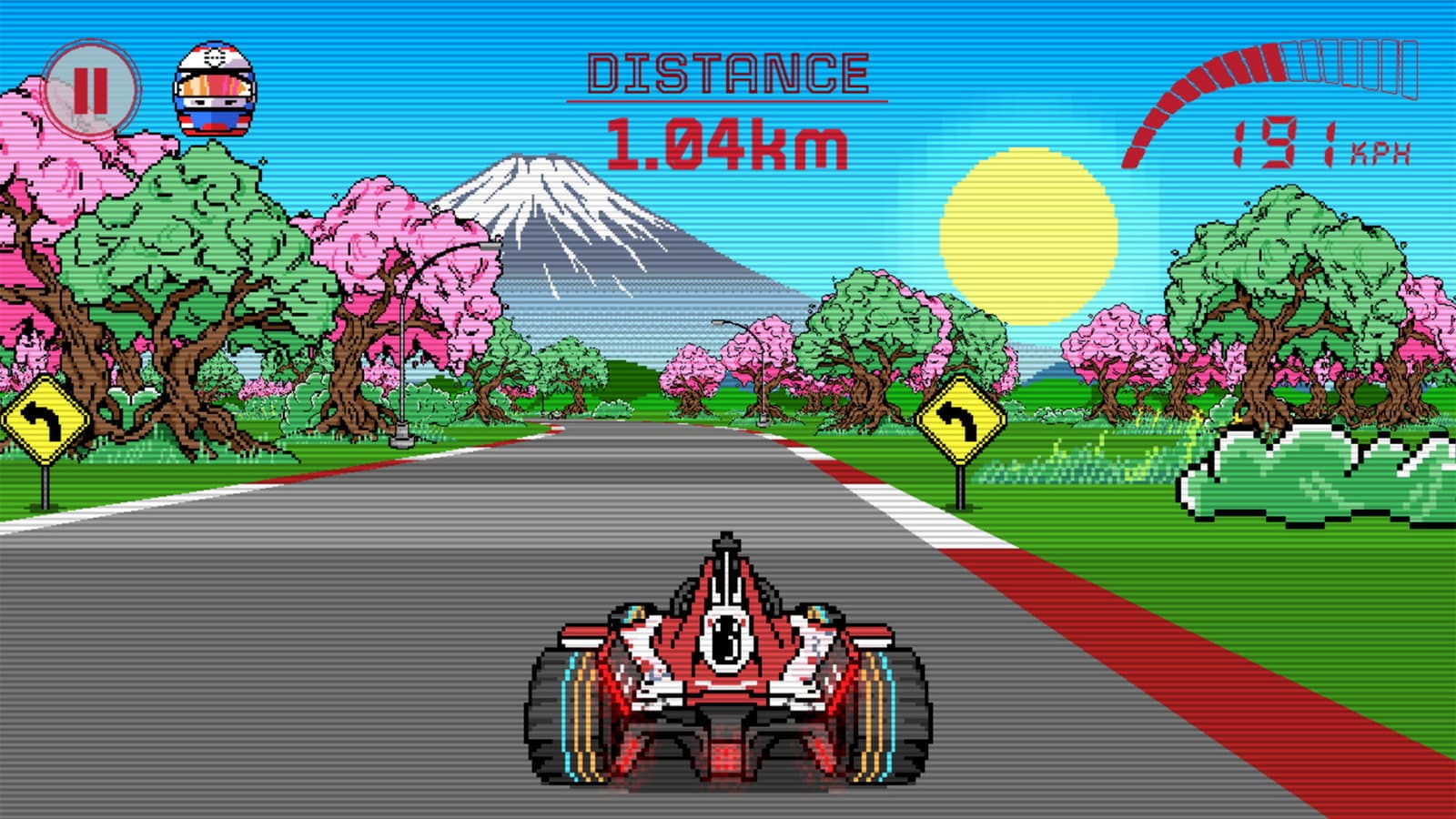
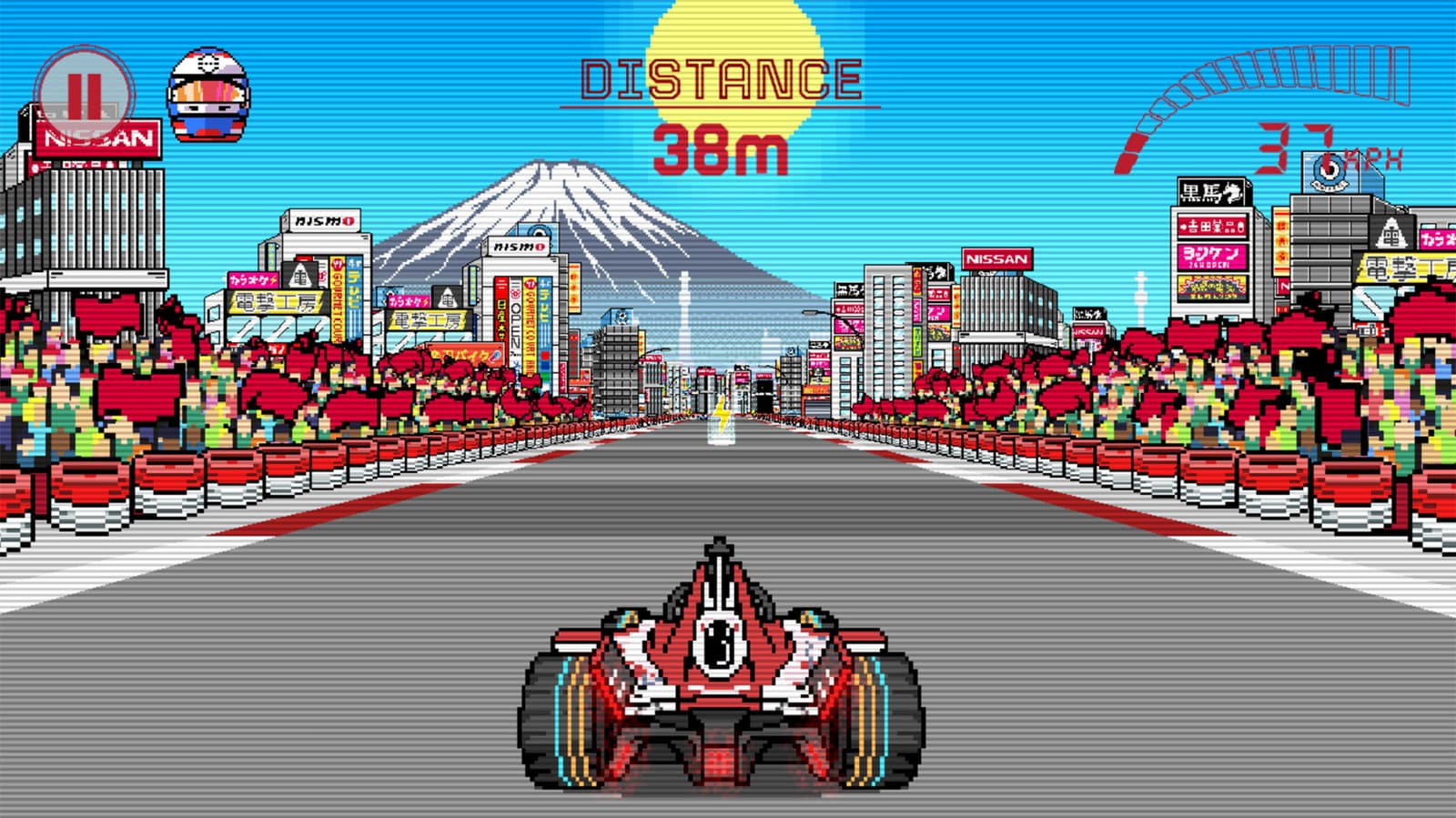
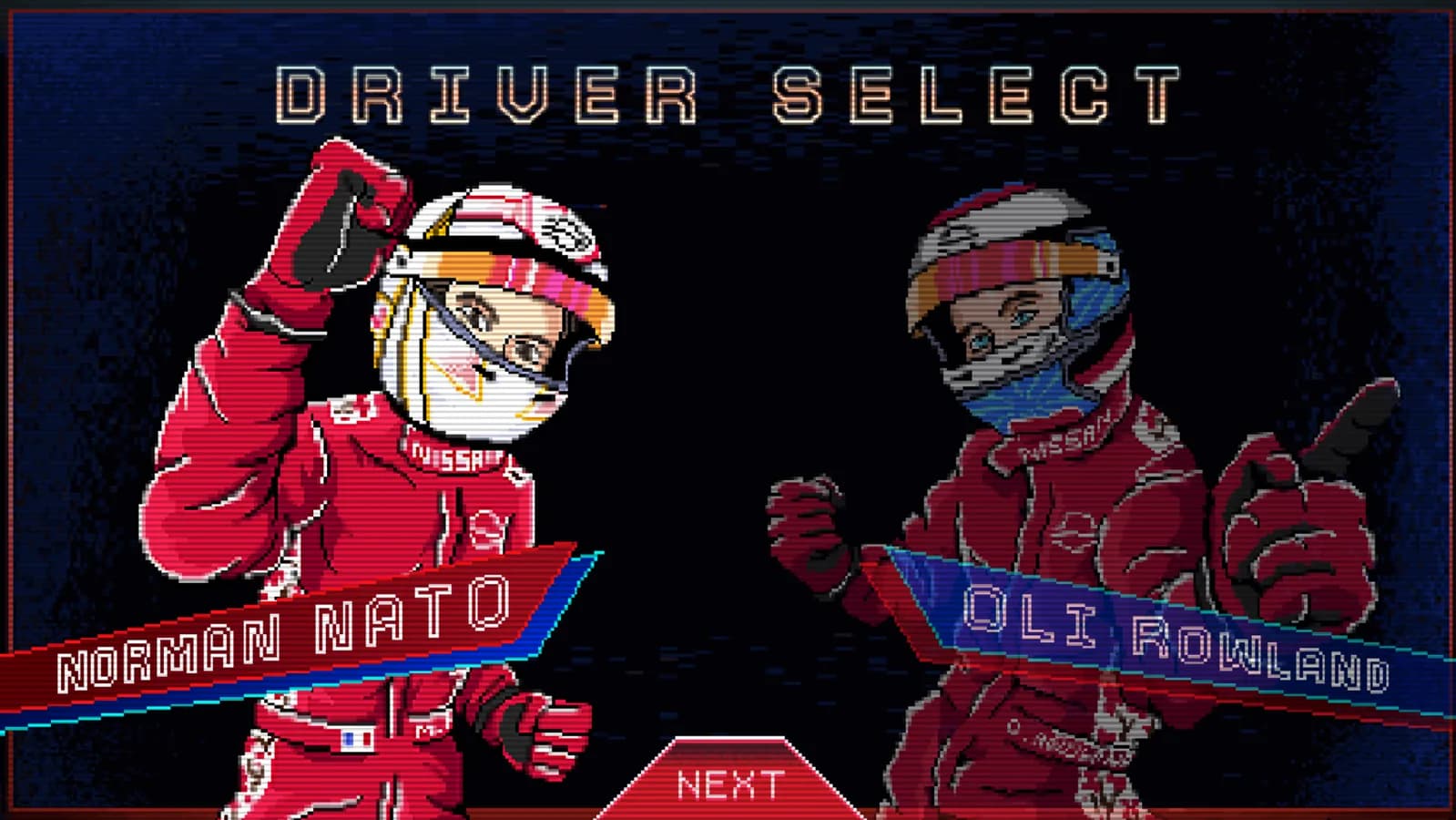
Open nismoelectricracer.com (or tap Play Now! on nismo.com) and you're straight into a browser arcade racer, no install required. Pick your driver — real Nissan Formula E racers Oliver Rowland or Norman Nato — and you're off down a pixel-art Tokyo street circuit, Mount Fuji and cherry blossoms rolling by in a neon, 16-bit homage to golden-age arcade racers. Grab lightning-bolt boosts to trigger an Attack Mode speed surge, but ease off too much and you stall out, just like managing energy in real Formula E. The run ends the moment you crash, and your top speed and distance land on a public leaderboard sitting right alongside the real drivers' own scores — so every player is racing against the pros, not just the clock.
Results
The campaign drew 23 million views on its promotional material, beating a 15 million target, and the game itself logged 94,000 play sessions averaging 2.54 minutes each. It generated over $3 million in earned media value, about 25 times the campaign budget, and among people exposed to the race activations, 84% described Nissan as "exciting" versus 43% among those who weren't.
- 1
The player reaches the game for free in a browser, either at a direct URL or via a "Play Now!" button on a promo page, with no install required on desktop or mobile.
- 2
A title screen greets the player in the style of an early-90s arcade cabinet, with pixel-art graphics, a retro logo, and the game's name.
- 3
The player picks which real driver to race as, choosing between two teammates.
- 4
Controls are kept arcade-simple: one key to accelerate and the arrow keys to steer.
- 5
The race itself is a pixel-art side/rear-view driver where the car races down a Tokyo street toward the horizon, accelerating up to a real-world top speed as sakura-lined streets, a neon cityscape, and Mount Fuji scroll past in the background.
- 6
Along the way the player dodges track hazards like grass verges and roadwork barriers, while collectible lightning bolts on the track grant a temporary speed boost.
- 7
If the player stalls or plays too passively, joke "team orders" messages pop up on screen, mimicking pit-wall radio calls.
- 8
A run ends the moment the car crashes, and driving too cautiously also ends the run, echoing the energy-management stakes of the real sport.
- 9
Performance is scored as distance traveled in kilometers, and the score is submitted to a public leaderboard that also carries the real drivers' own benchmark runs for players to try to beat.
- 10
The player can restart immediately to attempt another run.