

Earned media is coverage a brand gets without paying for the placement: news stories, reviews, social posts, creator videos and word of mouth. It sits beside paid media (bought ads) and owned media (the brand's own channels). A campaign game people write about can reach far more people than it has players.
How it works
Wikipedia describes earned media as content about an organisation that a third party publishes without payment. Paid media is space a brand buys; owned media is its own site, app and accounts; the PESO model adds shared (social) media. If a paid ad goes viral and others cover it, the extra coverage counts as earned; the ad itself does not.
With a game, the brand pays for the game and any stunt around it; journalists, players and streamers decide whether to cover it.
Agencies usually report it three ways: the number of articles or mentions; earned impressions or reach, an estimate of the audience the coverage could have reached; and a money figure, earned media value or PR value, that prices the coverage as if it had been bought as advertising (advertising value equivalency, AVE). The Public Relations Society of America has proposed ways to estimate it, Wikipedia notes.
Where brands use it
Dozens of library case records report press pickup, earned impressions or a money value, most of them for engagement and awareness campaigns. IKEA's Roblox recruitment campaign The Co-Worker drew over 2,000 news articles and hundreds of influencer videos, which generated 16 billion earned media impressions, according to The Gang (our story of the campaign). Reporters Without Borders launched The Uncensored Library in Minecraft with a media budget of €0; its One Show entry lists 790 news articles and a total media reach of 2.7 billion. The examples below span tech, food and drink and travel. For stunts built for headlines, see guerrilla marketing; for spread between players, viral marketing.
When it fits
Earned media suits a reach and reputation brief when the media budget is small and the idea is news in itself: a first, a famous name, a cause or a calendar date. Google's Smarty Pins launched during the 2014 World Cup with a football round. Plan the launch: press material, early access for journalists and creators, a result screen worth posting.
Set a target before launch, paired with an outcome. AMEC's Barcelona Principles 3.0 put goal-setting first and ask for outputs, outcomes and impact. To the Last Tree Standing, a Minecraft map built for Greenpeace Poland, set an earned media goal of 1.2 million PLN and reached 1.57 million PLN (AVE) within a month, according to Ogilvy's MIXX Awards entry; its petition drew more than 20,000 signatures in the main phase against a 16,000 target, and more than 170,000 in total.
When not to use it
Don't make coverage the only route to players. Journalists decide what runs, and coverage can turn negative (Wikipedia), so keep owned channels or a paid format such as a playable ad as a floor. Skip it for a closed audience such as staff or loyalty members: your own channels reach them, and engagement rate tells you more than press reach.
Don't count paid posts as earned. A post by someone paid or given something of value is sponsored, and the US FTC usually expects the connection to be disclosed clearly; check with counsel. Nor is earned media value a return on investment: principle 5 of the Barcelona Principles reads "AVEs are not the value of communication". Report coverage next to sales, sign-ups or brand lift.
Examples from the library
Smarty Pins — Google (2014)
Agency: Hook · Platform: Web
The game ran on Google Maps in the browser. A trivia question appeared and the player dragged the red Maps pin to where they thought the answer was. Players started with 1,000 miles (Engadget) and lost the distance between pin and answer; the round ended when the miles ran out. A featured category added football questions for the World Cup (TechCrunch).
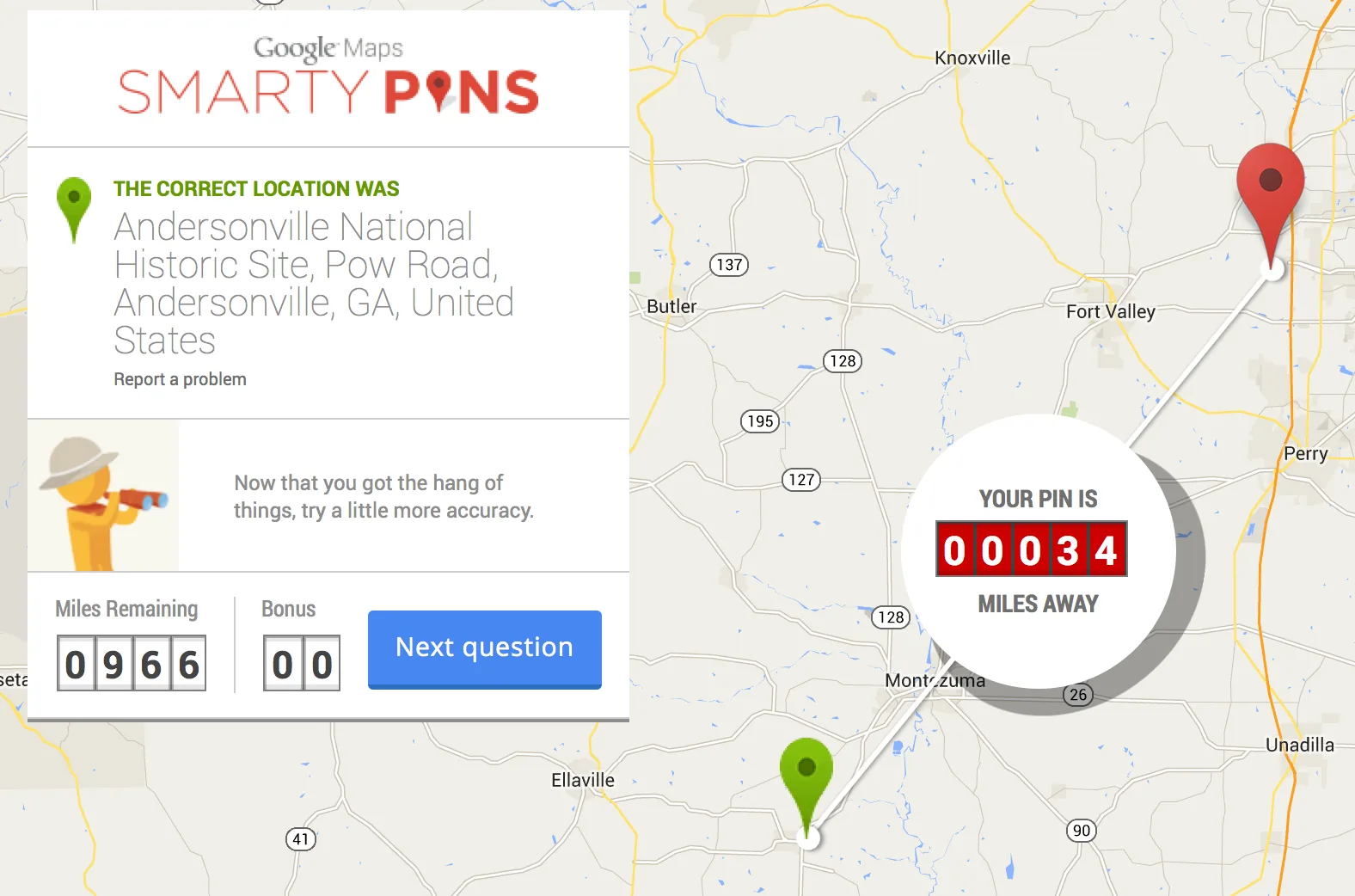
Result: Nearly four million people played and answered more than thirteen million questions, with average engagement of more than five minutes, according to Communication Arts. The project's director of production says that with no paid media and minimal banner support, it relied on press pickup: 416 articles, including Polygon, The Verge, TechCrunch and The Huffington Post.
Poptopia — Pop Secret (2013)
Agency: Deutsch, UNIT9, Deeplocal · Platform: App (iOS)
In the free iOS app, players tapped smiling kernels as they glowed, sending them into a giant floating mouth; mistimed kernels burned, and roaming Scorchers had to be dodged. Swiping away a stick of butter released a burst of popcorn scent if a Pop Dongle sat in the headphone jack. Only three dongles went to the public, all auctioned on eBay for the American Red Cross (Slate). The gadget existed for the headlines.
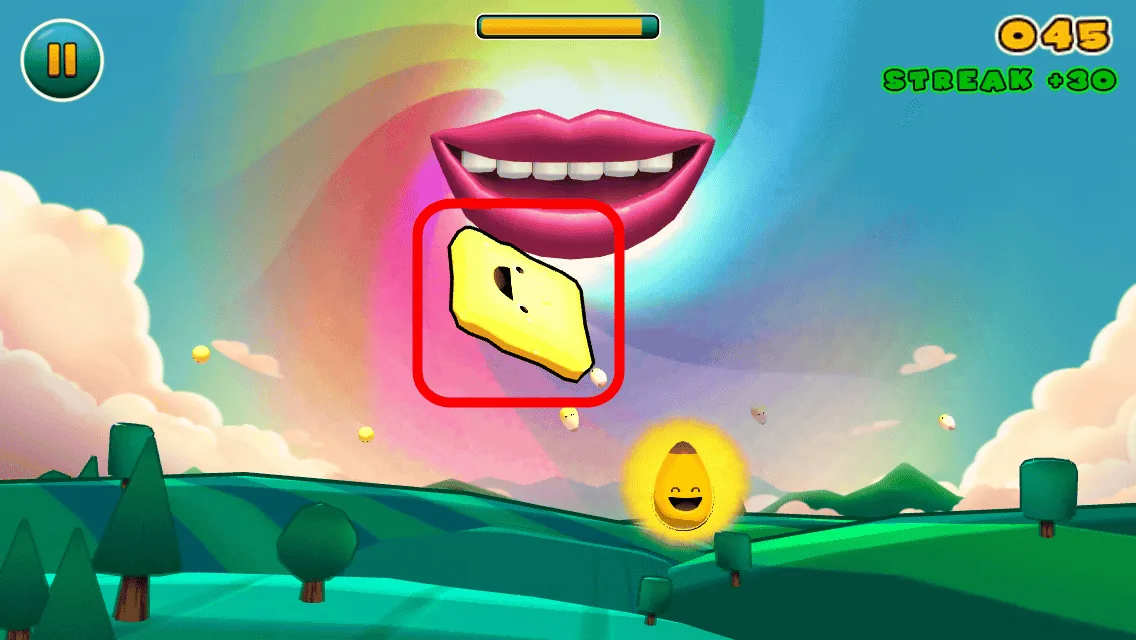
Result: Over 325 million impressions in a week, which the Shorty Awards entry values at $3.25 million of PR against the $200,000 Pop Secret spent. The entry gives no method; the value works out at exactly $10 per thousand impressions.
Marriott Bonvoy Land — Marriott (2023)
Agency: Razorfish, built with SuperAwesome and Zen Creative Studios · Platform: Fortnite
Players entered the island code in Fortnite Creative and landed in a park ringed by four hotels. In each lobby a concierge offered a room tour or the hotel's mini-game: prop hunt at Moxy, an obstacle-course speed run at Westin, a labyrinth of clues at W Hotels and a hunt for hidden keys at Autograph Collection. Creators including Mr. Savage, Ali-A and Birdo played it on their channels and asked followers to join (Shorty Awards).
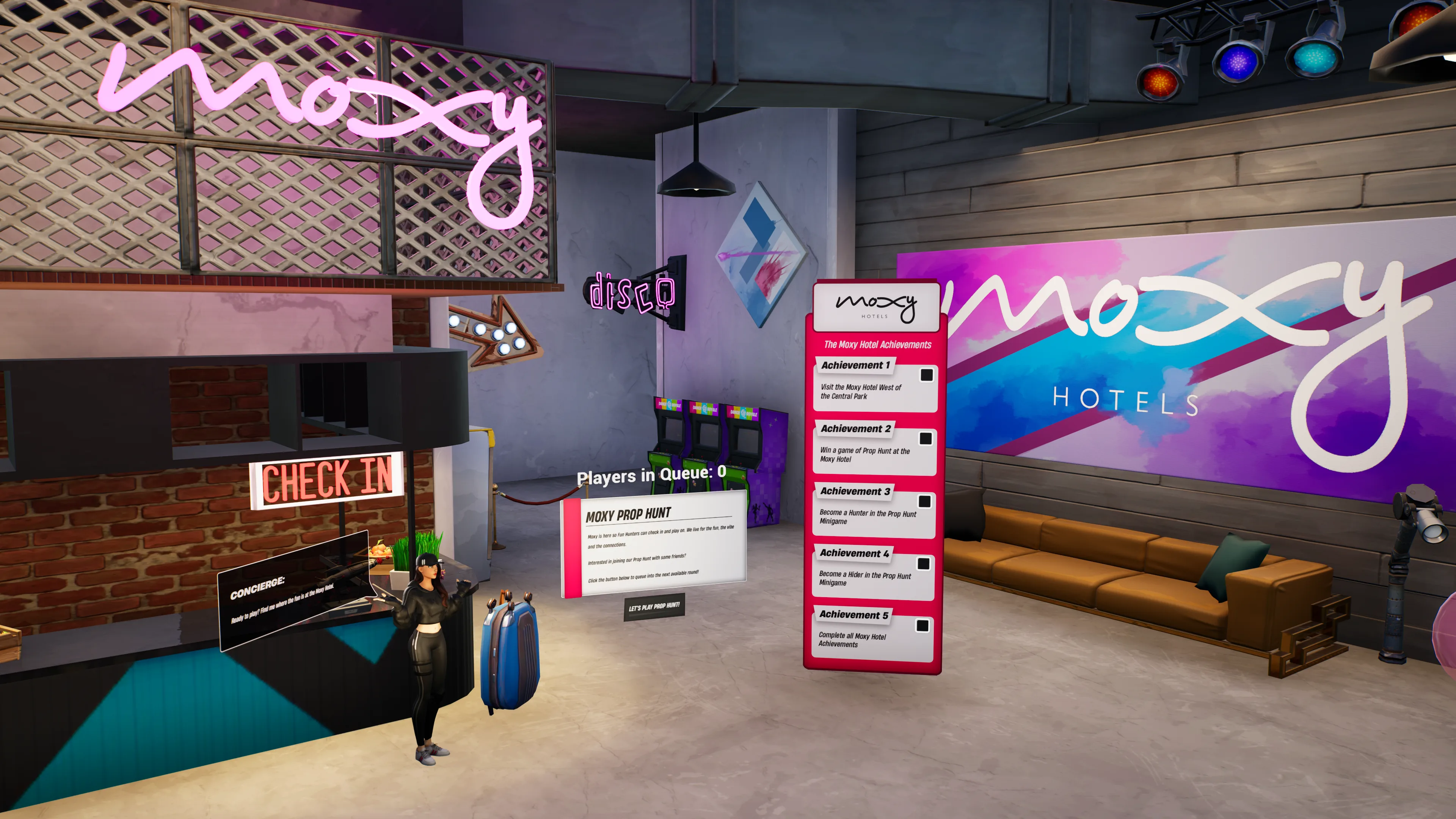
Result: More than 450 million earned impressions and 27 million views of creator gameplay, with a 14% lift in brand consideration and 13% in digital ad awareness, according to Razorfish. The Shorty Awards entry calls the creators partners without saying whether they were paid, the first question to ask before adding creator views to an earned total.
FAQ
Is earned media the same as PR?
No. Public relations is a discipline; the CIPR defines it around reputation: what an organisation does, what it says and what others say about it. Earned media is that last part. PR also produces owned material such as press releases, and earned media can arrive with no PR at all: a player's stream, a review.
Do you pay for earned media?
Not for the placement. You pay for whatever earns it: the game, a stunt, a press team. Pop Secret's Shorty Awards entry puts its spend at $200,000. Once money, free product or another perk goes to the person posting, the US FTC usually expects the connection to be disclosed, and the post counts as sponsored.
What is the difference between earned, owned and paid media?
Paid media is space a brand buys: ads, sponsored posts, a playable ad. Owned media is what it runs itself: website, app, newsletter, social accounts. Earned media is what others publish about it for free. There is no separate unearned category: whatever a brand pays for or publishes itself is paid or owned. A paid ad that others then write about adds earned coverage on top.