


Gamification in healthcare, for a marketer, means a campaign game that gets people to act on their health: check their eyes, test their memory, eat better or fund research. This guide reviews nine such games from charities, an insurer, consumer brands and pharma companies, with sourced results, and what EU and US advertising rules allow pharma brands to build.
Search results on this topic mostly list clinical apps. This piece covers games a brand, charity or public body commissioned to change what people know or do. All nine come from the Well Played library, span 2008 to 2025 and have a documented result or a lesson about the rules.
What counts as gamification in healthcare marketing?
Two different things share the label. One is the medical product, where the game is the treatment. EndeavorRx, for children aged 8 to 12 with ADHD, became the first game-based therapy the FDA authorised for any condition, and it was made available only on prescription (American Psychiatric Association, June 2020).
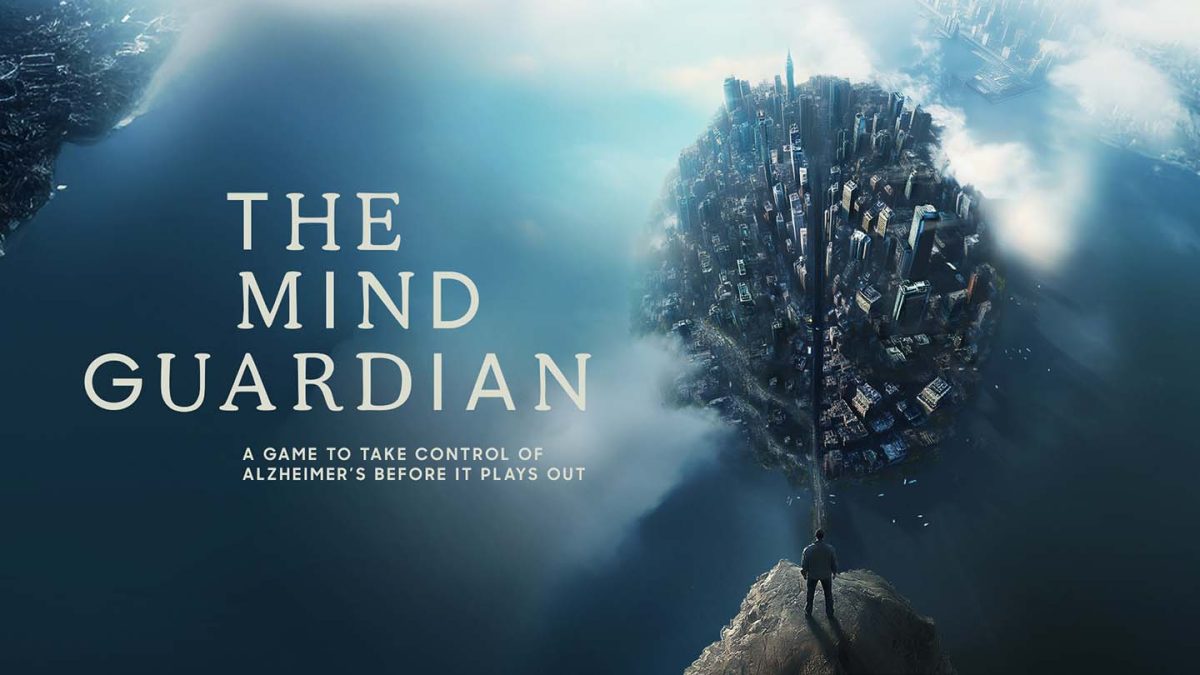
The other is the campaign game, our subject: a brand pays for it to meet a business or public-health objective, and advertising rules apply. Some sit near the line: Samsung presents The Mind Guardian as a screening tool rather than a medical product, one that does not replace a diagnosis (Samsung Newsroom Spain, March 2025).
Can pharma brands use gamification under advertising rules?
Yes, but the medicine's legal status decides what the game may show. In the EU, Directive 2001/83/EC requires member states to ban advertising of prescription-only medicines to the general public. Medicines designed for use without a doctor may be advertised, and the ban does not cover industry vaccination campaigns approved by national authorities (Directive 2001/83/EC, Article 88). Information about health or diseases sits outside the advertising rules, provided there is no reference, even indirect, to a medicine (Article 86).
In the US, the FDA's Office of Prescription Drug Promotion checks that prescription drug advertising is not false or misleading (FDA, current as of September 2025). The FDA withdrew its 2004 draft guidance on disease awareness in 2015, but its ideas still shape reviews: in a case the FDA Law Blog covered in January 2022, the agency treated an unbranded disease spot plus a "brought to you by" brand tag as one ad needing risk information (FDA Law Blog). For other health products, the FTC generally expects claims to rest on randomised controlled trials (FTC Health Products Compliance Guidance, December 2022).
What that means for a game idea:
- Prescription medicines: in the EU, make the disease the subject, with no product name, pack or end-screen logo, since even an indirect reference counts. In the US, a drug name next to disease content, even as a sign-off, can turn the whole piece into an ad that must carry risk information.
- Over-the-counter products: the product can be the hero. Mucinex's Mucus Masher (2024) let players type an object to drop on its mascot, scored the smash and offered coupons afterwards (Marketing Dive). Health claims still need evidence.
- Screening prompts: end with a referral to a professional, not a verdict, as Eyecatcher and Kiddi World do below.
- Professional audiences are a separate case. Vetoquinol's Mastatest game for livestock vets paired a product quiz with a bubble shooter of mastitis bacteria; the vendor, Drimify, reports a 78% engagement rate without defining it (case study).
Regulators play too: the FDA's youth tobacco-prevention campaign, The Real Cost, partnered with Fandom on Attack of the Metallic Menace, an anti-vaping AR shooter at San Diego Comic-Con.
Healthcare gamification examples: nine campaign games
Yoobot Vs YooNot — British Heart Foundation (2008)
Agency: Grey, BLOC · Mechanic: Simulation & Strategy · Platform: Web
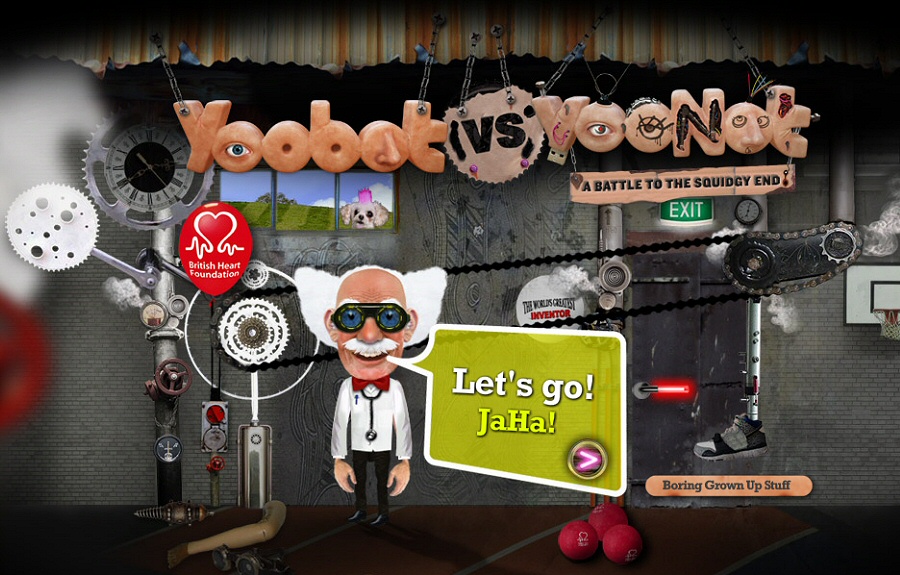
Made for 11 to 13-year-olds, the game had children build a Yoobot with their own face and feed it from foods flagged for salt, fat and sugar. One real day equalled three years of Yoobot life, so each visit showed a changed character, with alerts on blood pressure, cholesterol and heart disease risk. A 2009 relaunch added YooNot, a junk-food rival.
Result: Over a million children created Yoobots, and 78% of the 11 to 13-year-olds who played claimed to have improved their diets; the case won Silver at the 2009 IPA Effectiveness Awards (IPA).
Nightmare: Malaria — Against Malaria Foundation (2013)
Agency: Psyop, Q Department, Establishment for the Greater Good · Mechanic: Adventure & Quest · Platform: App
You played a girl inside her own bloodstream after a mosquito bite, across 18 levels. There was no attack button: you dodged and hid, and the safe zone was shaped like a bed net. Every death brought a prompt to give $3 for a real net.
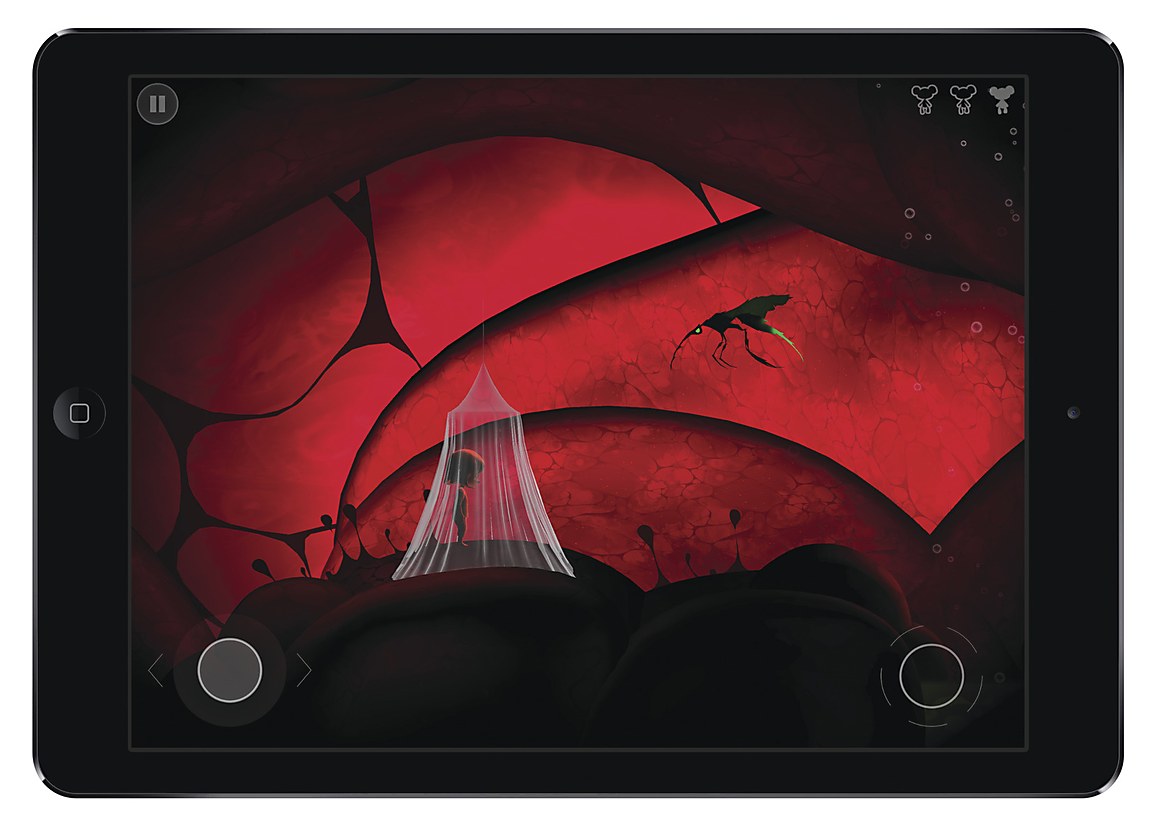
Result: In the first week after its Giving Tuesday launch, the team reported 102,000 players and 145,000 sessions averaging 5 minutes 9 seconds; it also reported 40,000 clicks through to the foundation (Communication Arts).
Tough Cookies: The Game — IGA (2022)
Agency: Sid Lee · Mechanic: Adventure & Quest · Platform: Web
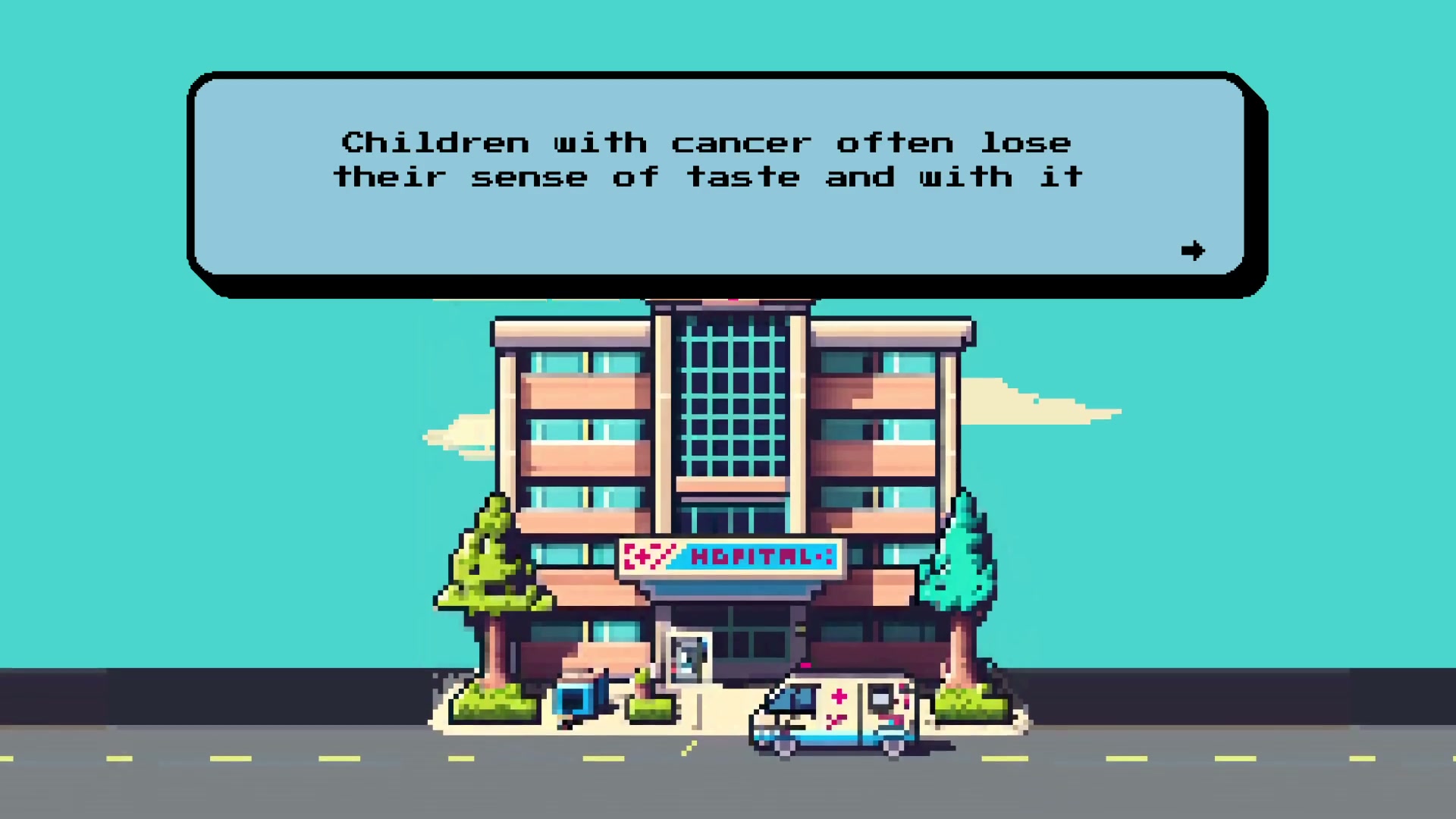
At checkouts of IGA, the Quebec supermarket chain, shoppers bought temporary tattoos drawn by young cancer survivors to fund the Fondation Charles-Bruneau. A QR code on the sheet opened a browser platformer with four levels, one per taste, and each tattoo bought unlocked its character.
Result: According to the agency, four editions from 2021 to 2024 raised more than $1.7 million for paediatric cancer research and drew over 80,000 players; the 2022 game alone had over 20,000 players (Sid Lee).
Eyecatcher — Dynoptic (2022)
Agency: Inhalt und Form · Mechanic: Arcade & Action · Platform: Social (Instagram, Facebook)
Tapping the ad opened the game in the feed, with the front camera turning the player's face into the controller: you caught falling eyes by winking. Glasses tripled the score, an onion set off virtual tears, and the round ended with a link to a free vision test at a Dynoptic optician in Switzerland.
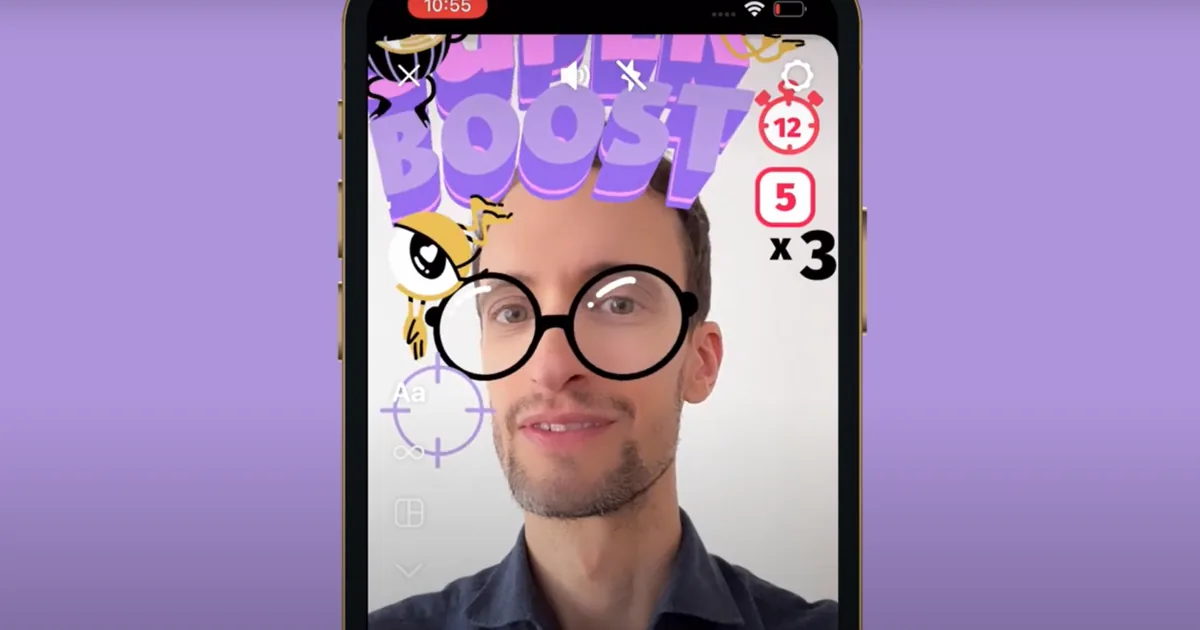
Result: Average play time was over four minutes (Ads of the World).
The Mind Guardian — Samsung (2025)
Agency: Cheil Worldwide Spain · Mechanic: Quiz & Trivia · Platform: App
Samsung built this free tablet game for over-55s in Spain with the Universidade de Vigo. For about 45 minutes the player walks a city that stands for their own mind, memorising items to find later, then traces a spinning circle with a finger and picks the right association from three images. Each task tests a type of memory; a personal report closes the session.
Result: In its first year, users completed more than 5,000 tests, 5% of which showed a possible risk of cognitive decline; 86% of users who agreed to share their data were aged 55 to 69 (Samsung Newsroom Spain, April 2026).
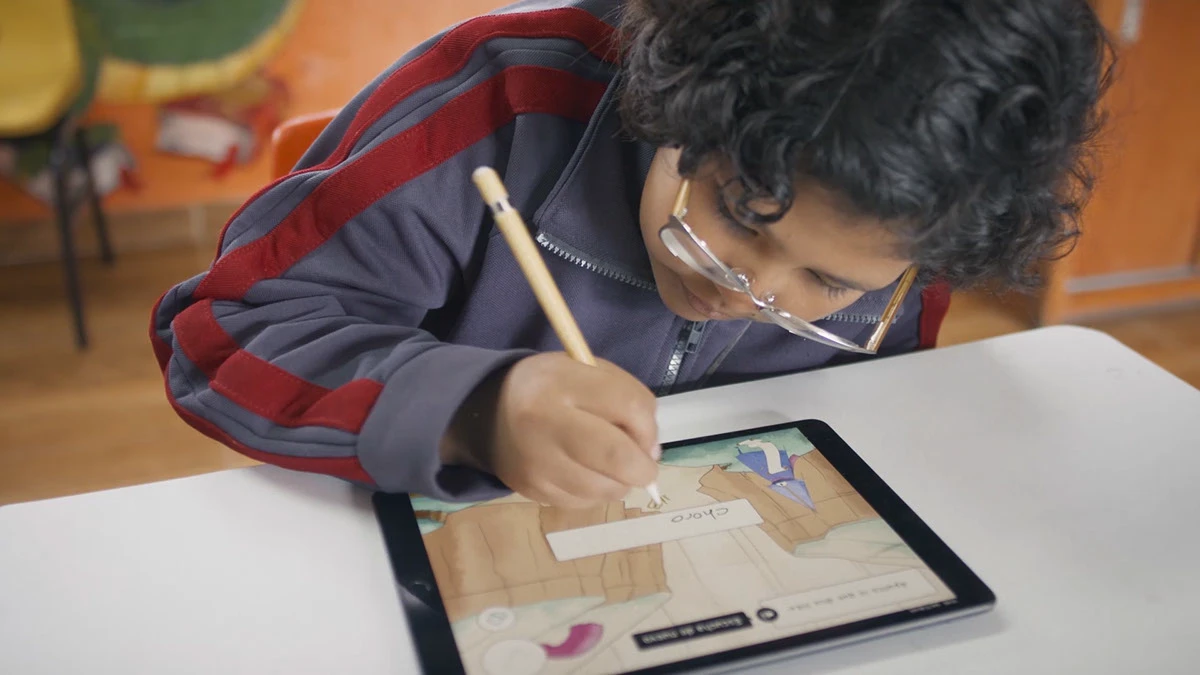
Kiddi World — Pharmaton (2020)
Agency: Monks, VMLY&R · Mechanic: Puzzle · Platform: App
Sanofi's Pharmaton Kiddi brand gave Mexican schools a storybook game for 9 to 12-year-olds: as a pencil called Lapi, the child repairs a world an eraser has scrambled by writing and drawing. A digital pen reads strokes and pressure for possible signs of dyslexia, dysgraphia or colour blindness (ADC Awards 2021), and the school gets a report on whether the child should see a specialist. No public results.
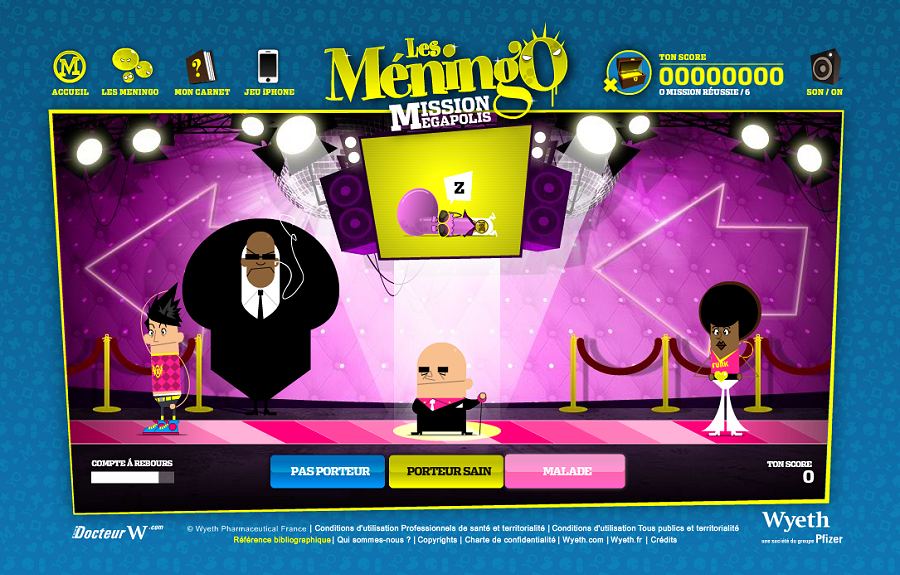
Les Méningo – Mission Megapolis — Wyeth France (2009)
Agency: Makemepulse, ADDICTION Agency, Kroker · Mechanic: Mini-Games · Platform: Web
According to our record, Wyeth's French arm, now part of Pfizer, wanted families to know about meningococcal C disease without directly advertising a prescription vaccine. On its disease-awareness site, six cartoon bacteria, the Méningo family, each guarded an arcade mini-game; every win ended with a plain fact about the disease, and short questionnaires spoke to parents. No public results.
V-Land — Saba (2023)
Agency: Dentsu Creative · Mechanic: Adventure & Quest · Platform: In-game (Roblox)
Essity's Saba built a Roblox theme park around the female reproductive system for children aged 7 to 15 and their parents in Mexico (PRODU, November 2023). Players pick a skin such as a tampon or a uterus, follow a guide called V through rides and races, and read a storybook on how the cycle works. More on that platform in brands on Roblox.
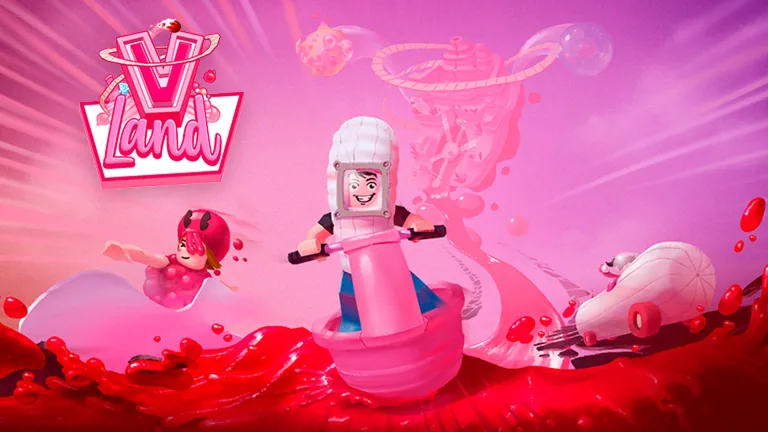
Result: The third-party tracker RoWatcher showed more than 12 million visits and over 56,000 favourites when we checked in October 2026 (RoWatcher).
Toxic Monster — Techniker Krankenkasse (2023)
Agency: Demodern – Creative Technologies · Mechanic: Arcade & Action · Platform: Installation
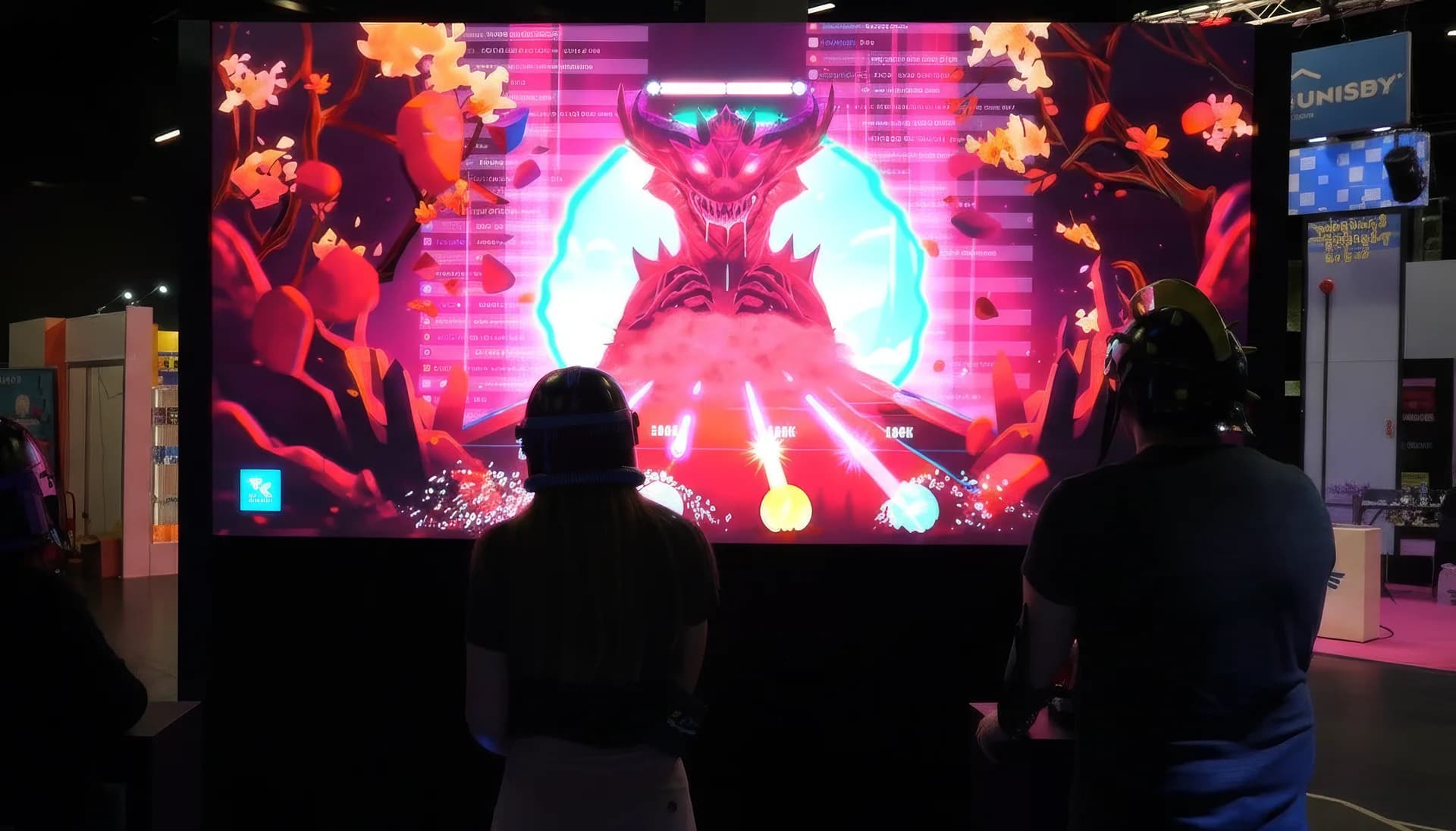
Germany's largest statutory health insurer took a mental-health message about hate speech to gamescom. Four players hit buzzers at an LED wall as a monster fired toxic comments down their lanes; nobody could win alone, and a team win shrank it into a friendly creature. Counsellors from krisenchat were on hand. For more booth play, see the installations collection and our trade show guide.
Result: The stand attracted over 4,000 visitors at gamescom 2023, and teams completed 1,149 rounds (Demodern).
The nine games at a glance
| Game | Brand | Year | What it did | Result |
|---|---|---|---|---|
| Yoobot Vs YooNot | British Heart Foundation | 2008 | Avatar ages with your diet | 1m+ Yoobots; 78% claimed better diets |
| Nightmare: Malaria | Against Malaria Foundation | 2013 | $3 ask at every death | 102,000 players in week one; 40,000 clicks to the charity |
| Tough Cookies | IGA | 2022 | Checkout tattoos open a game | $1.7m+ raised over four editions |
| Eyecatcher | Dynoptic | 2022 | Wink game leads to an eye test | 4+ minutes average play |
| The Mind Guardian | Samsung | 2025 | Memory tests as a city walk | 5,000+ tests; 5% possible risk |
| Kiddi World | Pharmaton | 2020 | School screening by stylus | No public figures |
| Les Méningo | Wyeth France | 2009 | Disease-awareness mini-games | No public figures |
| V-Land | Saba | 2023 | Roblox park about periods | 12m+ visits (RoWatcher, Oct 2026) |
| Toxic Monster | Techniker Krankenkasse | 2023 | Team buzzer game on hate speech | 4,000+ visitors at gamescom 2023 |
What the strongest health campaign games have in common
The health fact is the rule of the game. Yoobot's clock shows diet consequences in days, not decades. Nightmare: Malaria removes the weapon, so the only safe place is under a net, as in life. In The Mind Guardian the test is the play; in Eyecatcher the eyes are the controller.
There is a next step outside the game: give $3, book an eye test, see a specialist. Where it is measured, that link pays: on the day the Danish Cancer Society's December calendar asked about its cancer helpline, 1,872 people visited the helpline's site against about 20 on a typical day (Playable).
They go where the audience already is: Roblox for 7 to 15-year-olds, the social feed for people not planning an eye test, a gaming fair for Gen Z, the supermarket till for families.
When a game is the wrong tool
- Branded prescription products for consumers. If the brand can't accept an unbranded disease game under the rules above, don't commission one.
- No distribution budget. Hearing-aid retailer Audibene's Blackout at Mt. Earverest hid real hearing checks for teenagers inside a Roblox climb, yet its Roblox page showed 1,704 visits when we checked in October 2026 (Roblox). Being on a platform does not bring players by itself.
- When a simpler mechanic does the job. The same Danish Cancer Society calendar asked one quiz question a day and gathered 51,400 leads, 25,000 of them new (Playable). For sign-ups and reach, a light format is fast and cheap; a deeper game earns its cost when you need more time and repeat play.
- When the game starts to diagnose. A game that claims to detect or treat a condition is nearer a medical device, where the bar is clinical evidence.
FAQ
Can you give me an example of gamification in healthcare?
The British Heart Foundation's Yoobot gave 11 to 13-year-olds an avatar that aged three years for every real day, so food choices showed fast. Over a million children created one, and 78% of players in that age group claimed better diets, according to the IPA. A recent one is Samsung's The Mind Guardian, which turns memory tests for over-55s in Spain into a city walk.
What is gamification in healthcare?
Gamification in healthcare is the use of game rules, goals and rewards to change a health behaviour. Clinically, that can be a prescribed therapy such as EndeavorRx. In marketing, it is a campaign game a brand, charity or insurer commissions to raise awareness, prompt a check-up or raise money, like the awareness games in our library. Therapies need clinical evidence; campaign games follow advertising law.
What are some interactive medical games?
Clinically, EndeavorRx was the first game-based therapy the FDA authorised, for children aged 8 to 12 with ADHD, on prescription. In marketing, some campaign games double as screening prompts: Eyecatcher was played by winking and led to a free eye test, and Kiddi World looks for signs of dyslexia, dysgraphia or colour blindness through a stylus story. Neither replaces a diagnosis.
Which health games have the best results?
Among campaign games with published figures, Yoobot (over a million Yoobots created, IPA Silver 2009), Tough Cookies (more than $1.7 million raised over four editions, according to the agency) and Nightmare: Malaria (102,000 players in its first week, by the team's count) stand out. Each tied play to one action: eat differently, buy a tattoo, give $3.
Browse more awareness games and in-game worlds, or send us a health game we have missed.