




Gamification in banking and fintech covers two things: game mechanics built into an app, such as streaks, badges and savings goals, and campaign games a bank or fintech commissions to launch a product, drive account openings or teach money skills. This guide covers the second kind: ten games from banks, fintechs and insurers, and what each one achieved.
All ten come from the finance shelf of our library of more than 1,000 campaign games, each with real rules and a result we could trace to a published page. Award-entry and agency figures are flagged. For campaigns from other sectors, see our playable marketing examples.
What does gamification in banking mean?
Most articles on the subject describe product features: a progress bar on a savings pot, a badge for a first direct debit, referral points. They live inside the app.
A campaign game has a start, an end and a brief: launch a feature, sell a card, correct a myth. Features are judged on retention; campaigns on reach, sign-ups and sales in a set window. The two can meet: Real Life With Virtual Wallet for PNC (2011) was an iPad ad played like a board game, where each money problem was solved with the account's own tools.
Bank and fintech gamification examples with results
Where's My Wallet? — CommBank (2014)
Agency: M&C Saatchi · Mechanic: Puzzle · Platform: Web
CommBank needed Australians to understand Cardless Cash: ATM withdrawals with only a phone. The game hid wallets in a 125-gigapixel panorama of Sydney (B&T). Players panned and zoomed street by street; ten wallets worth $200 each went live every morning, with clues on Facebook. A find sent a code to your phone, redeemable at a CommBank ATM through Cardless Cash. The prize was the product demo.
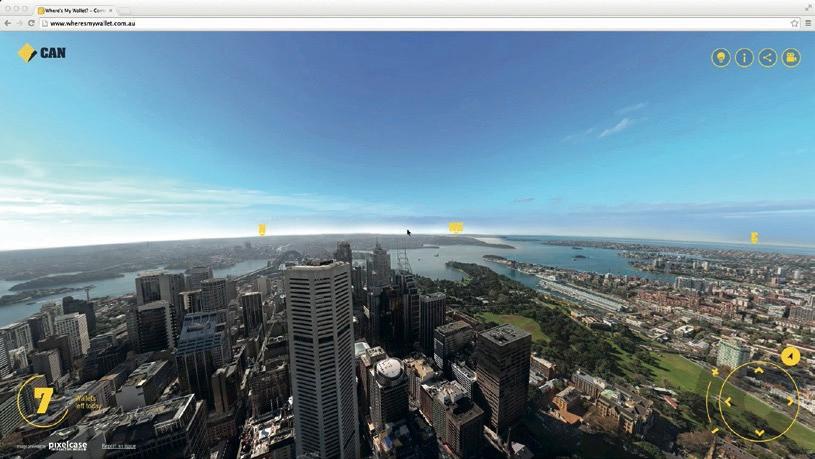
Result: According to the awards entry, 43,000 people played over 10 days, unique visitors averaged 12 minutes in the game, and daily visits to the product page rose 117%. The same entry claims the campaign resulted in more than 420,000 Cardless Cash transactions in the first few months (Spikes Asia).
My Majlis — Standard Chartered (2011)
Agency: TBWA (TBWA\RAAD, Dubai) · Mechanic: Simulation & Strategy · Platform: Social
Ramadan in the UAE is crowded with bank advertising. Standard Chartered built a social game instead: you furnished an empty majlis tent with rugs, lanterns and food, paying with Standard Chartered credit cards inside the game, then invited friends to visit. The majlis with the most guests and best ratings won a real prize.
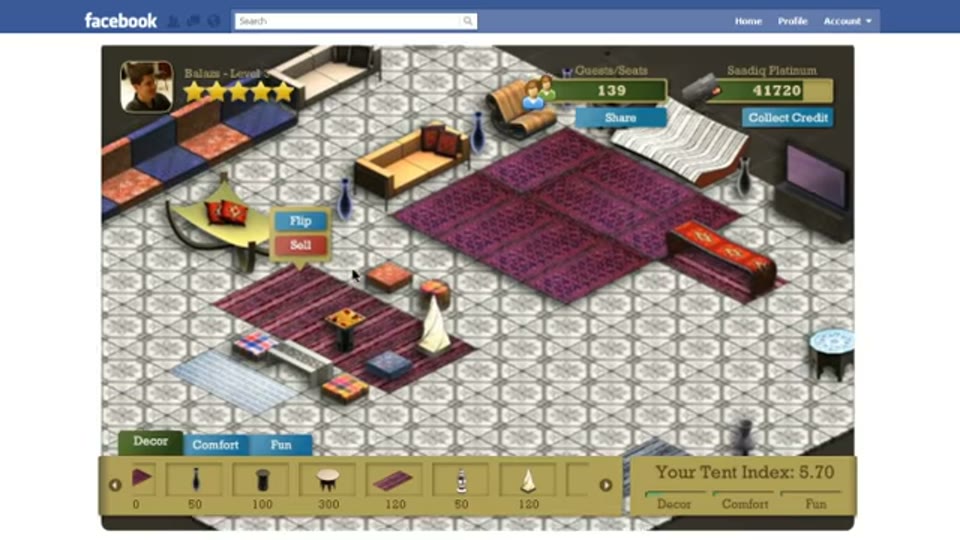
Result: More than 15,277 players in four weeks, averaging over 7 minutes per visit; the top majlis drew 2,006 guests and won an Eid getaway weekend (Ads of the World).
The Big Save — Ally Bank (2018)
Agency: Jamie Shin · Mechanic: Arcade & Action · Platform: App
Ally did not buy a Super Bowl spot; it turned other brands' ad breaks into the game. You downloaded the app and typed in what you were saving for. In each commercial break of Super Bowl LII, the camera showed dollar bills raining into your living room, and you swiped them into a piggy bank. Your best score and a note about your goal went in for a chance to win cash towards that goal.

Result: 69,000 app downloads, an average of 24,000 active players per commercial break and 31,000 contest submissions (American Banker).
Ally Island — Ally Bank (2020)
Agency: Anomaly, Monks · Mechanic: Mini-Games · Platform: In-Game
In October 2020 Ally opened an island in Animal Crossing: New Horizons. Players took an entry code from the landing page and queued, as the island held eight people at a time. Ally employees walked around in character. The draw was the turnip stand, which paid 1,000 bells a turnip; players bought them for roughly 100 bells on Sundays (American Banker).

Result: At one point 125,000 players visited the landing page, and KangGaming's launch stream was the eighth-most-watched on Twitch that evening (American Banker). An awards case study for the Smarties says account openings rose by more than 300% (ANA).
The MythBuster Challenge — Klarna (2021)
Agency: Makemepulse · Mechanic: Quiz & Trivia · Platform: Installation
Klarna's UK problem was misinformation, not awareness. Seven murals by the artist Ignasi Monreal, each built on one common myth about the brand, carried a QR code into a digital gallery. Inside each painting you hunted for the hidden detail that disproved the myth; clearing all seven entered a prize draw.
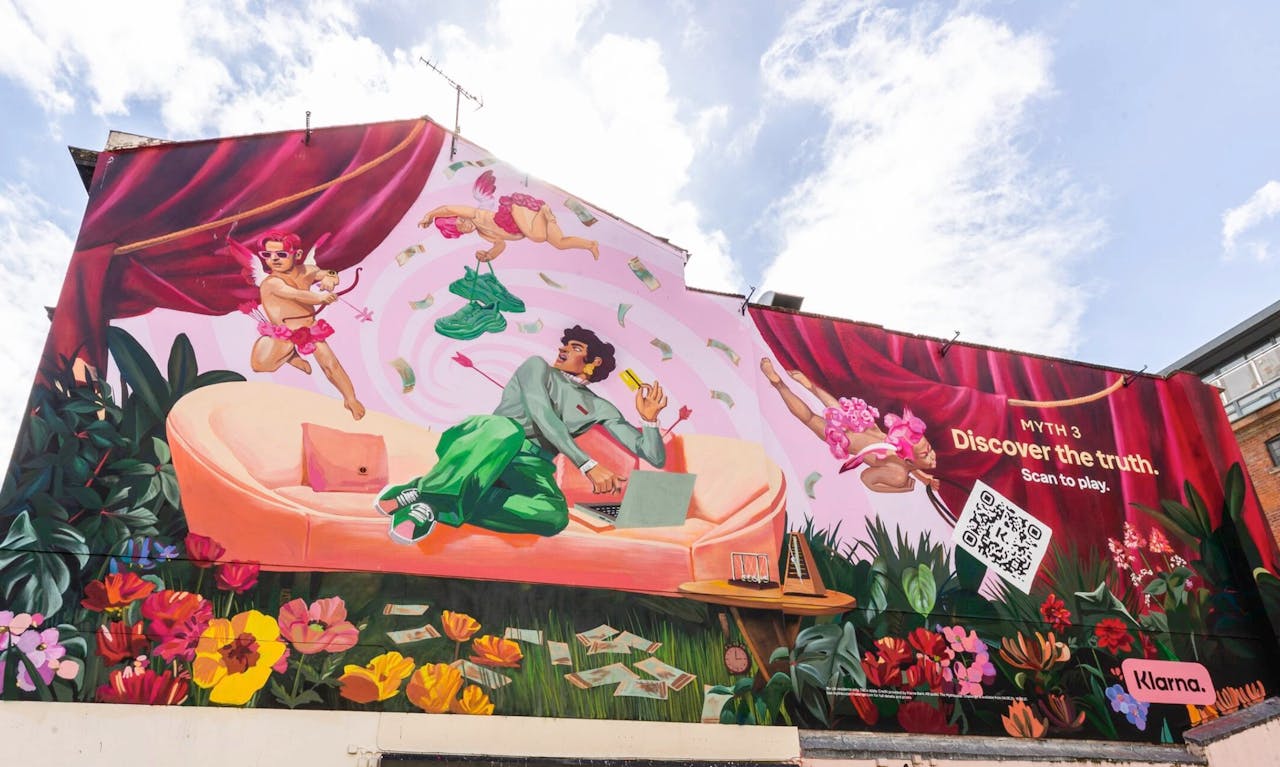
Result: Over four weeks in May 2021, the gallery drew more than 160,000 visits, and 45,000 people dispelled all seven myths. Brand trust rose from 58% to 67%, and Klarna app monthly active users grew 7.3% between May and July 2021, according to the awards case study (The Drum).
One World, One Dollar — SukuPay (2024)
Agency: /nk.studio · Mechanic: Simulation & Strategy · Platform: App
A launch game for an app that sends money abroad with just a phone number. Each team got one dollar in USDC to pass from contact to contact across borders. It could not be split or left idle, and teams raced for the most countries. Prizes went up to $45,000 (PRWeb). Every move was a real transfer, so playing was onboarding.
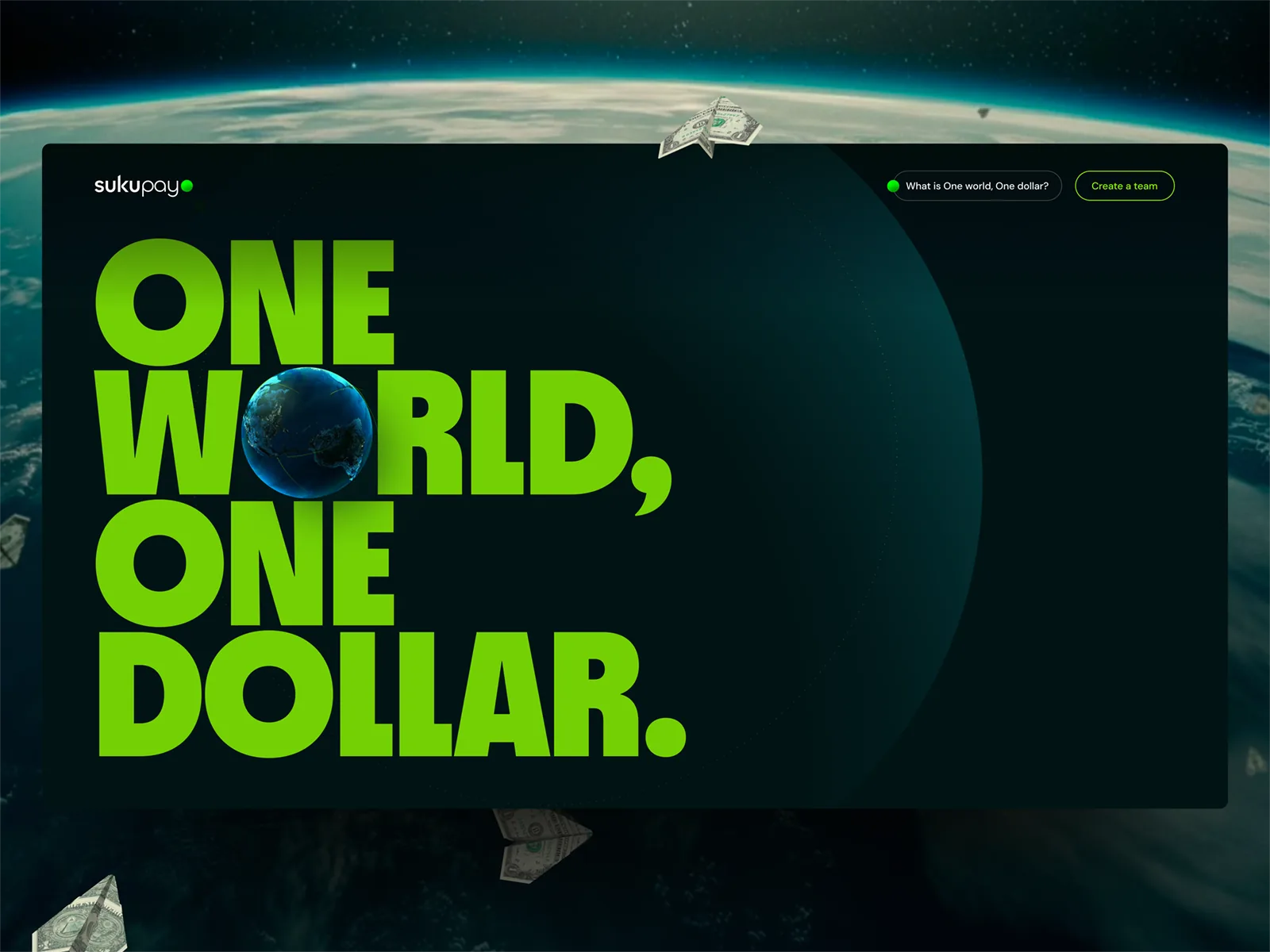
Result: 4,520 players across 100 countries, with the dollar travelling 18,140,369 km in total, by Suku's own count (Suku).
How do insurers use campaign games?
The three insurer games below build risk, or the policy purchase itself, into the rules.
Skyman — Legal & General (2013)
Agency: Playerthree · Mechanic: Simulation & Strategy · Platform: App
You played a stuntman working a 20-day airshow season. Every jump paid, and you decided where the money went: better gear flew you further at more risk, while armour, a stunt double or life cover protected your earnings but held you back. Branding was light; the lesson sat in the scoring.

Result: Released on 10 March 2013, it became the No.1 overall iPad app in the UK within a week and passed 1 million plays across all platforms, according to the studio (Playerthree).
MATTA Fair Slam Dunk — Generali (2023)
Agency: Drimify · Mechanic: Racing & Sports · Platform: Web
Generali Malaysia reversed the usual promotion: you bought travel insurance first, then the basketball game opened. Players shot free throws for a leaderboard, and the top 10 players between 28 August and 6 October 2023 won prizes (Generali). The game was simple; the purchase gate did the work.
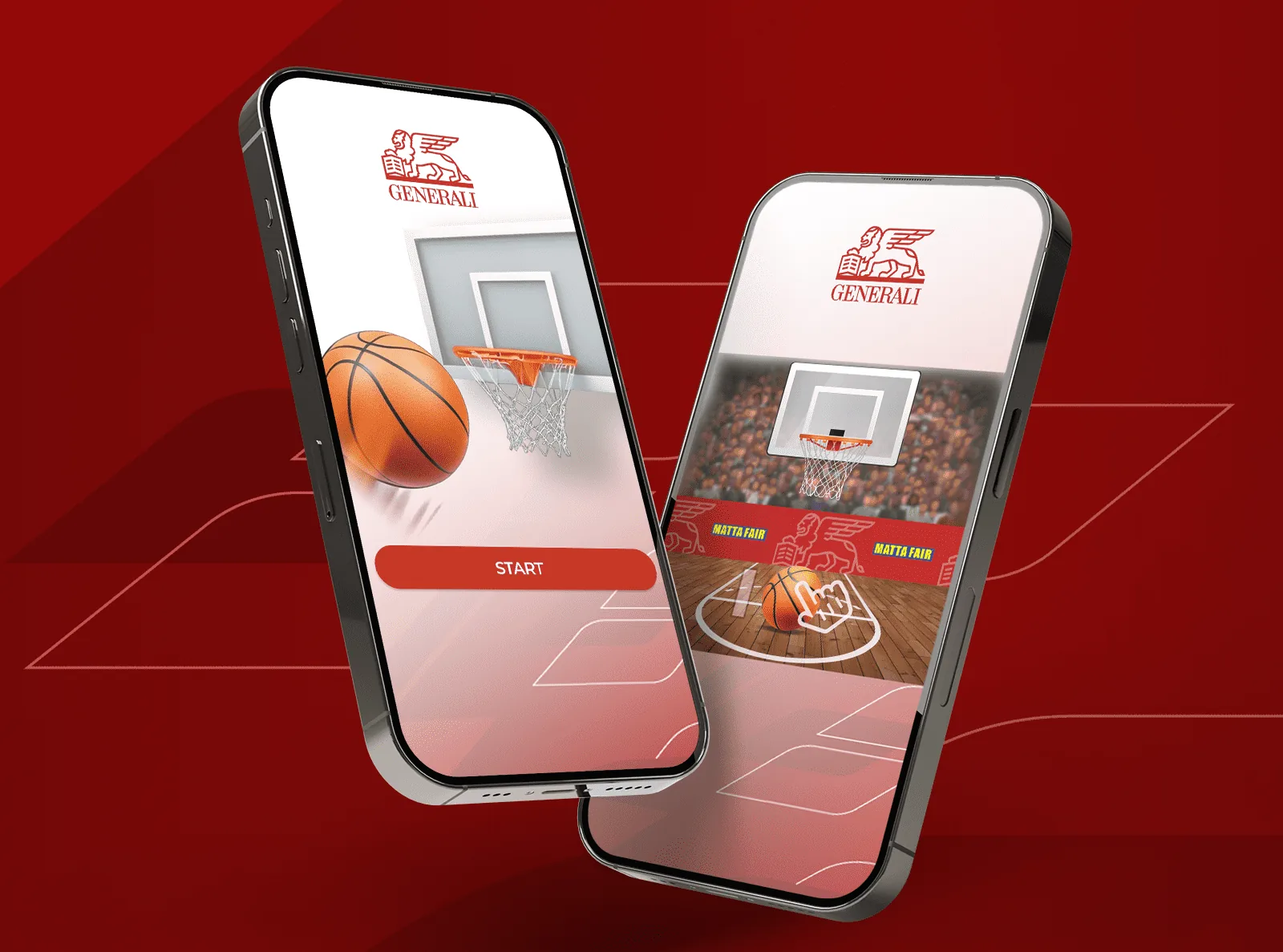
Result: 4,360 participations by qualified customers and more than 1,000 new travel insurance policies sold as the entry condition, per the platform's case study, which also claims an undefined 118% engagement rate (Drimify).
Climate Warriors — NRMA Insurance (2021)
Agency: Thinkerbell · Mechanic: Simulation & Strategy · Platform: In-Game
After the 2019/20 bushfires, NRMA Insurance built a free Minecraft world for children aged 7 to 12, with a lesson plan for teachers. Players prepared a coastal town for a fire, acted during it with drills based on the Black Saturday bushfires, such as fitting rooftop sprinklers and flying helicopter rescues, then rebuilt (Campaign Brief).
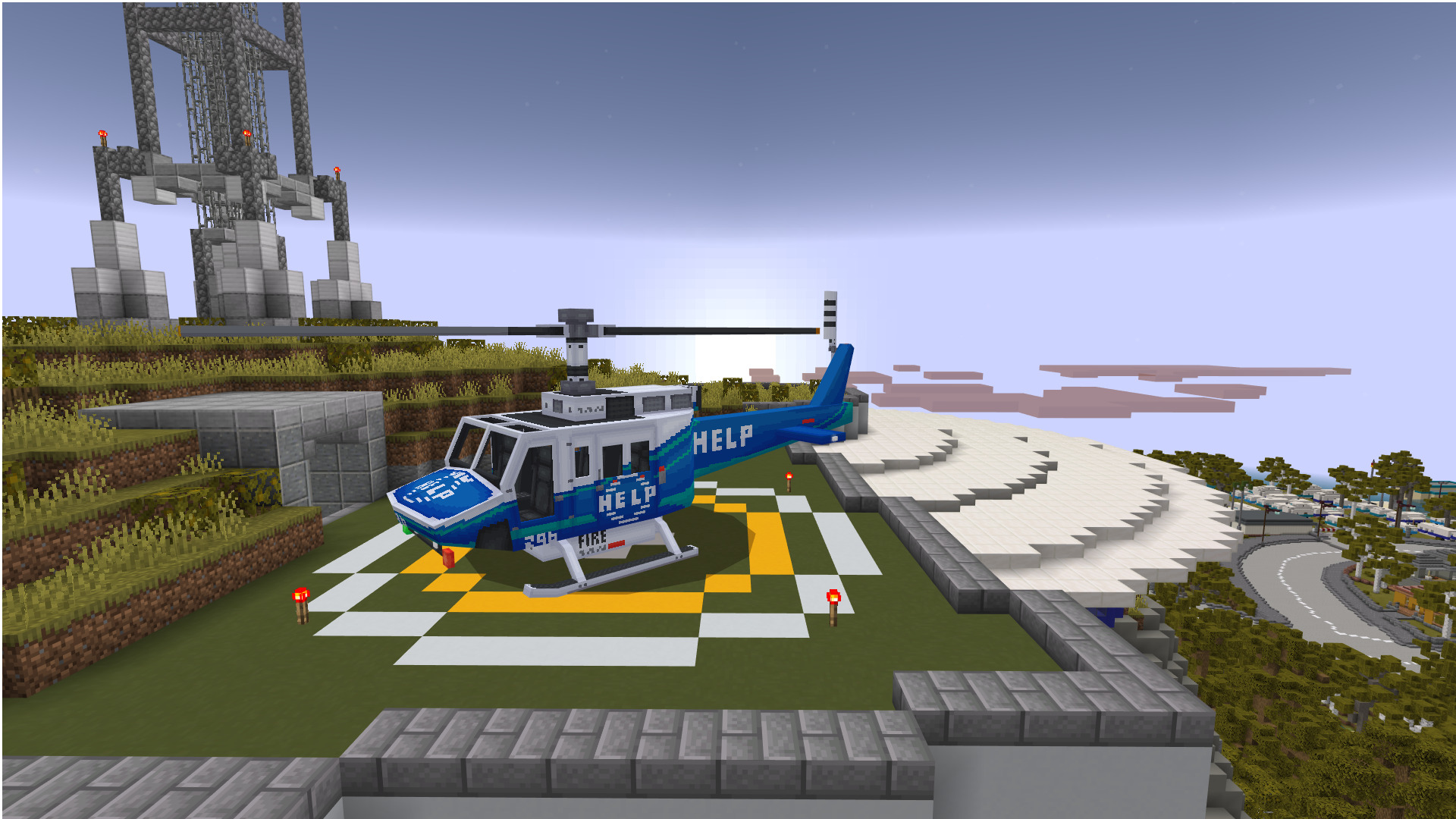
Result: Downloaded over 450,000 times by the time trade press covered the launch on 28 April 2021 (Campaign Brief).
Banking games for kids and financial literacy
Many people searching "banking game" want a classroom money game. These are education programmes, measured in students and schools, not accounts.
Prosperity Quest — Intuit (2024)
Agency: Monks · Mechanic: Simulation & Strategy · Platform: Web
Students lived a simplified month in the browser: taking jobs, paying bills, then saving, investing or spending what was left to hit a target such as a credit score. Teachers ran it from a dashboard, and it carried Intuit's goal of helping 50 million students become more financially literate, capable and confident by 2030 (PYMNTS).
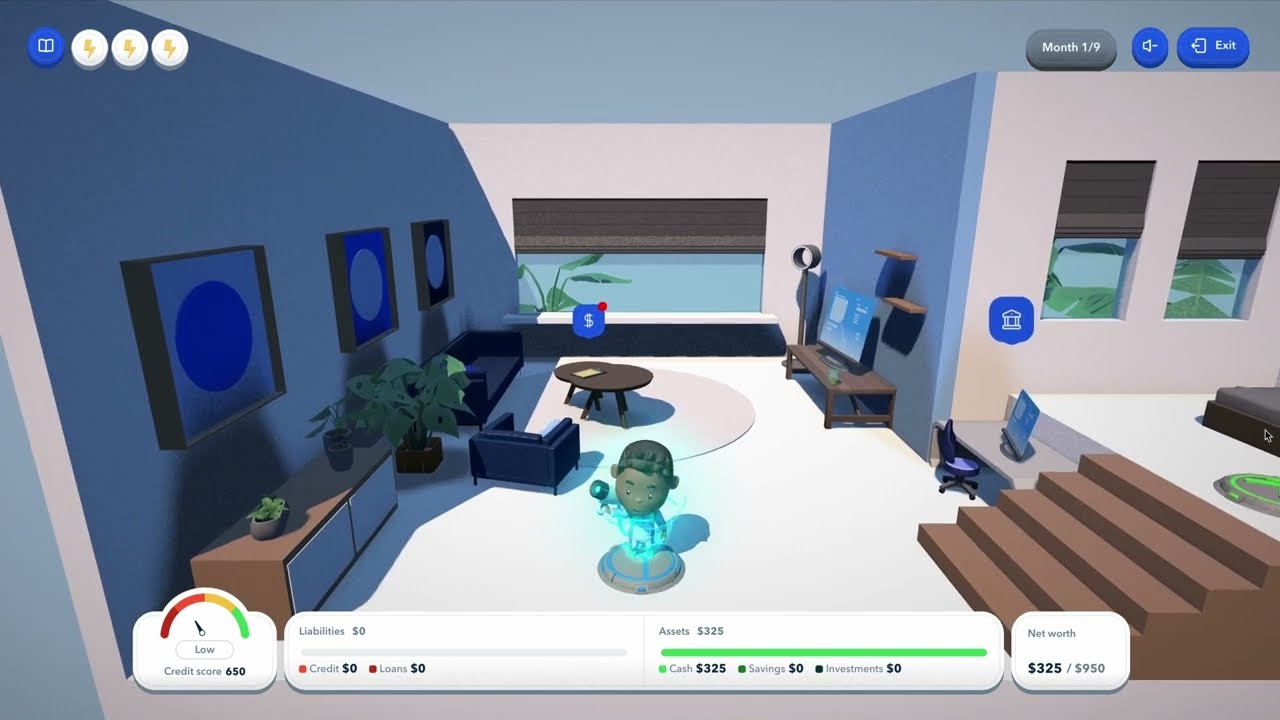
Result: In the first Hour of Finance Challenge, more than 26,000 students from 274 schools took part, with nearly 2,000 playing on Tax Day, 15 April (Intuit).
Two 2025 games widen the field. Neohaven Noodles, by Preloaded for the UK's National Citizen Service, gave teenagers a noodle shop to run for ten in-game days (Decision Marketing), with a loan shark waiting when cash ran short. Gary and the Endless Forest, by Merci-Michel for the French mutual insurer Garance, lets you spend berries on a boost for one climb or a tree that changes every future climb. It can still be played.
Summary: ten finance campaign games at a glance
| Game | Brand | Year | What it did | Result |
|---|---|---|---|---|
| Where's My Wallet? | CommBank | 2014 | Launched Cardless Cash | 43,000 players in 10 days |
| My Majlis | Standard Chartered | 2011 | Pitched credit cards during Ramadan | 15,277+ players in four weeks |
| The Big Save | Ally Bank | 2018 | Super Bowl savings game | 69,000 app downloads |
| Ally Island | Ally Bank | 2020 | Bank island in Animal Crossing | 125,000 landing-page visitors |
| The MythBuster Challenge | Klarna | 2021 | Busted seven brand myths | Trust from 58% to 67% |
| One World, One Dollar | SukuPay | 2024 | Launched a payments app | 4,520 players, 100 countries |
| Skyman | Legal & General | 2013 | Made cover the scoring rule | No.1 UK iPad app (studio) |
| MATTA Fair Slam Dunk | Generali | 2023 | Game after a policy purchase | 1,000+ policies sold |
| Climate Warriors | NRMA Insurance | 2021 | Bushfire preparedness | 450,000+ downloads by 28 April 2021 |
| Prosperity Quest | Intuit | 2024 | School finance challenge | 26,000+ students |
What the strongest examples have in common
The product is the mechanic. CommBank's prize could only be collected through Cardless Cash. Standard Chartered's card paid for the majlis. SukuPay's dollar moved only through the app. Skyman's score depended on buying cover at the right time.
They borrow an audience already gathered. Ramadan, Super Bowl breaks, Animal Crossing in 2020, Malaysia's biggest travel fair, Minecraft classrooms.
They report a business number. Product page visits, account openings, policies sold, a trust score: figures from the brand's own funnel, not only plays. That is rarer than it should be: only 98 of the library's 1,089 games mention sales or redemption, as our playable marketing statistics show.
They run short. Ten days, four weeks, one night of ad breaks. A fixed end gives people a reason to play now.
When is a game the wrong tool for a bank?
When the mechanic rewards behaviour you should not push. In the UK a firm must ensure a financial promotion is "fair, clear and not misleading" (FCA Handbook, COBS 4.2.1R). In June 2024 the FCA reported an online experiment with over 9,000 consumers: engagement practices in trading apps, among them points with a prize draw and push notifications, can raise trading frequency and risk-taking (FCA). A game that rewards borrowing or trading more invites the same scrutiny; saving, learning and trying a feature are safer goals.
When a simpler mechanic does the job. If the goal is opt-ins and plain answers about cover, a bespoke build can be overkill. Alka Insurance's 2024 Christmas calendar told a short story each day and asked whether the mishap was covered; it drew more than 1.3 million sessions and more than 1.2 million registrations, according to the platform that built it (Playable). Quiz campaigns like this are strong on reach and data capture; deeper games earn their cost when the goal needs time and repeat play. Our Christmas games guide covers seasonal calendars.
When there is no distribution. Ally Island had a Twitch launch; Klarna had seven murals. A finance microsite with no media behind it reaches only existing customers.
When the audience is children. Keep the product out. Prosperity Quest and Neohaven Noodles teach money without selling an account.
FAQ
What are examples of gamification in banking?
Campaign examples with published results include CommBank's Where's My Wallet?, a wallet hunt that launched Cardless Cash and drew 43,000 players in 10 days, per its awards entry; Ally Island in Animal Crossing; and Klarna's MythBuster Challenge, after which brand trust rose from 58% to 67%, according to its awards case study. Inside apps, the usual examples are savings goals, badges and referral points.
What are the main types of gamification in banking?
In practice we see four: product mechanics inside the app (streaks, badges, goals); campaign games with a fixed run and a business target, such as The Big Save; financial-education games for schools, such as Prosperity Quest; and employer-brand games, such as Groupe BPCE's recruitment path. Our recruitment games guide covers the last type.
What is a banking game?
Usually a money-management game for students: you earn, spend and decide what to save or borrow, as in Intuit's Prosperity Quest or Neohaven Noodles. It can also mean a bank's campaign game, such as Standard Chartered's Ramadan My Majlis. The first is judged on learning, the second on customers.
Is gamification in financial services regulated?
The promotions around it are. In the UK a financial promotion must be fair, clear and not misleading under the FCA's COBS 4.2.1R, and a June 2024 FCA experiment found that engagement practices in trading apps, including points with a prize draw, can raise trading frequency and risk-taking. Reward saving, learning or trying a feature, not spending or trading.
Browse more finance games and in-game worlds, or send us a bank or insurer campaign we missed.