


In-game advertising is paid media placed inside games that other companies own: billboards in the game world, video breaks, rewarded ads. Playable ads are short interactive ad units, mostly bought to drive app installs. An advergame is a game the brand owns. This guide sets six formats side by side, with real campaigns and sourced results.
The campaigns below come from our library of more than 1,000 brand-commissioned games: cases where a brand built play instead of renting space. Every result quoted traces to a case study, award entry or trade press. Ad units mostly sit outside the library, so for those we rely on IAB, Google, Meta and Roblox documentation.
The six formats at a glance
- AdvergameA game the brand commissions and owns
- GamificationGame design elements in non-game contexts
- Brand worldAn advergame on someone else’s platform
- In-game advertisingPaid media in games other companies own
- Playable adsShort interactive ad units, mostly for installs
Not placed: in-game collabs and mods, which live inside another game but split ownership (the publisher’s game, the brand’s content).
| Format | Who owns it | Where it lives | What you pay for | Typical KPI |
|---|---|---|---|---|
| In-game advertising | The publisher sells the space | Billboards, video and rewarded slots | Impressions and views | Viewable impressions, brand lift |
| Playable ads | Ad platforms sell the slot | Ad slots in apps and social feeds | Engagements | Installs, cost per engagement |
| Advergame | The brand | Web, app stores, console, Steam | Development and distribution | Plays, time spent, codes, sales |
| Brand world | The brand builds it; the platform sets the rules | Roblox experiences, Fortnite islands, Minecraft maps | Development, updates, creators | Visits, session length, brand lift |
| In-game collab or mod | The publisher's game, the brand's content | Skins, items, modes or mods | A licence, or only production if the game's tools allow | Earned media, sales |
| Gamification | The brand | Loyalty apps, websites, products | Software and rewards | Repeat visits, redemptions |
What is in-game advertising?
IAB's 2022 in-game measurement guidelines name four kinds: dynamic ads on virtual objects such as billboards and posters, in-game video ads served by an ad server, static ads that cannot change once served, and hardcoded ad objects that no ad server delivers (IAB). IAB groups these under "intrinsic" in-game advertising: ads that sit in the scene, like trackside hoardings. The guidelines cover delivery and viewability, not outcomes, which sums up what you buy: being seen.
Rewarded ads are the opt-in version. Google describes them as ads a user explicitly chooses to view in exchange for something like an extra life or in-app currency (Google AdMob). Roblox announced Rewarded Video on 1 April 2025: opt-in, full-screen videos of up to 30 seconds that brands can buy programmatically through Google, with early tests showing average completion above 80% (Roblox). In every case the brand rents attention inside play it doesn't own.
What are playable ads?
A playable ad puts a short burst of interaction inside an ad slot. As Meta's developer blog put it in August 2019, playable ads let potential customers preview a mobile app before downloading it (Meta for Developers). Google's App campaigns accept HTML5/Playable assets, charge for them per engagement and count an engagement at the first interaction or click (Google Ads Help). Installs remain the job.
One example from the library: in November 2019 AliveNow built a Facebook playable for Oreo's Cadbury-dipped biscuits in India, where you tapped to fire chocolate cannonballs at a bare Oreo (Ads of the World). The case lists no results.
Advergames: games the brand owns
An advergame, or campaign game, is a game a brand commissions for a business goal and owns. Nobody sells it an audience; it must find its own players. The format predates most ad platforms, as our history of advergames shows.
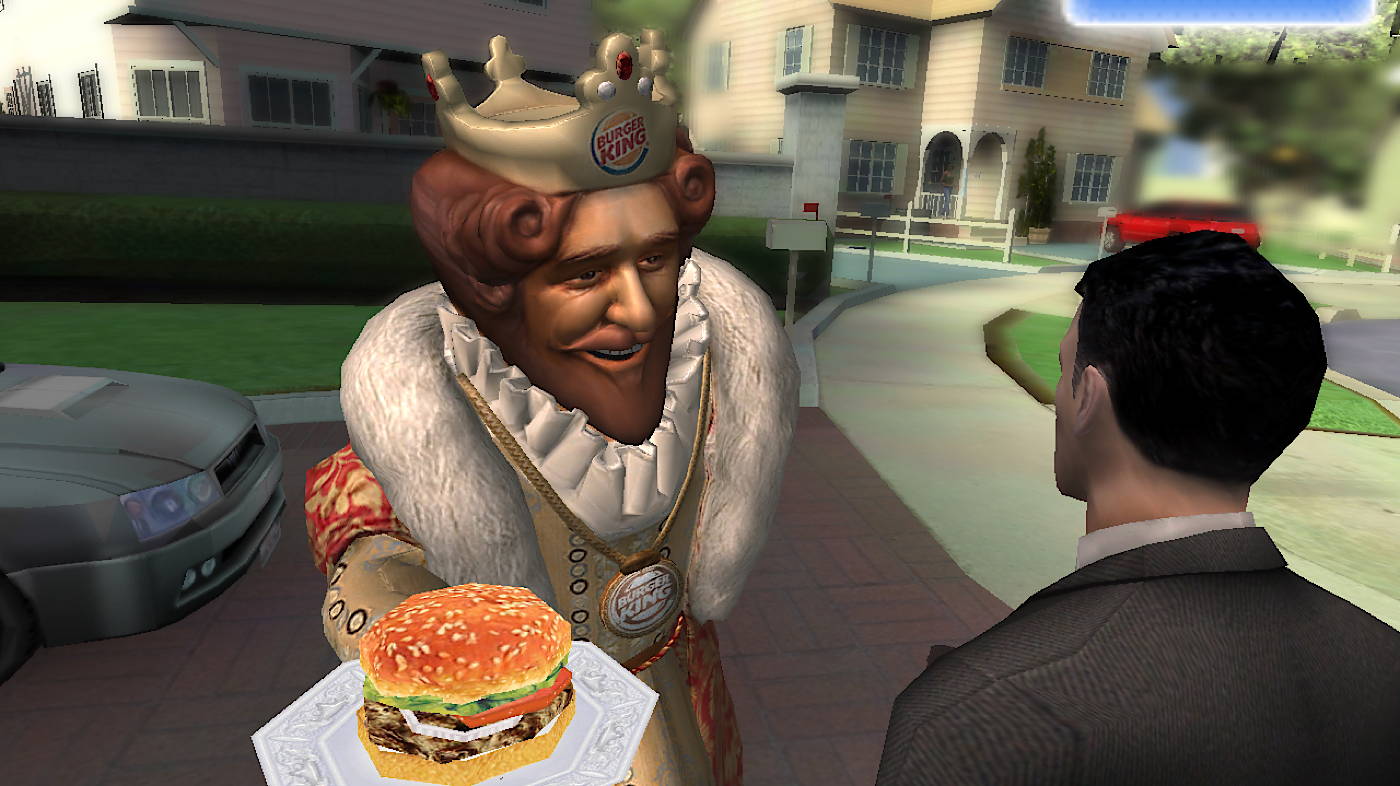
Sneak King / PocketBike Racer / Big Bumpin' — Burger King (2006)
Developer: Blitz Games · Mechanic: Arcade & action · Platform: Xbox and Xbox 360
You bought a value meal, paid an extra $3.99 and took a disc home (Game Developer). Sneak King had you creeping up on people to hand them a burger unseen; the other two were a mini-bike racer and a bumper-car brawler. All three were built from the chain's TV ads. Burger King used its restaurants as the shop.
Result: 2.5 million copies sold in the first five weeks, a figure EGM attributes to a 2007 Ad Age report (EGM).
What are brand worlds on Roblox and Fortnite?
A brand world is an advergame on someone else's platform. The brand owns the build; the platform owns the audience and the rules, and those rules bite. In May 2023 the US Children's Advertising Review Unit found Roblox did not adequately tell children when experiences contained advertising; Roblox said new Advertising Standards would end advertising to under-13s from 15 June 2023 (BBB National Programs). In June 2026 it announced it would start selling ads to under-13s on narrow terms: direct deals only, no rewarded video and every ad labelled (AdExchanger). For platform detail, see our guides to brands on Roblox and brands in Fortnite.
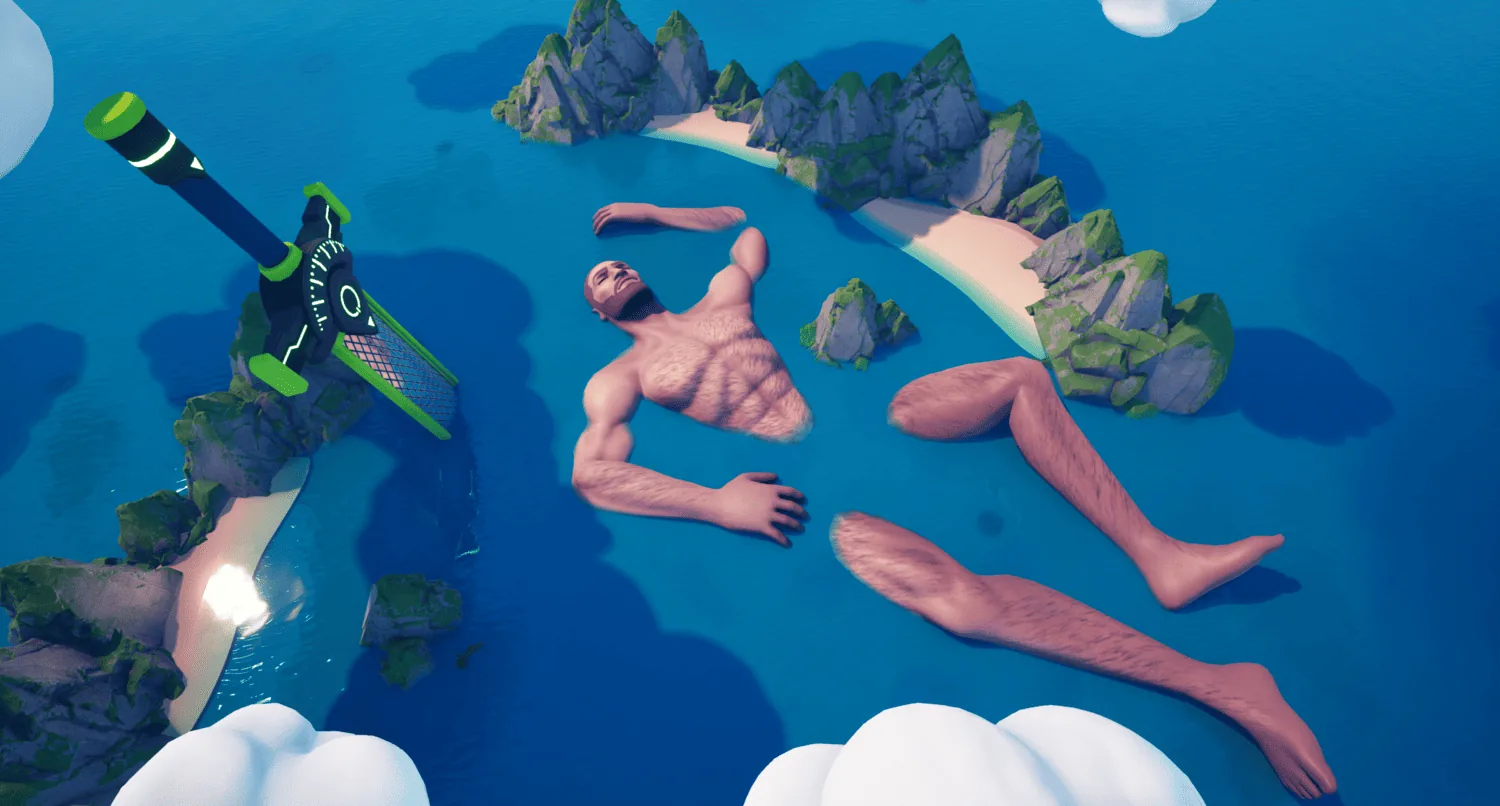
Body Royale — Philips (2025)
Agency: The Gang · Mechanic: Arcade & action · Platform: Fortnite
Only 11% of men aged 18–30 in Western Europe used the OneBlade razor (The Drum). Rather than buy ad space around battle royale games, Philips built its own match: an island shaped like a giant hairy body, with a blade modelled on the razor as your main tool. Shaving restores health, uncovers shields and clears sightlines; thick hair works as cover; the last player standing wins. Development took under three months, from 13 March 2025 to a first full launch at TwitchCon Rotterdam on 1 June (The Gang).
Result: Awareness reached 81% against a 74% target, and sales among men 18–30 rose 28% year on year over the campaign period, according to the award write-up, which credits Ketchum UK and Fuse (The Drum).
Burrito Builder — Chipotle (2022)
Mechanic: Simulation & strategy · Platform: Roblox
Launched for National Burrito Day in April 2022, it puts you behind the counter of Chipotle's first restaurant in 1993. Drag ingredients onto a moving tortilla, fold it before the timer runs out and earn Burrito Bucks; the first 100,000 players to roll burritos earned enough for a real entrée code (Marketing Dive). It is still live and playable, though the 2022 code offer has ended.
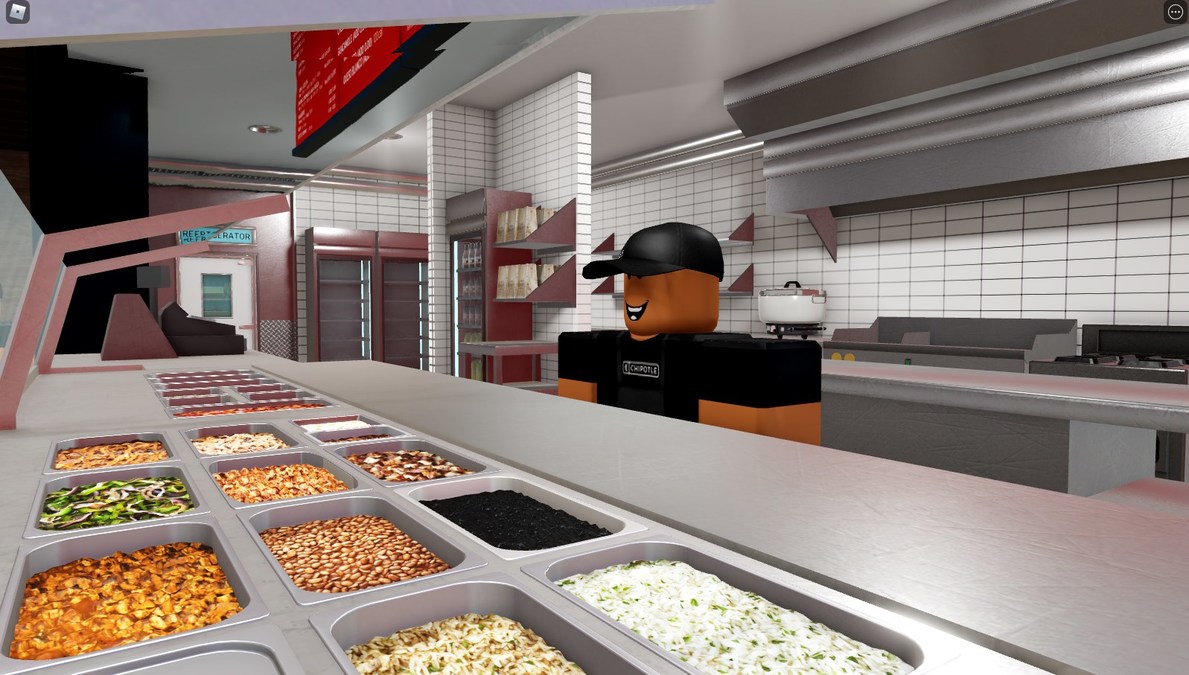
Result: The 100,000 codes went within 30 minutes (Metakey), and the Rolimons tracker logs a launch-day peak of 25,918 players at once (Rolimons). In a 2025 event in the same experience, all 50,000 free-entrée codes were claimed on the first day, says partner Super League (Super League).
The Co-Worker — IKEA (2024)
Agency: Mother, The Gang · Mechanic: Simulation & strategy · Platform: Roblox
A full IKEA store rebuilt on Roblox: pick a department, clock in, clear mini-games based on real co-worker tasks and earn XP towards promotion. IKEA UK & Ireland also opened 10 paid roles for players at £13.15 an hour, its London co-worker rate, with a two-week application window from 3 June 2024 (IKEA).
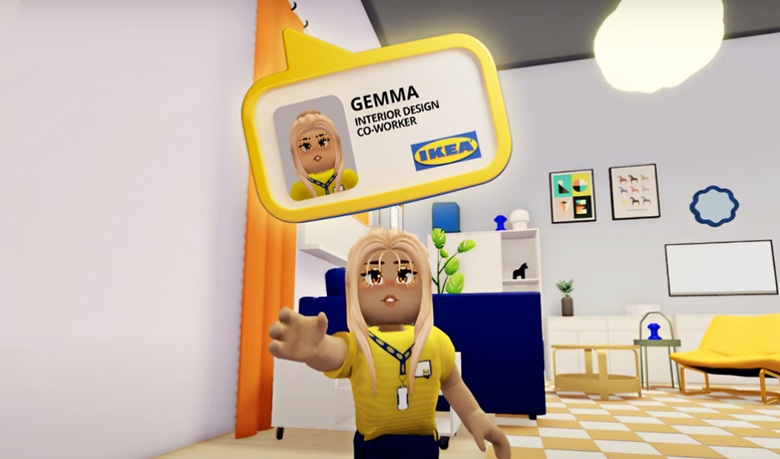
Result: Over 178,000 applications for the 10 roles (IKEA), and a 50% rise in real store applications in the May–June hiring period, according to the agency (The Gang).
In-game collabs and mods: borrowing a game
Here the game belongs to a publisher and the content to the brand. Official skins and modes usually mean a licence deal; these two used tools the game gives every player.
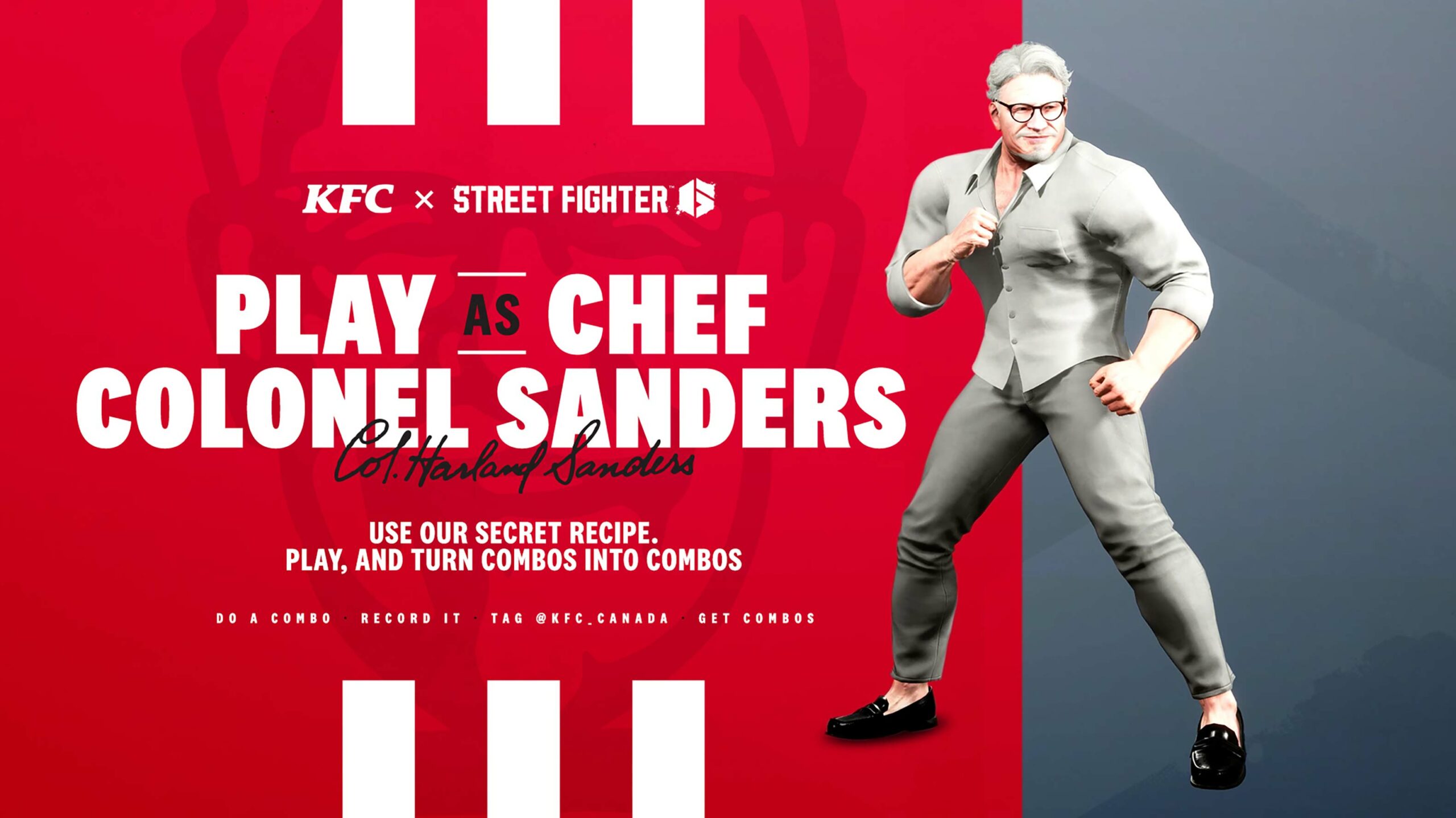
Chef Colonel Sanders In Street Fighter 6 — KFC (2023)
Agency: Courage · Mechanic: Arcade & action · Platform: Street Fighter 6
Street Fighter 6 lets anyone build a fighter and share it as a code. An official partnership could have been costly, Contagious notes, so KFC Canada built the Colonel with that player tool and published the code. You loaded it, fought as the Colonel, recorded a combo and tagged @KFC_Canada for a chance at a CA$50 gift card (Contagious).
Result: Over $16 million in earned media value and an 8% lift in sales, according to the ADC award entry (The One Club). KFC's other games, from a Steam dating sim to an app arcade, are in our KFC dating sim case study.
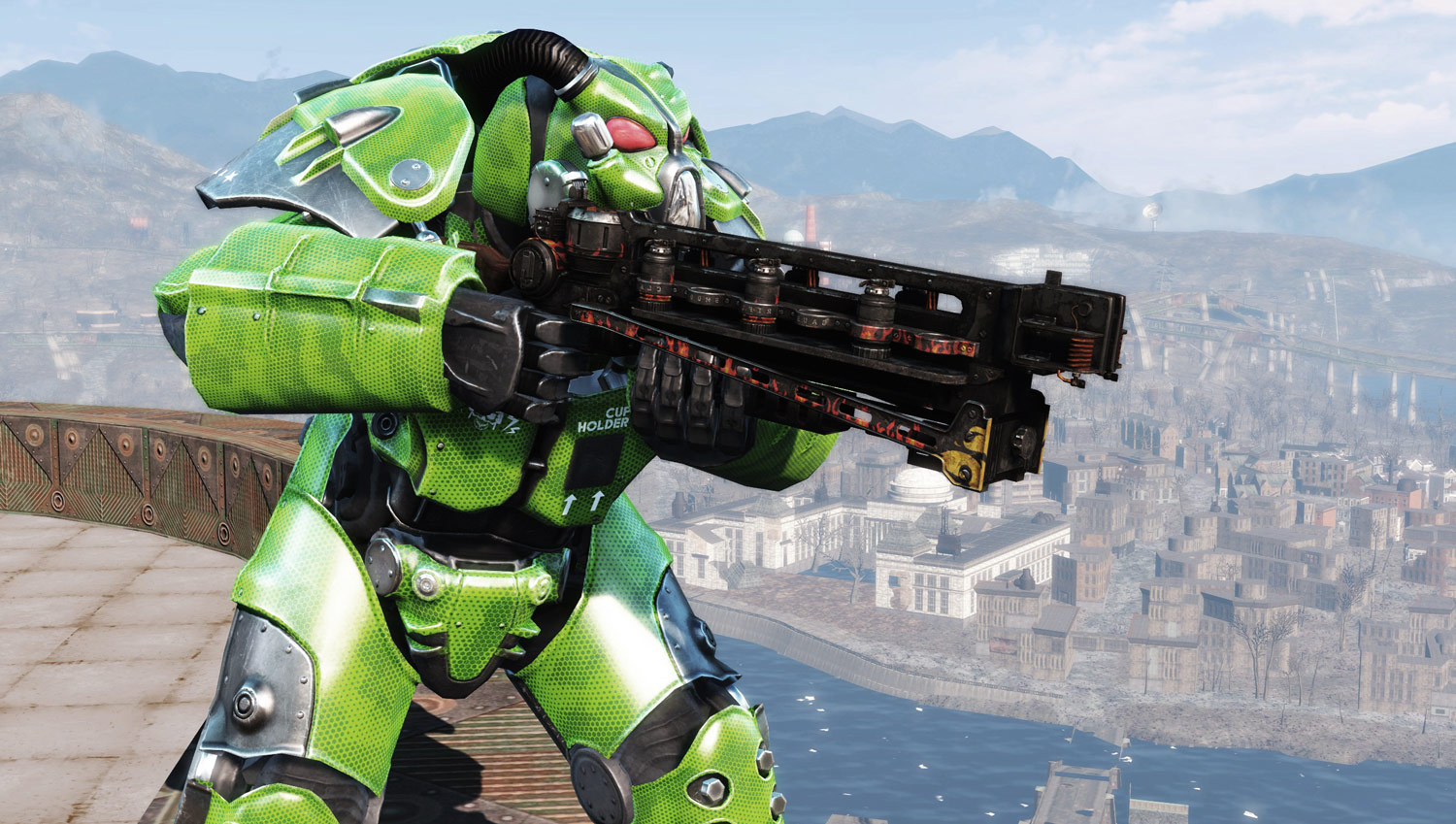
Wasteland With A V — V Energy Drink (2018)
Agency: TKT Sydney · Mechanic: Arcade & action · Platform: Fallout 4 mod
A free mod for Fallout 4: vending machines stocked with cans of V that give your character a boost, then a new questline with weapons and a V-branded power suit. TKT built it with Bethesda's Creation Kit (B&T). V Energy didn't buy space in the game; it made content players chose to install.
Result: In its first week on Xbox One the mod had a five-star rating from more than 70 reviews and 20,000 installs (B&T).
Gamification vs game-based marketing
Deterding and colleagues defined gamification in 2011 as "the use of game design elements in non-game contexts" (ITU Copenhagen): points, badges and streaks on something that is not a game. It shapes habits around a product; a campaign game gives people something new to play. Banks face the same split between app features and campaigns, as our guide to gamification in banking shows.
Rewards Arcade — KFC (2022)
Agency: Rapp · Mechanic: Arcade & action · Platform: KFC app
KFC UK & Ireland replaced a stamp card with an arcade in its app. An order over £3 (€5 in Ireland), placed in the app or after scanning its QR code before paying, earns a play of Hammer Time: pick one of three hammers, swing, and ring the bell for a prize, up to two plays a day (Antavo).
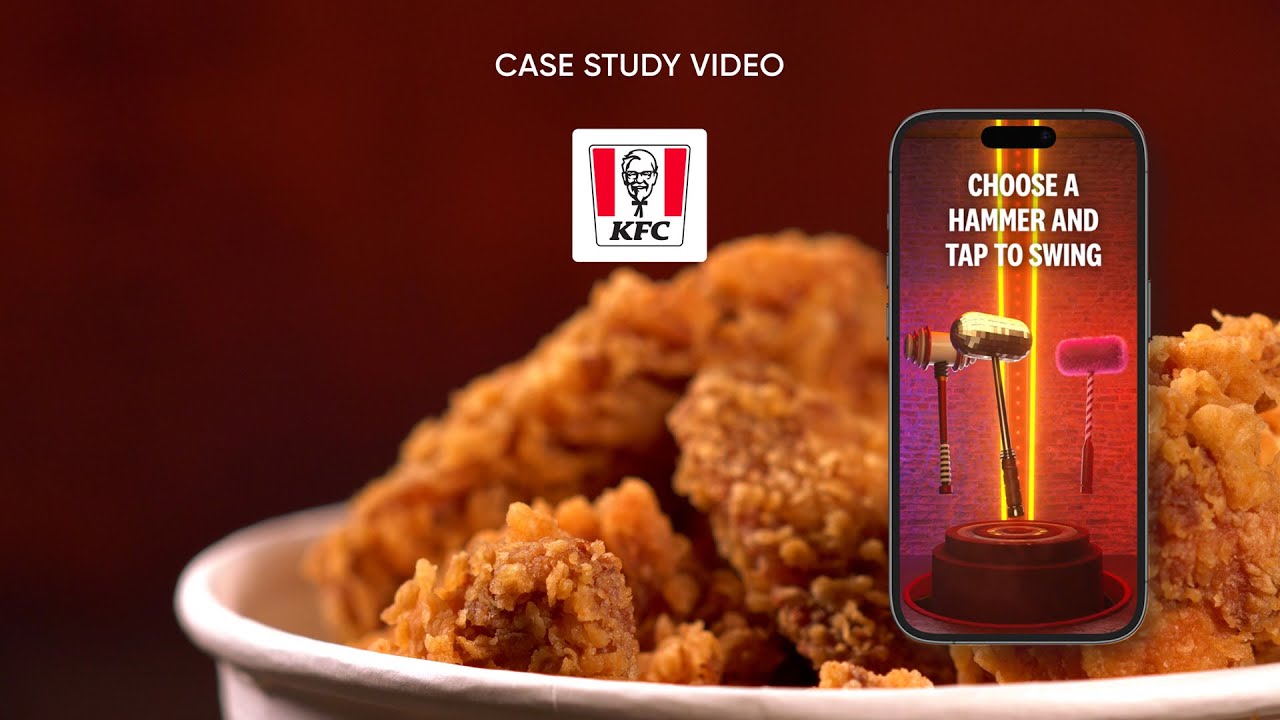
Result: App downloads up 53%, weekly active app customers up 26% and a 40% reward redemption rate, according to loyalty platform Antavo, which gives no period (Antavo).
Which format fits which goal?
- Reach this quarter: in-game advertising. You buy viewable impressions, and nothing keeps working after the flight.
- App installs: playable ads, built to let people try an app before downloading it.
- Sales or loyalty you can track: a game whose reward lands in your own channels, like Chipotle's entrée codes or KFC's app prizes.
- Consideration with an audience that skips ads: a brand world. Marriott Bonvoy Land in Fortnite drove a 14% lift in brand consideration, according to the agency, Razorfish (case study).
- Earned media without buying space: a collab or mod made with the game's own tools, as KFC and V Energy did.
- Habits around an existing product: gamification.
The strongest campaigns have three things in common. The product is the mechanic: the razor is the weapon, the burrito is the level, the Colonel is the fighter. The reward often leaves the game as an entrée code, a paid role or a gift card. And each came with its own distribution: restaurants for Burger King, Twitch streamers for V Energy's Xbox launch, TwitchCon for Philips.
When not to build a game
If you need reach in weeks and have no budget for creators, an island nobody visits is the costliest ad you will run. If your Roblox audience is mostly under 13, the ad rules above limit what you can show them. If a single spin or scratch card does the job, skip the big build: light formats are fast and cheap, and they work hardest inside a channel people already use, as KFC's arcade does in its app.
FAQ
What is the difference between an advergame and in-game advertising?
Ownership. In-game advertising rents space in a game a publisher owns (a billboard, a video break, a rewarded ad) and is measured mainly by viewable impressions. An advergame is a game the brand commissions and owns: it controls the mechanic, the reward and the data, but must find its own players. Burger King's 2006 Xbox games are a classic advergame.
Are playable ads the same as advergames?
No. A playable ad is an ad unit: a short interactive demo in a paid slot, usually ending on an install button, and billed per engagement in Google's App campaigns. An advergame is a full game the brand owns, with its own distribution. Oreo's 2019 Facebook playable in India shows the ad version: tap to coat a biscuit in chocolate, then an end card with a link.
How do you place ads in games?
Through whoever owns the inventory. Roblox sells Rewarded Video ads directly and programmatically through Google, alongside its own Billboards and Sponsored Experience ads (Roblox). Mobile games sell rewarded and playable slots through ad networks. If you want the brand inside the play rather than around it, build an experience; the library's in-game projects show how.
What are examples of in-game advertising?
Classic examples are trackside billboards in racing games, posters in open worlds and rewarded videos that pay out in-game currency. Brand projects inside games, such as Philips' Body Royale in Fortnite or KFC's Colonel Sanders fighter in Street Fighter 6, often get filed under the same heading, but they are content, not bought space.
Is gamification the same as game-based marketing?
No. Gamification adds points, badges and streaks to something that is not a game, like a loyalty app. Game-based marketing gives people an actual game with rules, a goal and an outcome they affect. KFC's Rewards Arcade sits on the line: a loyalty programme with a small arcade game inside it.
To see what brands have built inside other people's games, start with in-game worlds, and if your studio has shipped one, submit it.