Coca-Cola Kid
- Brand
- Coca-Cola
- Year
- 1994
- Objective
- Awareness
- Industry
- Food & Drink
- Mechanic
- Arcade & Action
- Platform
- In-Game
- Agency
- Aspect
- Added
- October 2026
- 1
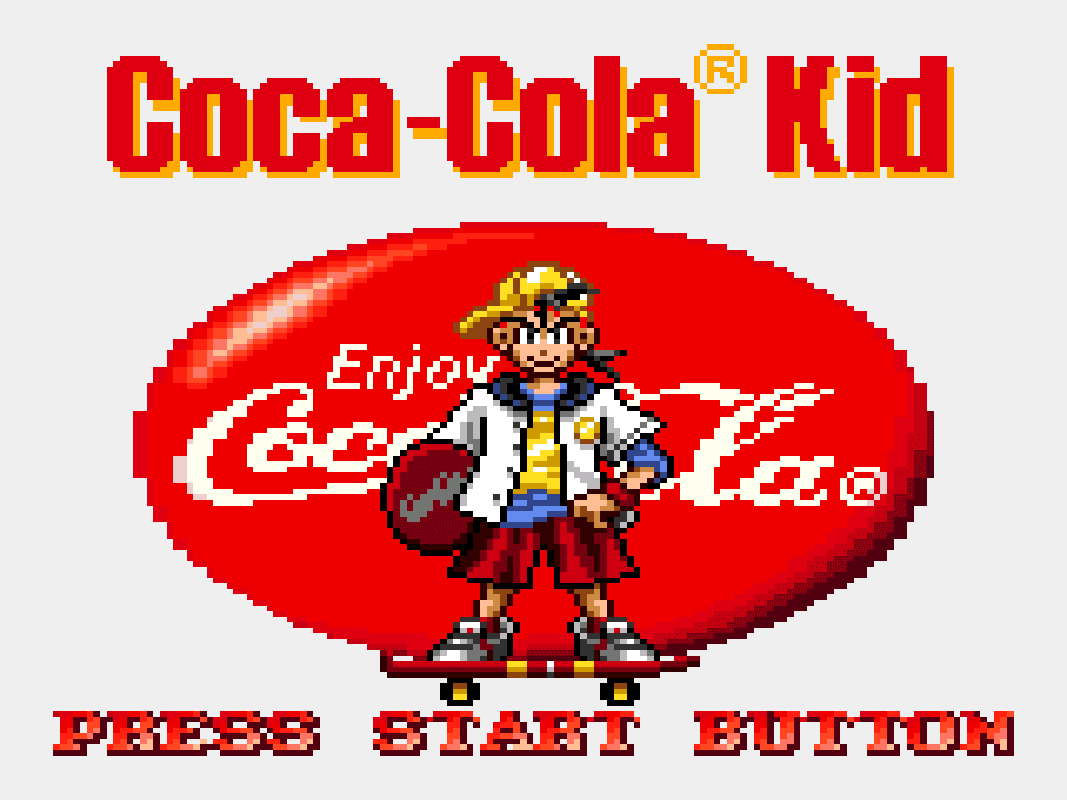
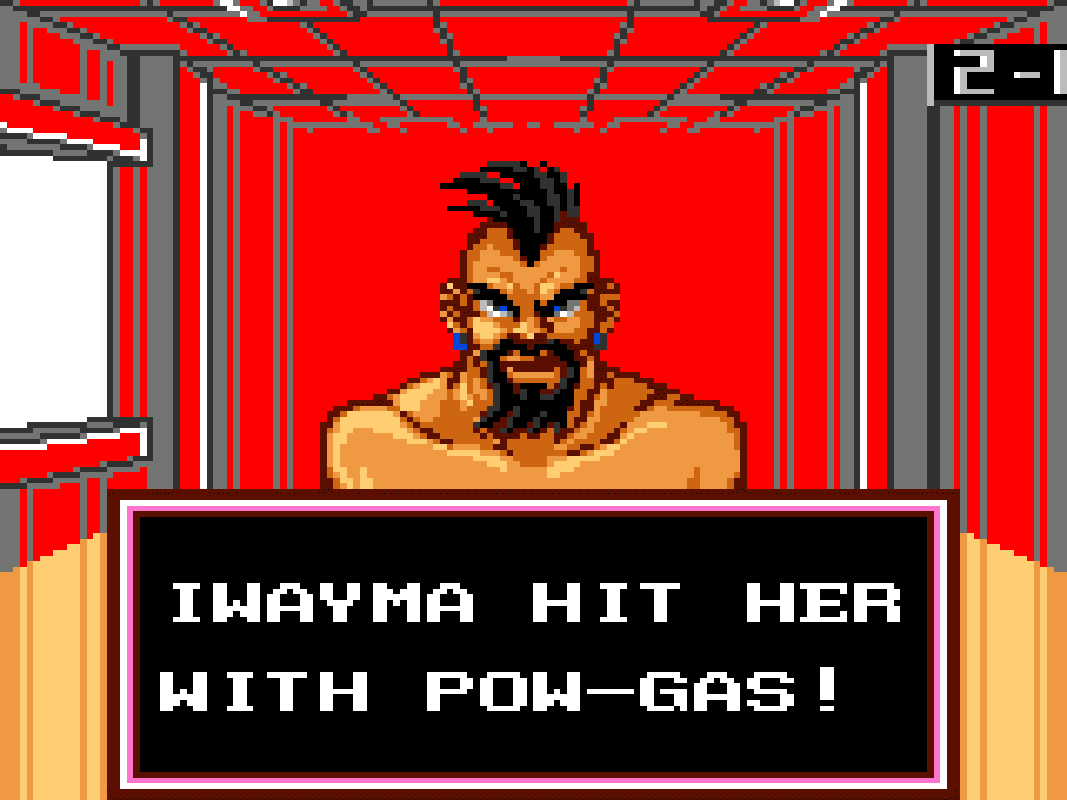
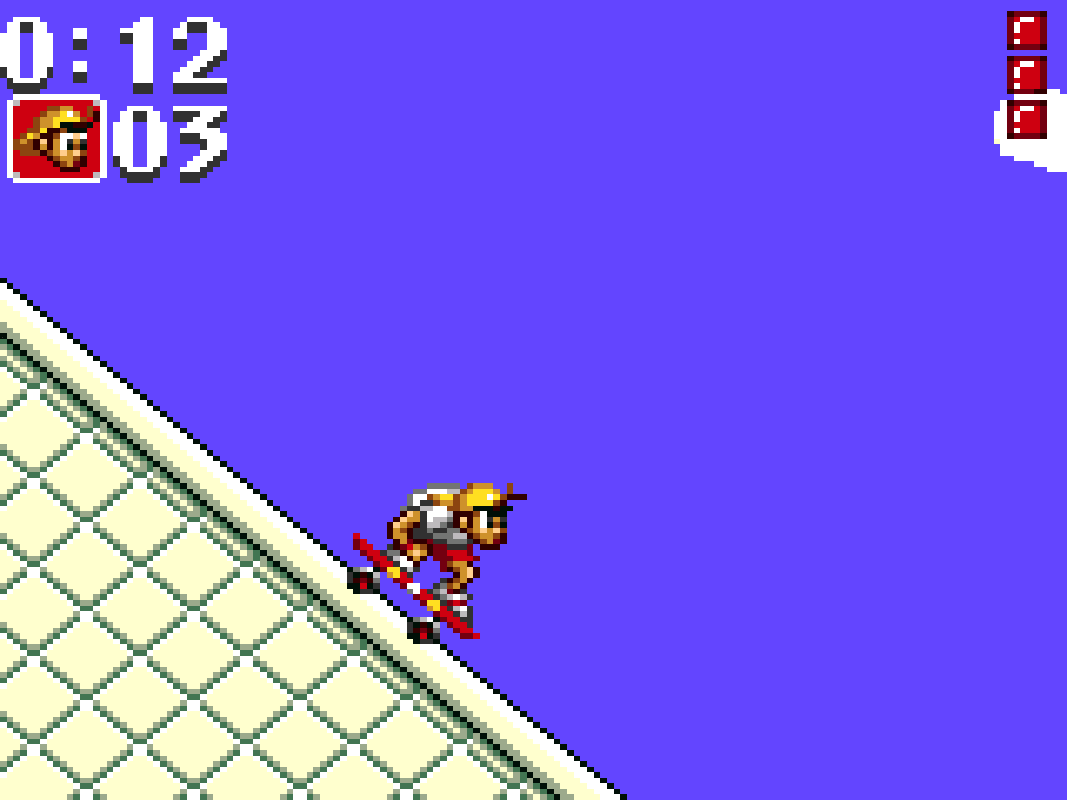
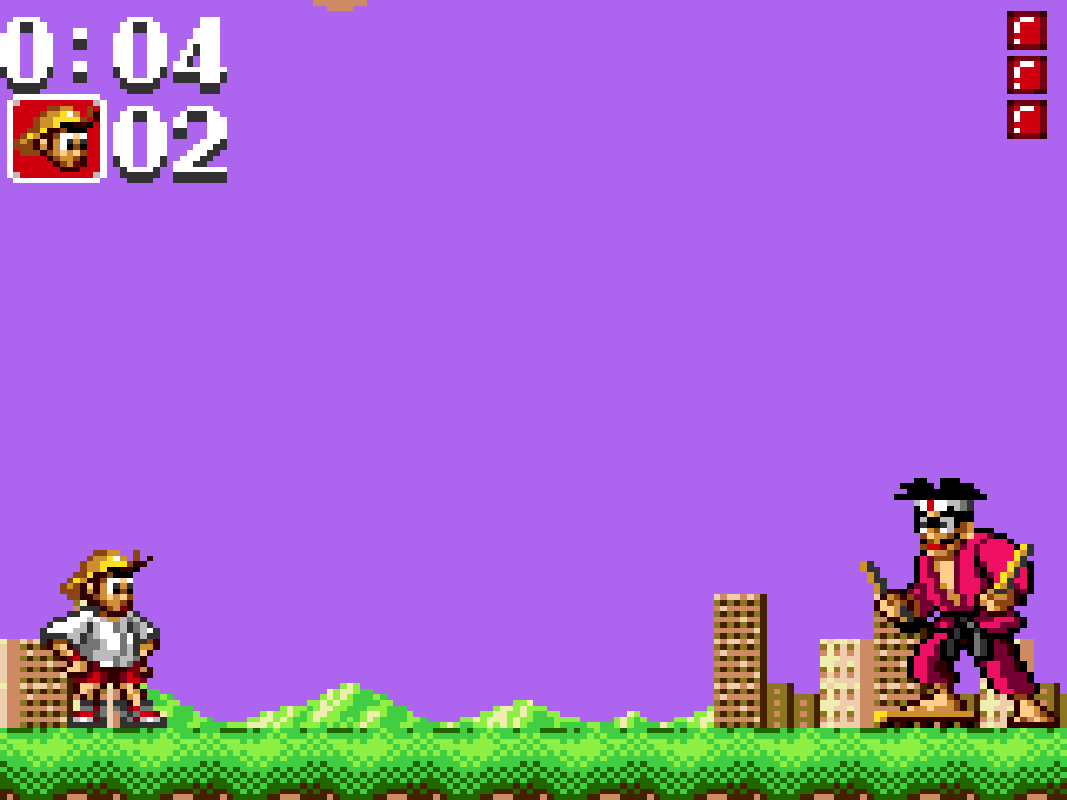
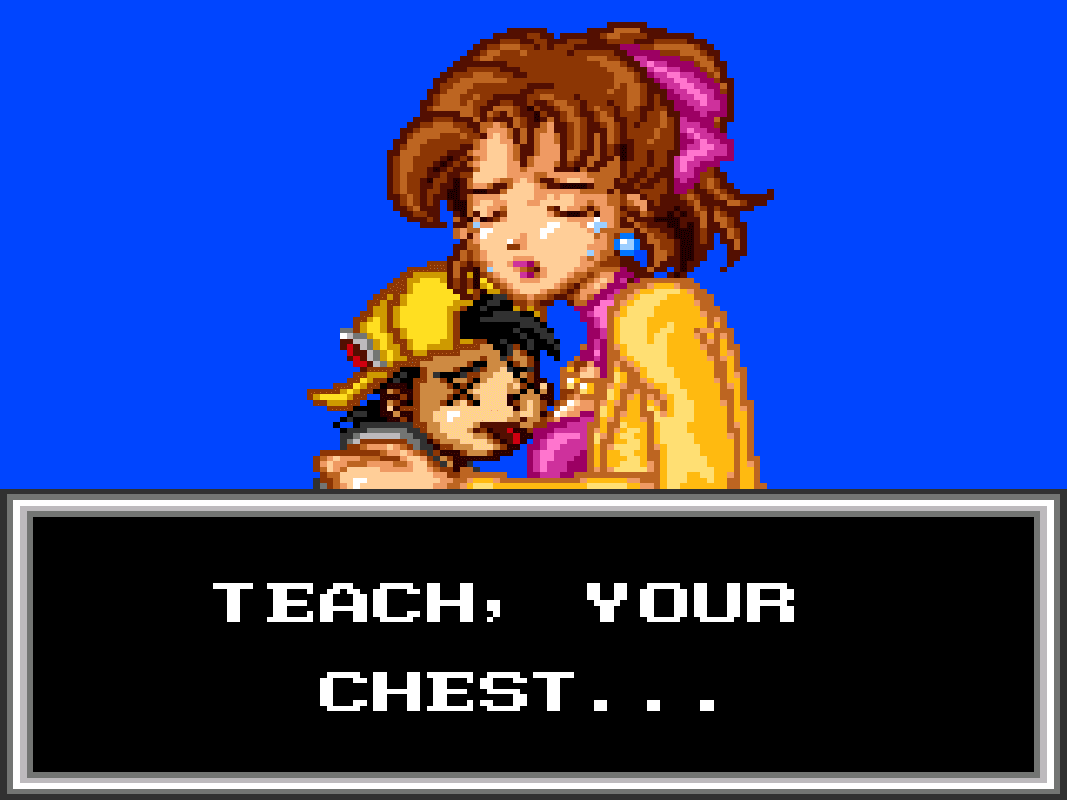
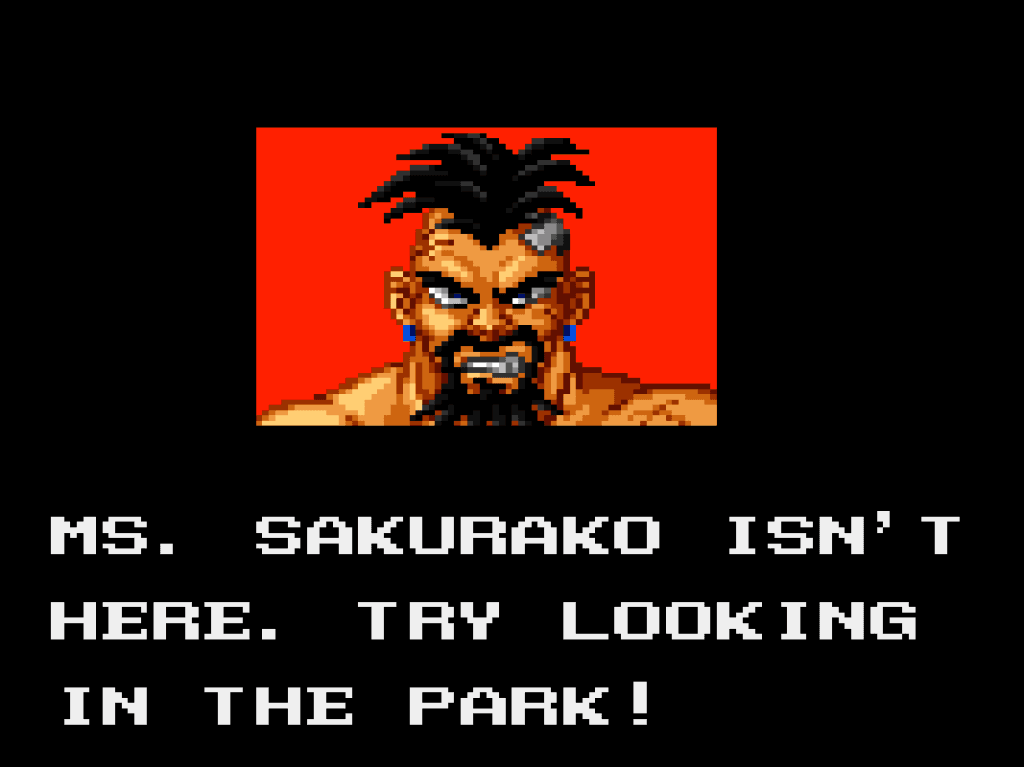
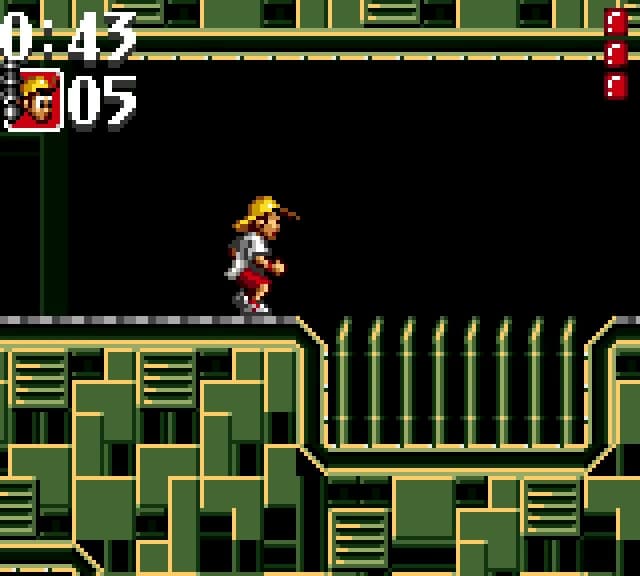
The player starts the cartridge on a title screen featuring Cokey, a skater in a backwards baseball cap and mascot of early-1990s Japanese Coca-Cola ads; the setup (a kidnapped teacher named Sakurako whom Cokey must rescue) plays out in untranslated Japanese text.
- 2
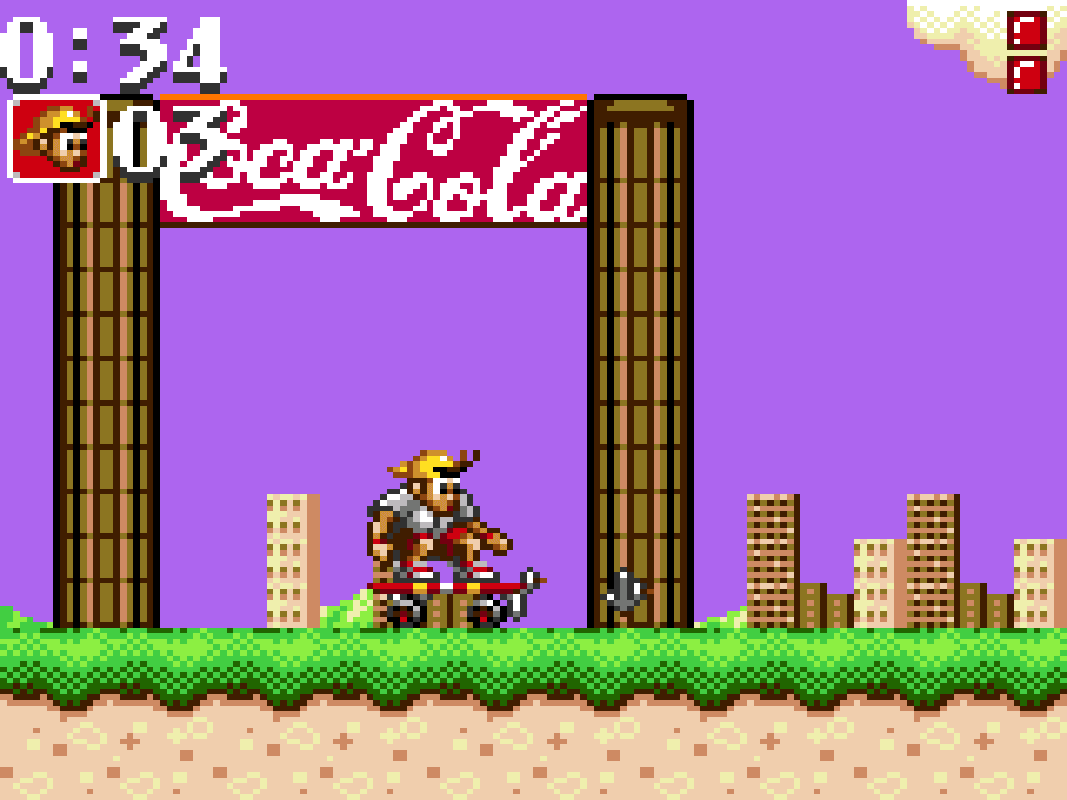
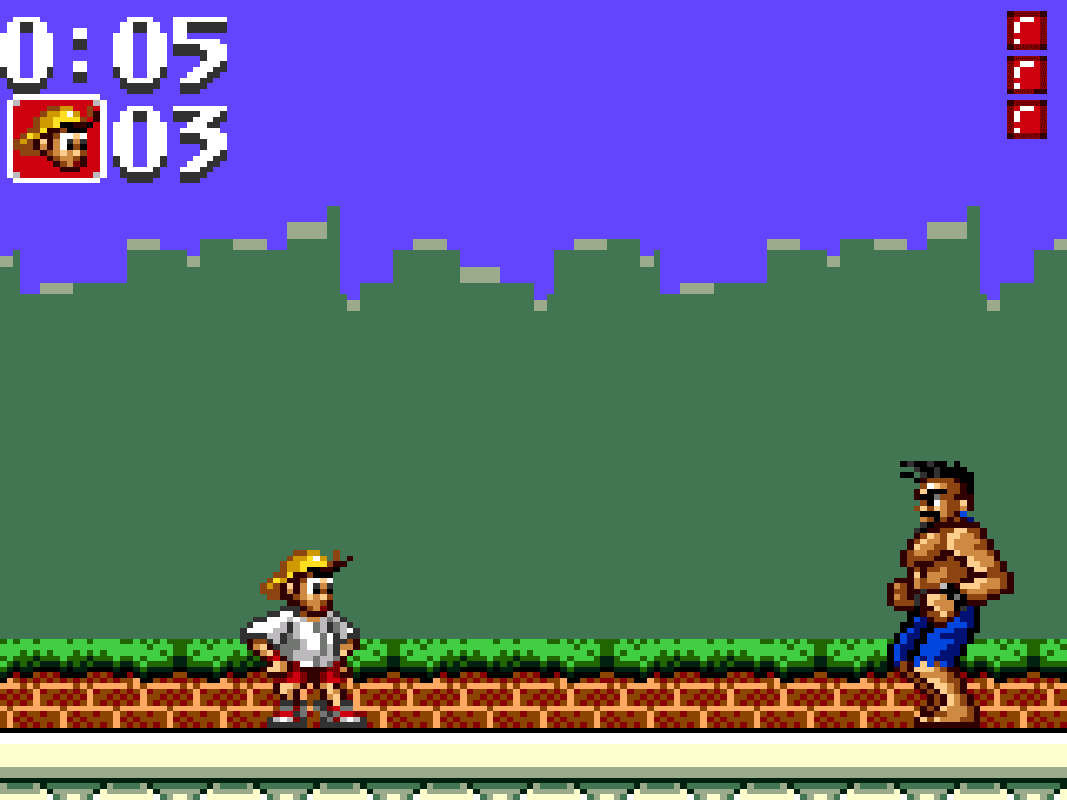
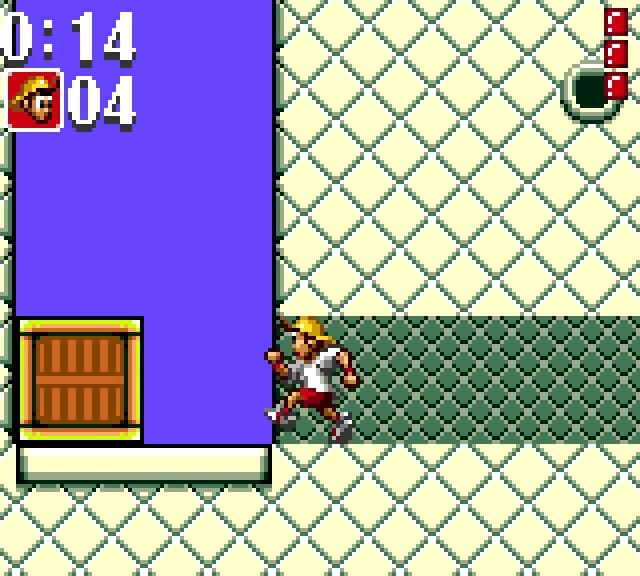
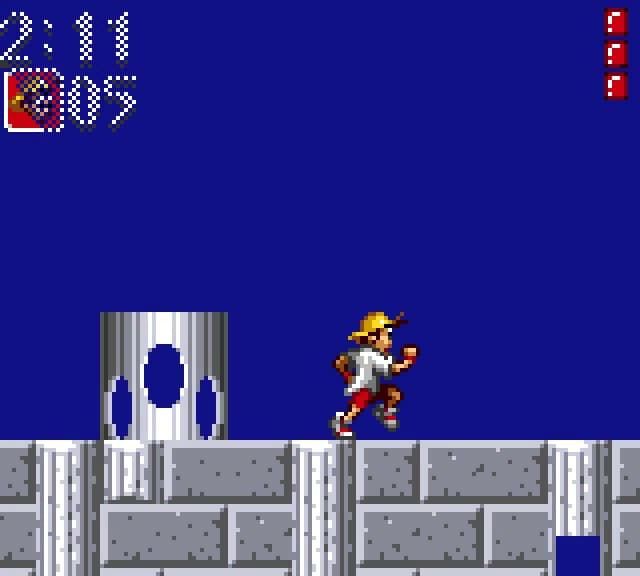
Each level is a horizontal platforming run with a Sonic-style HUD: a 9:59 level timer, a health gauge that drops one unit per hit, and a coin counter, with no checkpoints and limited lives and continues.
- 3
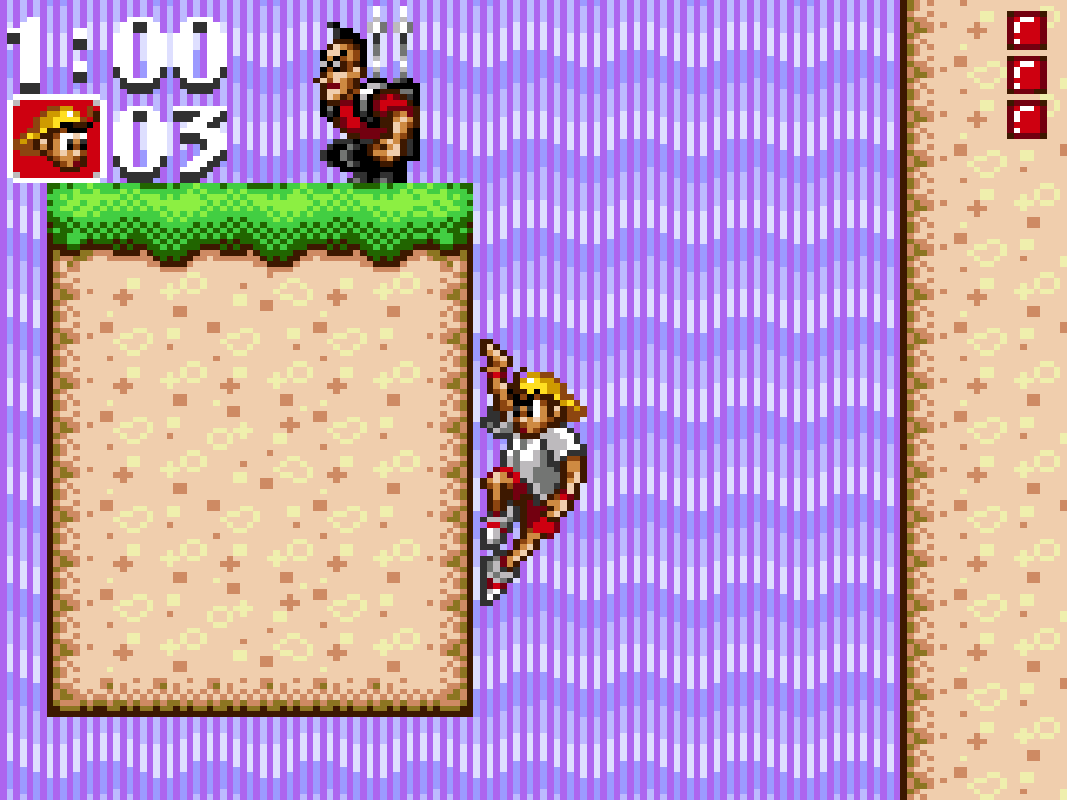
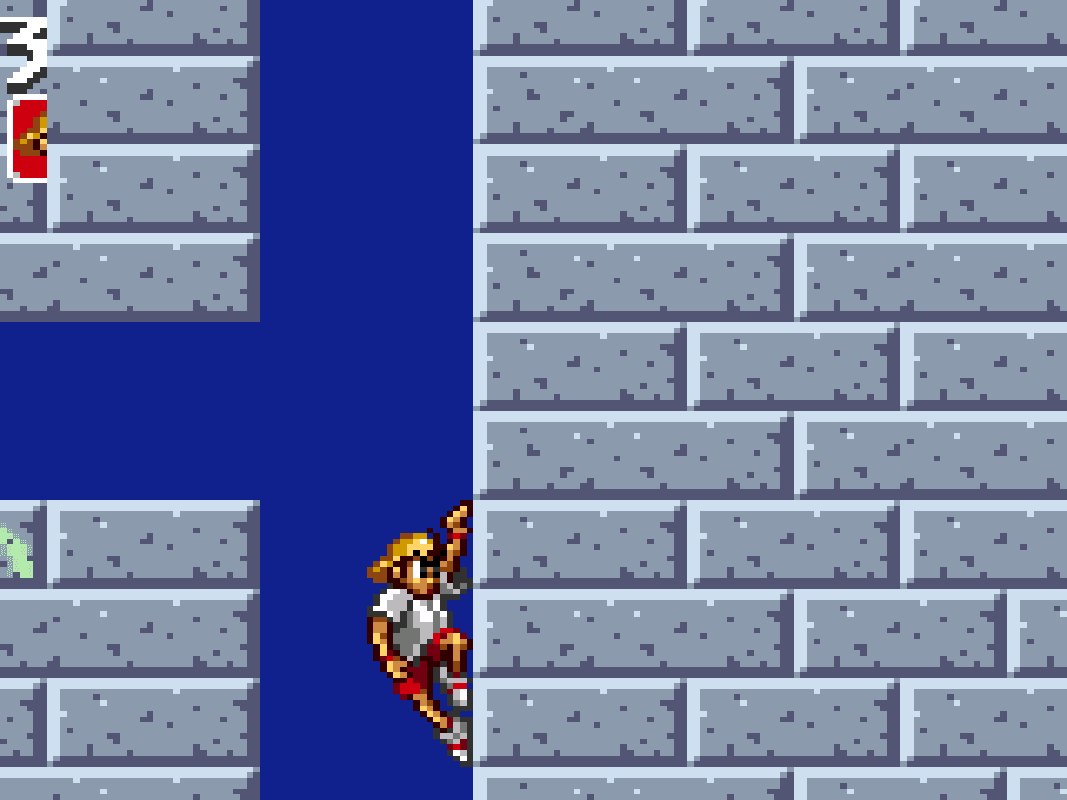
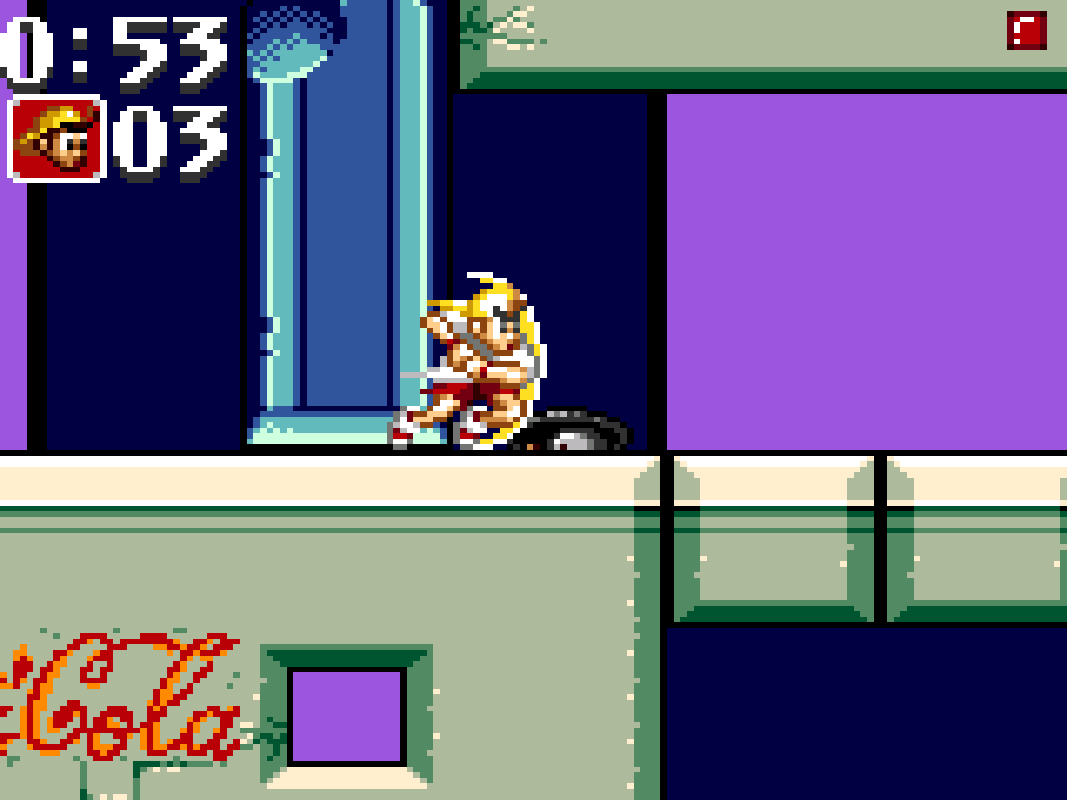
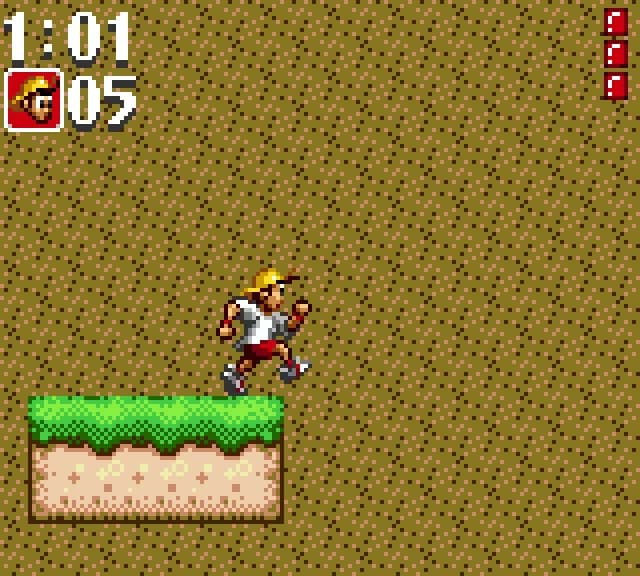
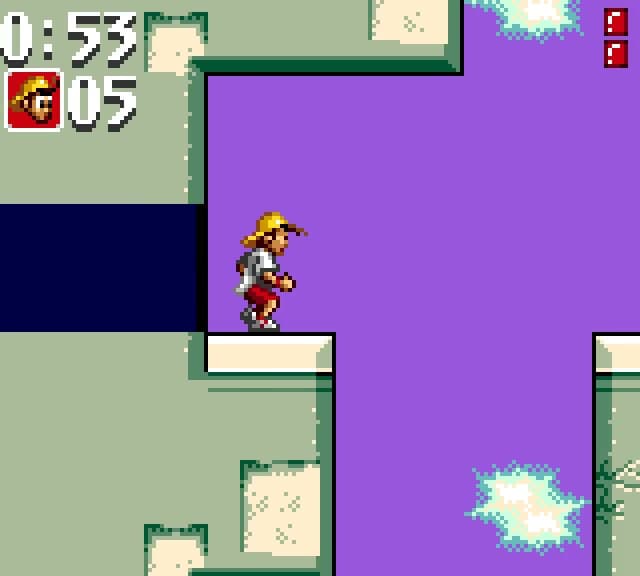
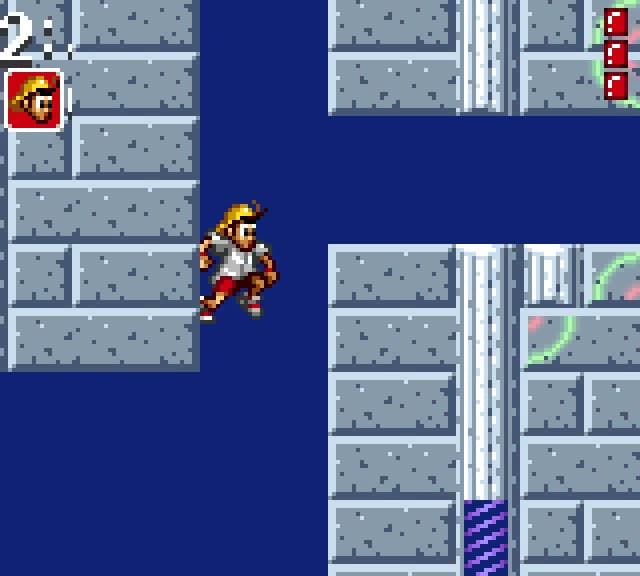
Cokey runs, jumps with a flip, grabs and climbs ledges he can't clear outright, and can stick to, kick off, or slowly slide down vertical walls.
- 4
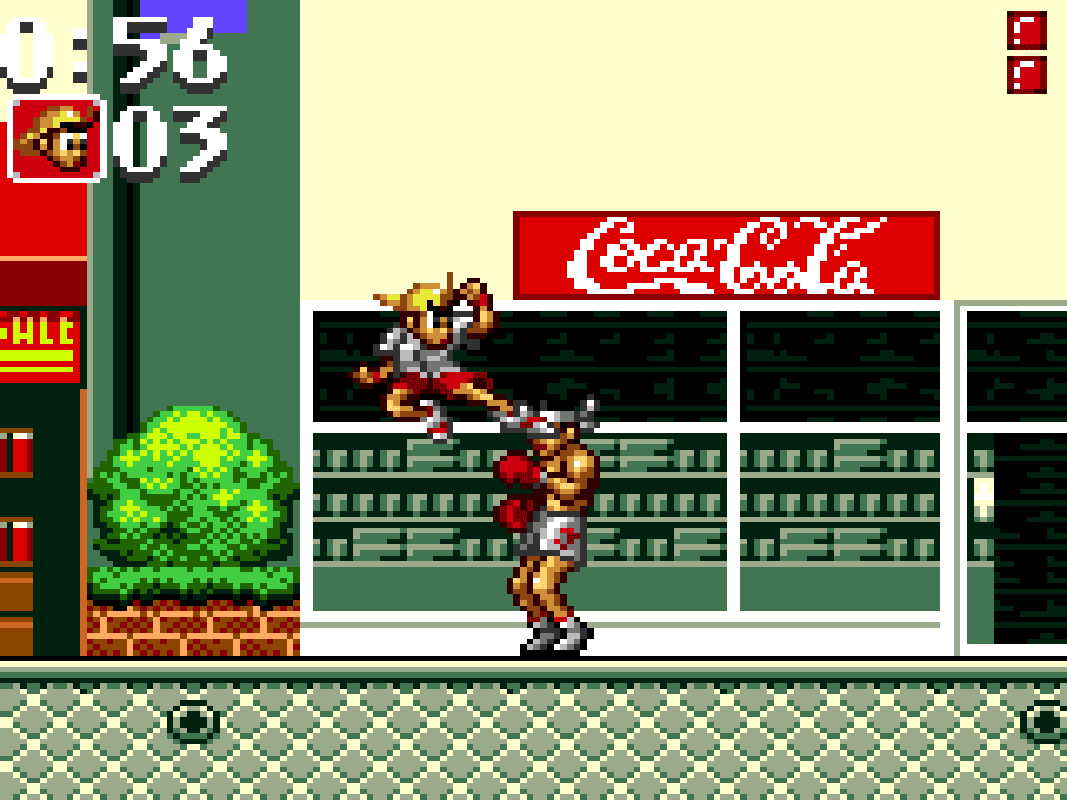
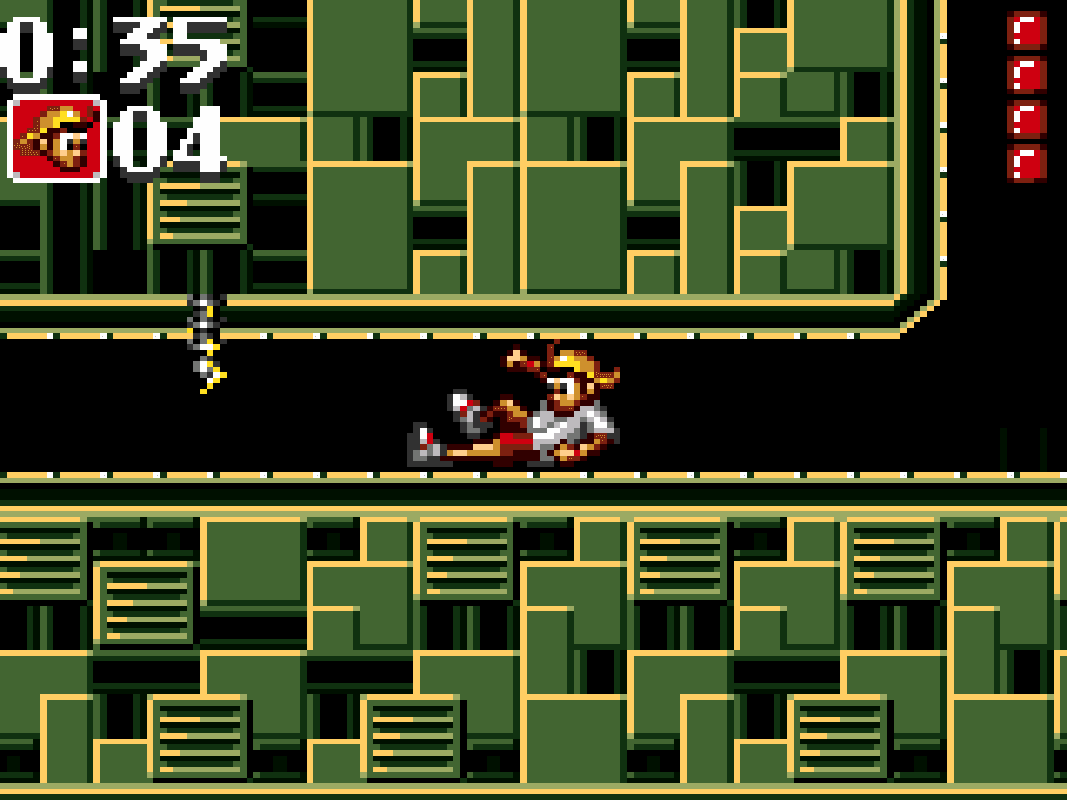
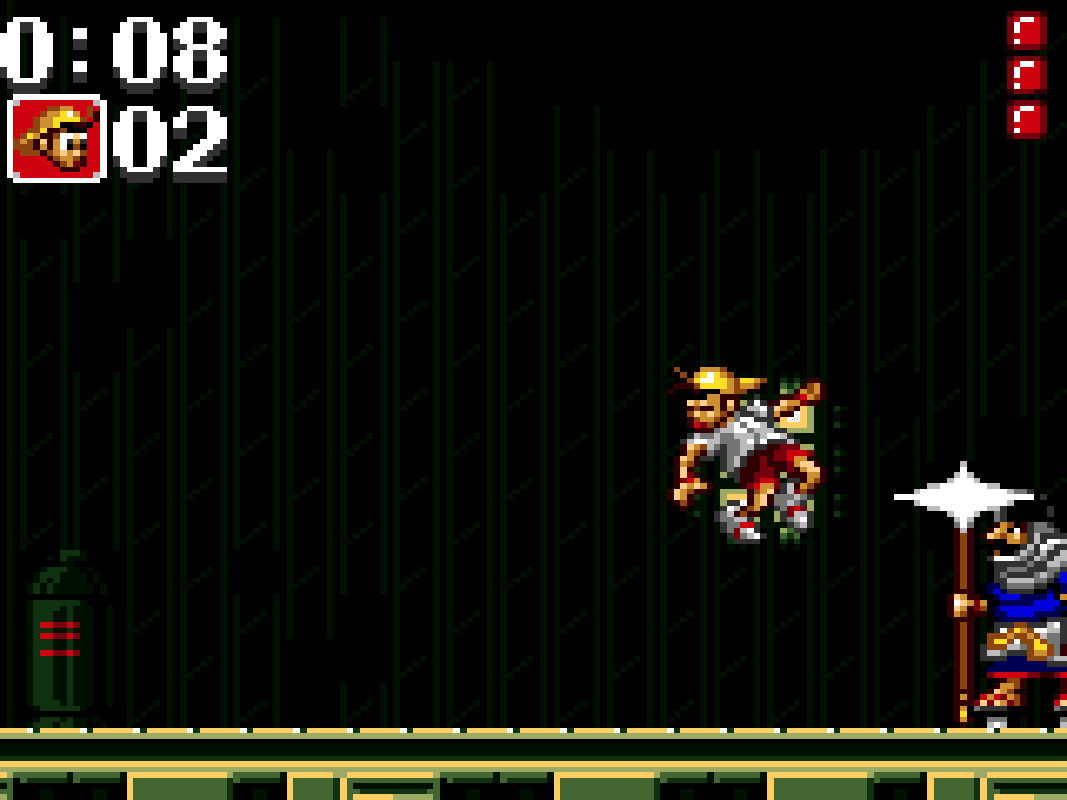
Combat is melee rather than jump-stomping: a standing kick, a non-slowing jump kick, a slide kick effective against bosses, and a chargeable shoulder-charge dash akin to a spin-dash.
- 5
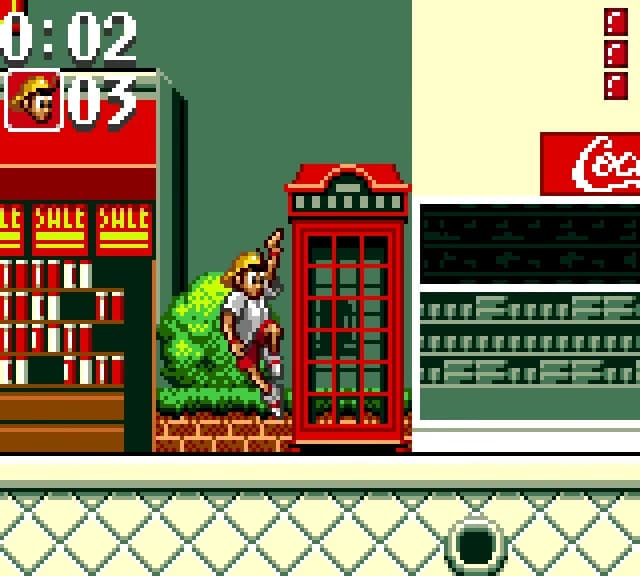
Scenery is breakable — phone booths and many walls can be smashed open to reveal secret paths and alternate routes, usually for modest rewards.
- 6
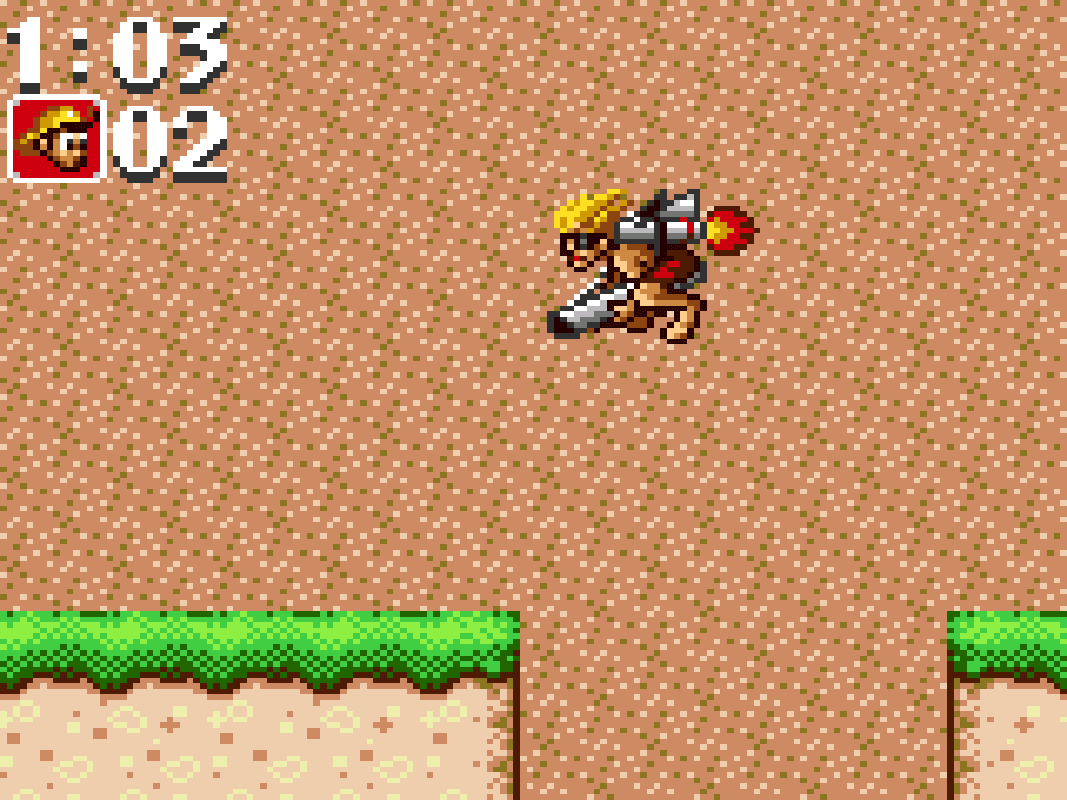
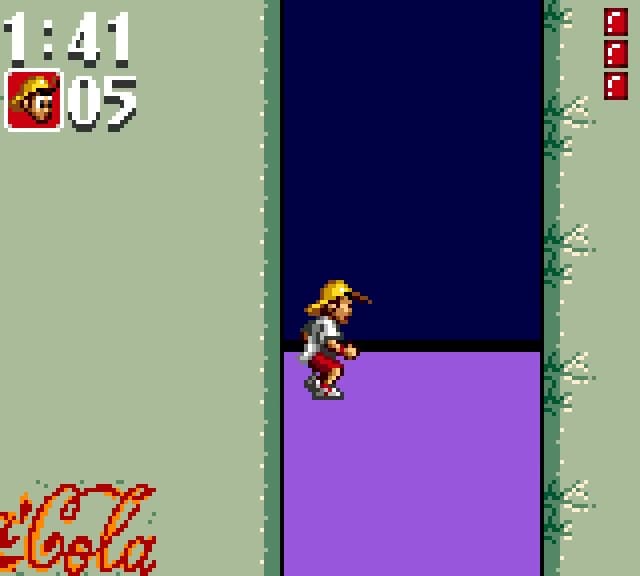
Health is restored by kicking open crates to release Coca-Cola cans, each refilling one gauge unit, against a backdrop of constant Coca-Cola branding; a pickup skateboard grants fast, invincible movement until it's lost on the first collision with any obstacle.
- 7
Players collect coins throughout each level as a currency to spend between stages, and each level offers a branching upper or lower route with no guarantee the high path is safer.
- 8
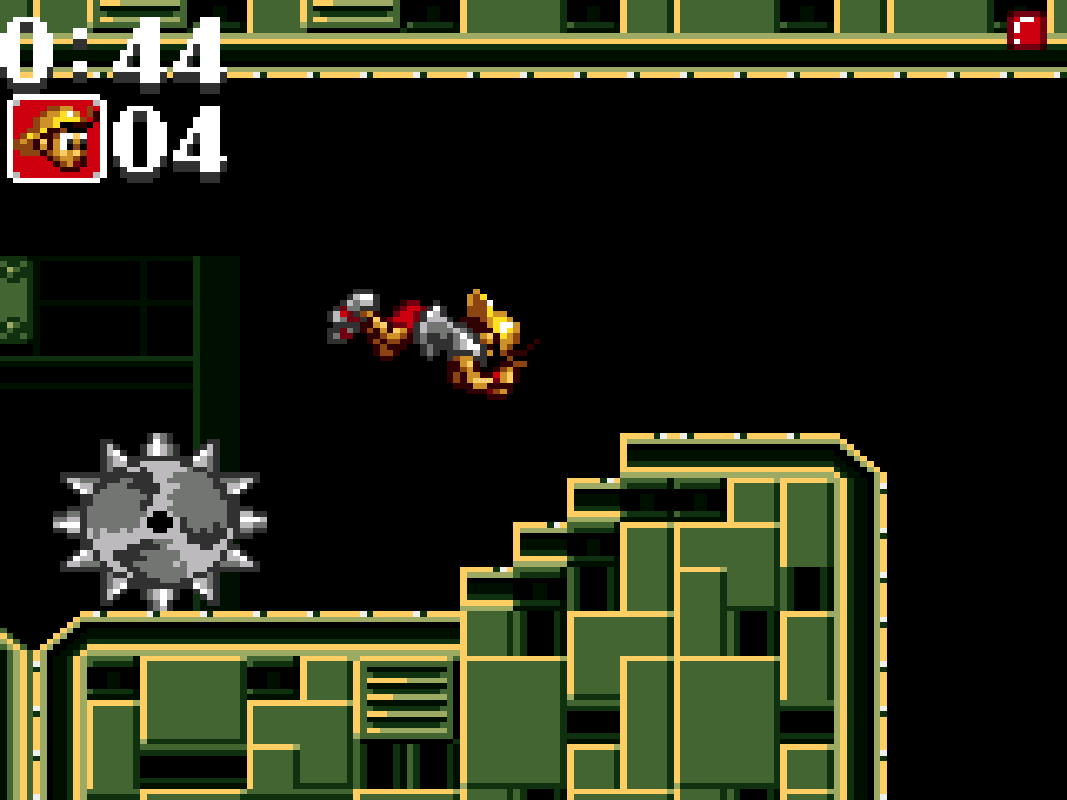
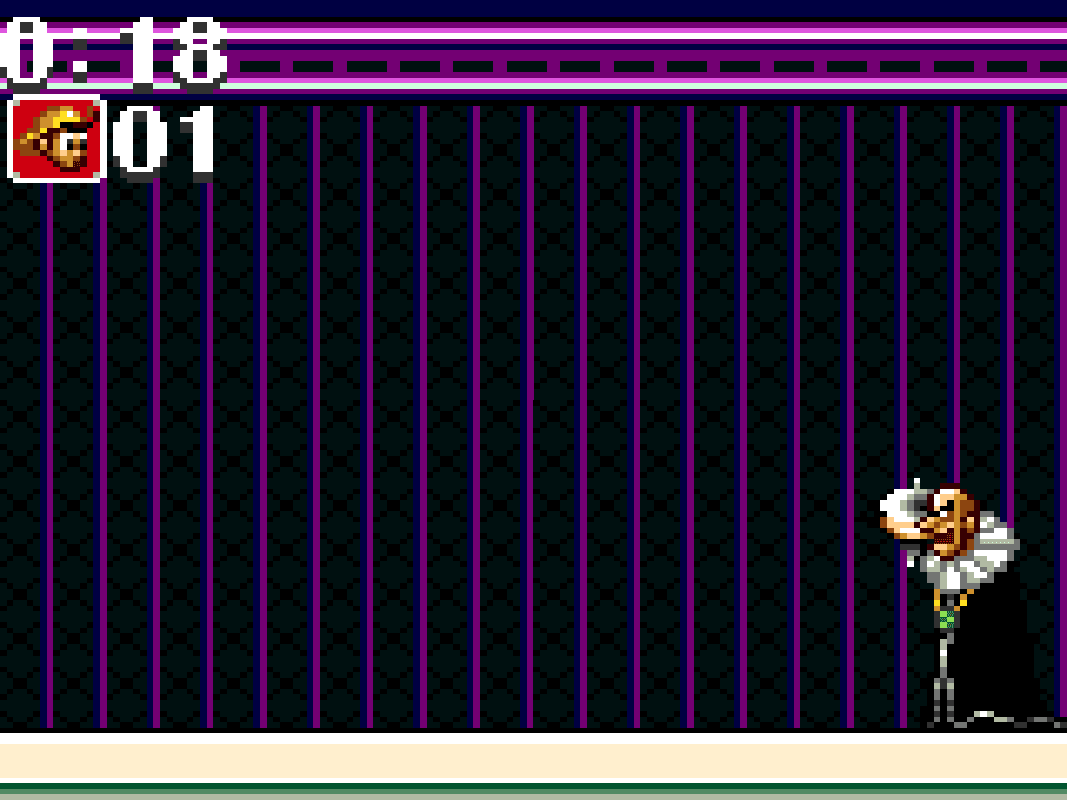
Levels progress through themed zones — downtown, a park, a factory with lava pits, ruins, and a final zone of dark corridors with a single correct path — each ending in a boss fight best handled with the slide kick.
- 9
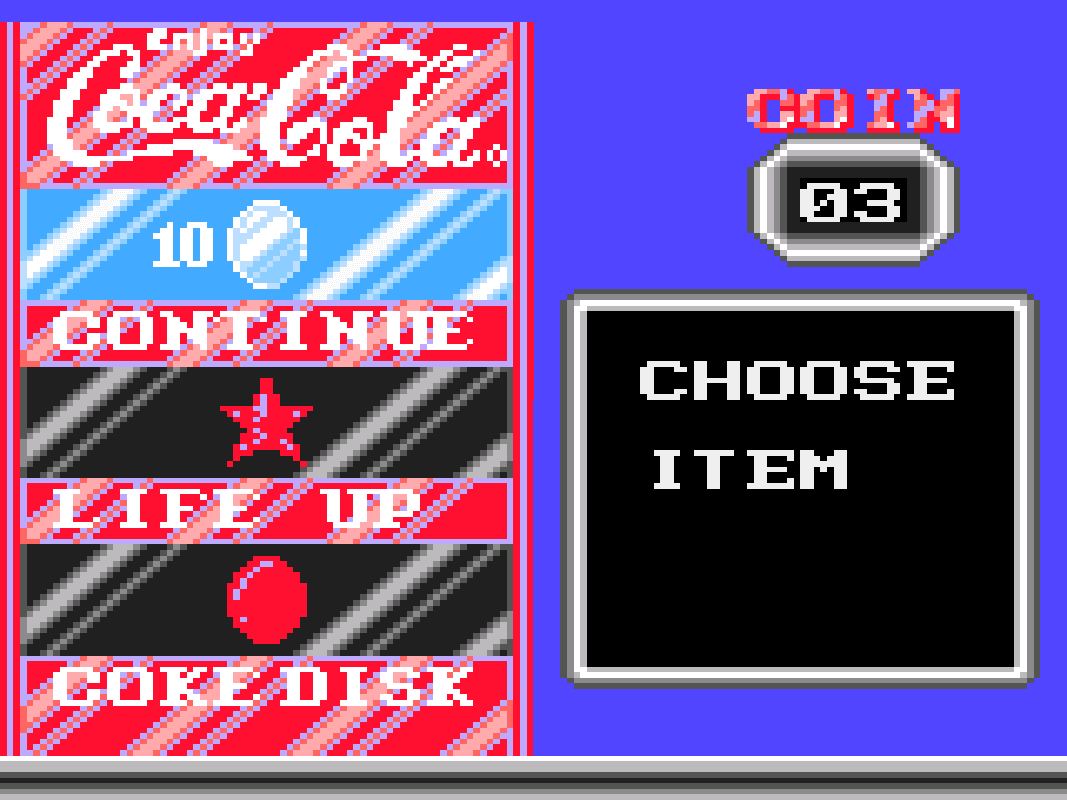
After each boss, a shop lets the player spend accumulated coins on permanent health upgrades, extra continues, and a one-hit throwing disc; the final world has no shop, so earlier route and coin choices determine the health reserve carried into the ending.
- 10
A full clear ends with Sakurako embracing Cokey after the last boss and takes under an hour, leaving replay value in hunting the secrets left unexplored.
Objective
Coca-Cola's Japanese arm wanted to put its existing TV mascot, Cokey, in front of teenagers inside a product they'd actually pay for, not a throwaway promo. Sega needed a marquee brand license to keep interest in the aging Game Gear alive late in its life cycle, an effect sharpened by a co-branded hardware bundle.
Solution
Playing as Cokey, a skater in a backwards baseball cap, you run, jump, kick, and charge up a shoulder-barge dash through Coke City, a world built from Coca-Cola's own logos and signage. Coins get collected along the way and Coca-Cola cans serve as the game's health pickups, restoring you when you're hit. Each level offers a choice between an upper and a lower path, and after beating a boss you spend your collected coins in a shop before moving on to the next act.
Can you still play it?
Sources
There's no official way to play Coca-Cola Kid today: it was a Sega Game Gear cartridge sold only in Japan in 1994, with no re-release in any Sega collection or digital storefront. It survives as a full playthrough preserved on the Internet Archive, and an unofficial English fan patch lets players run the original cartridge content today.