









Artemis Missions
Read the story- Brand
- NASA
- Year
- 2023
- Objective
- Awareness
- Industry
- Tech & Telecom
- Mechanic
- Simulation & Strategy
- Platform
- In-Game
Objective
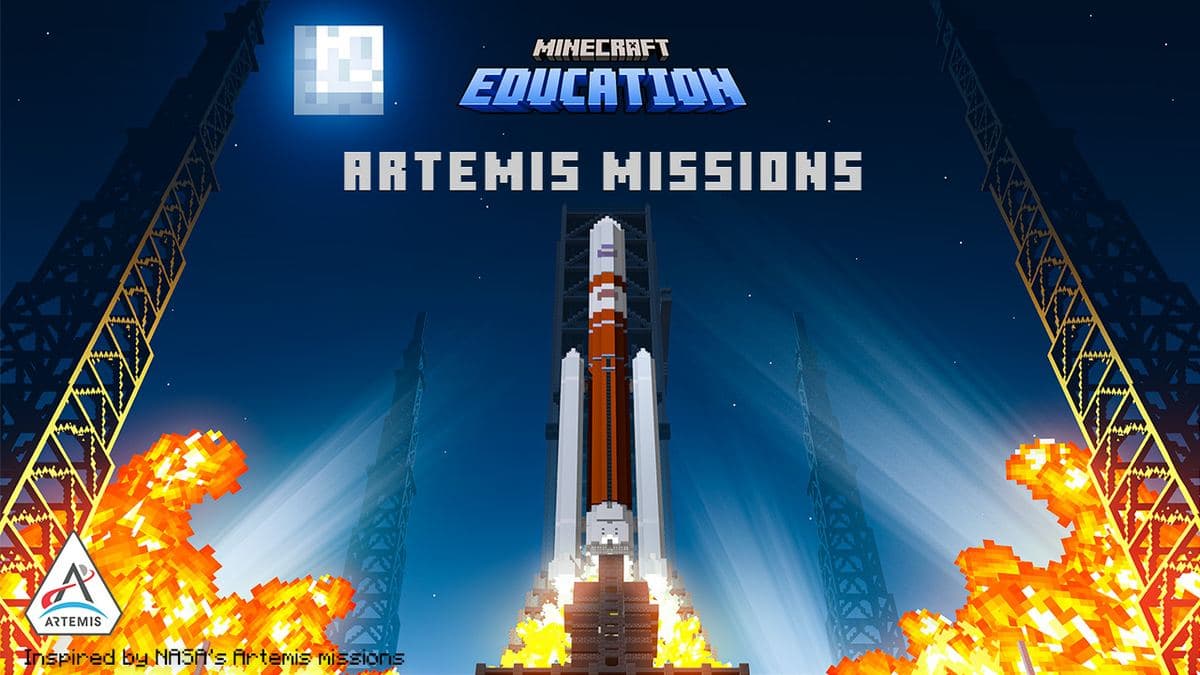
NASA needed to build public momentum and a future workforce for the Artemis Moon program, so it went looking for the next generation of engineers where they already spend their time. The goal was to reach kids from age 8 broadly enough to spark an "Artemis Generation" that sees itself in tomorrow's missions, with lessons mapped to NSTA and CSTA classroom standards so teachers could bring it into the curriculum.
Solution
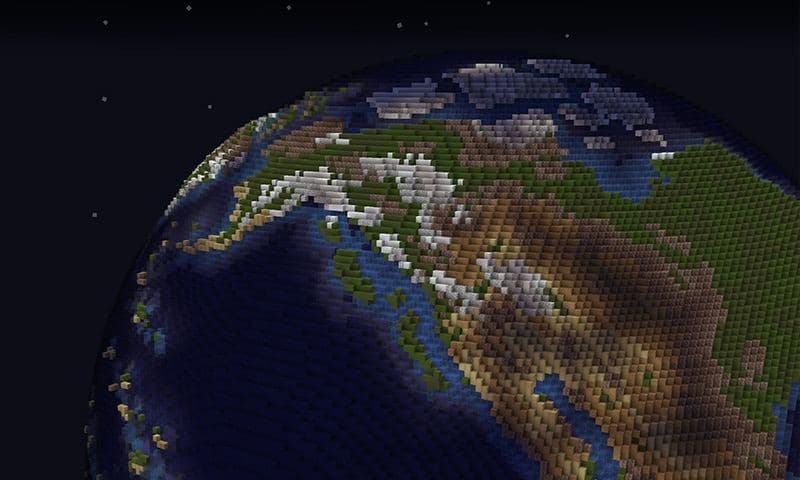
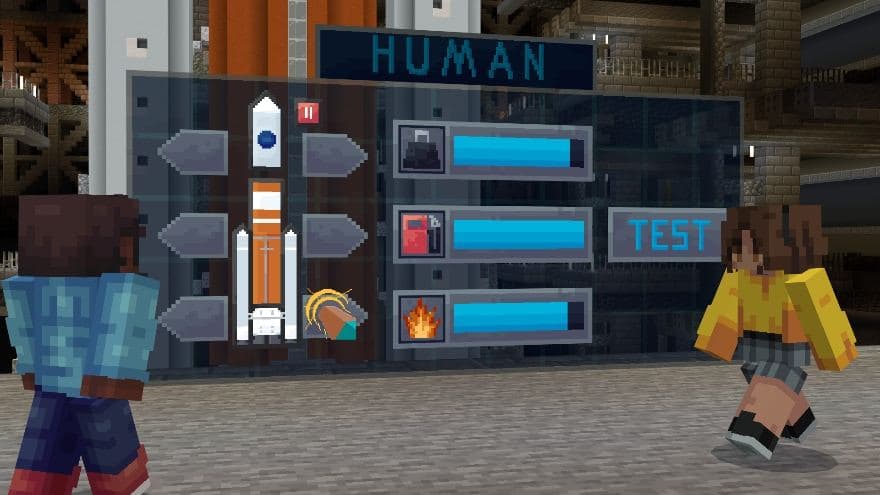
Players start in a blocky NASA lab, talking with in-game scientists and engineers who walk them through rocket propulsion and Newton's laws before handing them a build screen: pick components, work within a set budget, and paint the finished rocket. From there it's launch day at Cape Canaveral, then a trip aboard Orion, where players write code — dragging blocks or Python — to guide the ship into lunar orbit and touch down, often splitting pilot and navigator roles with teammates in the same session. The arc closes with a third world where a team builds out a livable base on the Moon's surface together.
Results
The free entry world, Artemis: Rocket Build, has drawn more than 100,640 player ratings on the Minecraft Marketplace, averaging 4.4 out of 5.
- 1
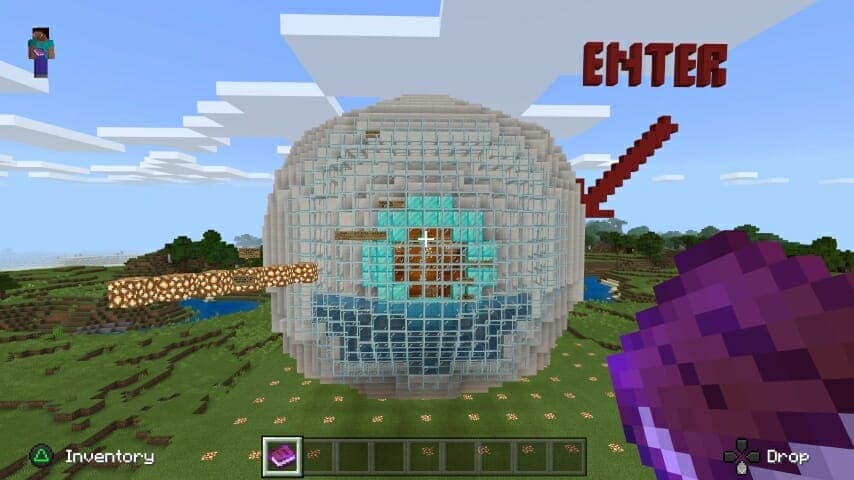
The player downloads "Artemis: Rocket Build" free from the Minecraft Marketplace on Bedrock, or opens it inside Minecraft Education, entering a world built around NASA's Artemis program.
- 2
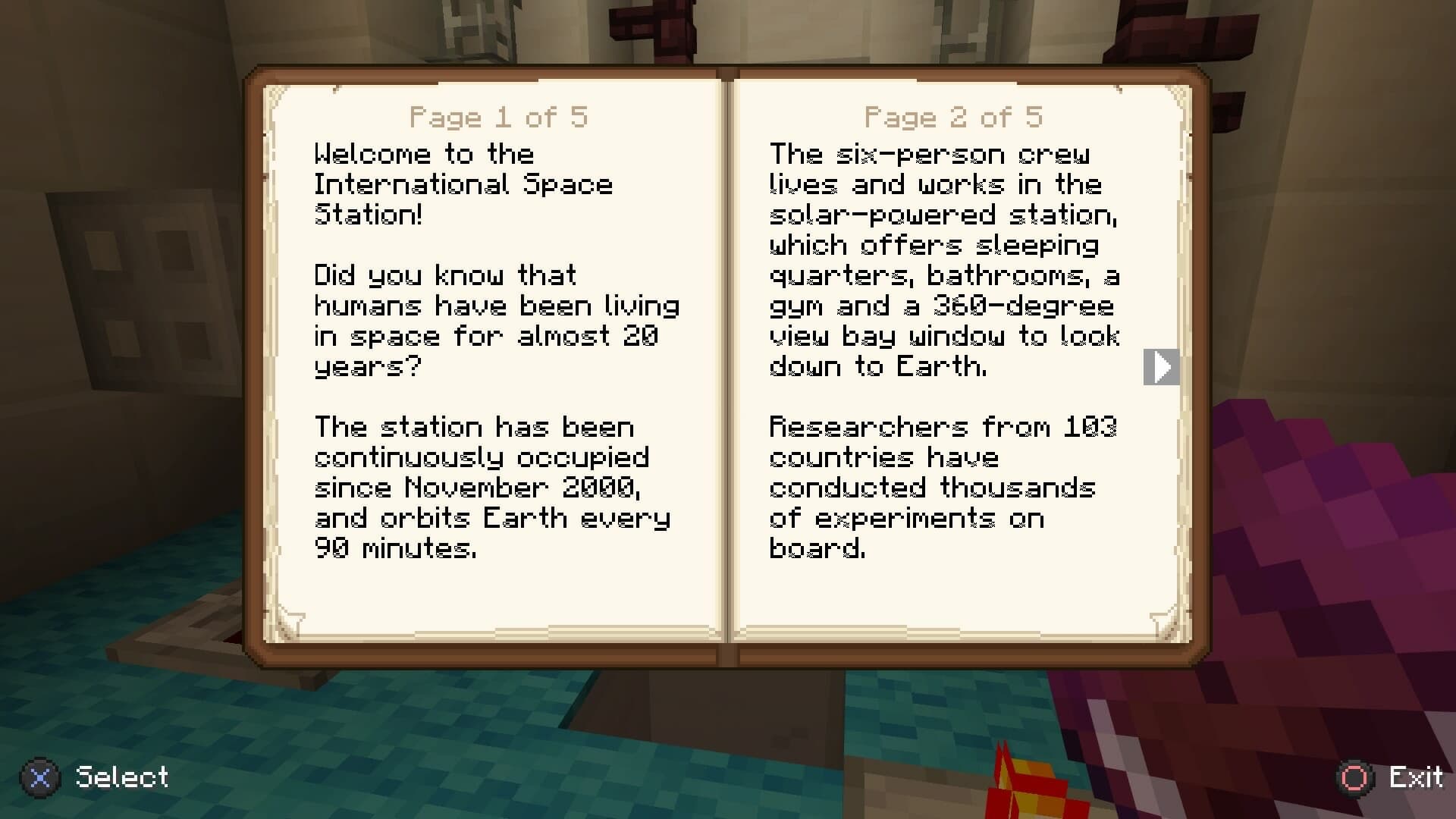
Walking through block-built labs, the player meets NPC scientists and rocket engineers who explain the Artemis program's lunar goals, the physics of jet propulsion and Newton's three laws, the parts that make up the Space Launch System, and the past, present and future Artemis missions that frame the player's own launch.
- 3
In the build stage, the player picks rocket components under a limited budget — trading power against cost — configures the crew module at the top of the rocket, and spray-paints the finished vehicle before launch.
- 4
The rocket rolls out to a launch complex modeled on Cape Canaveral, where the player watches a simulated launch that succeeds or fails based on the chosen configuration.
- 5
The build-launch cycle repeats for three different rocket types, and the world plays a closing sequence once all three launches succeed.
- 6
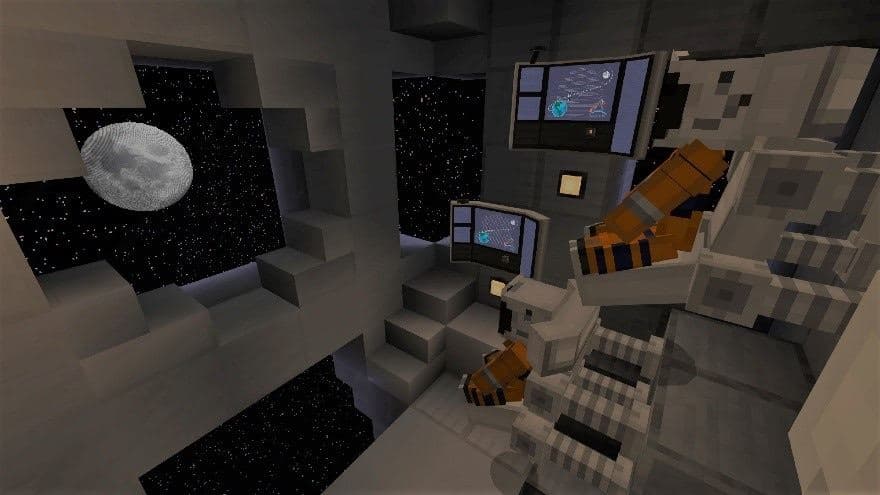
In the second world, "Artemis: Return to the Moon" (Minecraft Education only), the player boards an Orion capsule for the flight to the Moon.
- 7
In lunar orbit, a team of players — each with an assigned role — works through a series of coding challenges using either MakeCode blocks or a Python notebook, including a task where the player programs the Agent character to descend to the lunar surface and locate a safe landing spot, in what plays as a multiplayer coding adventure.
- 8
The code the players write pilots Orion to a successful lunar landing.
- 9
In the third world, "Artemis: Moon Base One" (2024, Minecraft Education only), a team builds a habitable lunar base while working through the environmental hazards astronauts must be protected from.
- 10
Alongside the worlds, teachers get free lesson guides aligned to NSTA and CSTA standards plus supplementary offline lessons from the Challenger Center for Space Science Education, for continuing the lesson outside the game.