






WeAther
- Brand
- Greenpeace
- Year
- 2008
- Objective
- Awareness
- Industry
- Other
- Mechanic
- Simulation & Strategy
- Platform
- Web
- Agency
- Colmeia
- With
- AlmapBBDO

Objective
Greenpeace Brasil wanted to reach a young audience on climate change without resorting to campaign-style lecturing. AlmapBBDO's brief was to make people think about what they personally could do for the planet while actually having fun, so the message would land through play rather than persuasion.
Solution
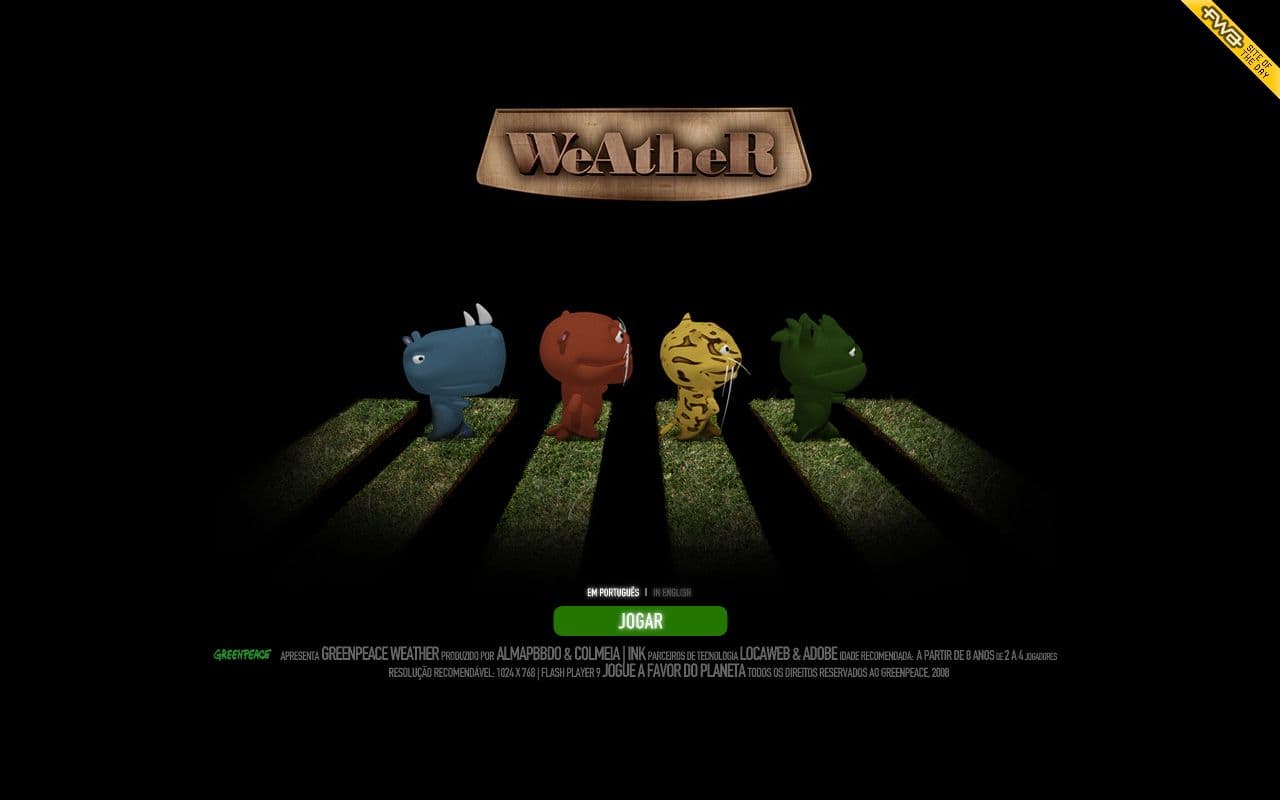
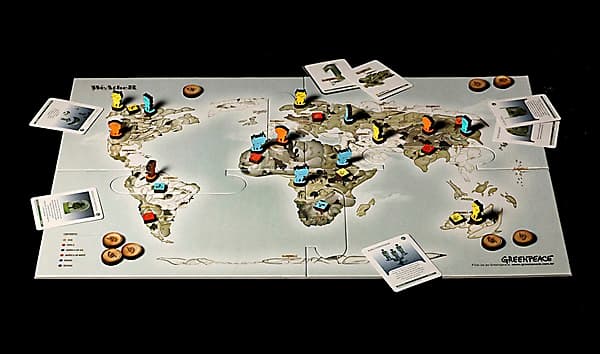
Two to four players meet online and drop into a world map that riffs on the board game War, each picking a home base and taking on the role of an activist. From the start, six chronic climate crises are already burning on the map, and new local ones flare up as the rounds go on. Players draw action cards for the resources to fight them, coordinating with their teammates in real time rather than competing against them. There's no player-versus-player combat — the only enemy is climate change itself, so the team wins or loses together. A full session runs just a few minutes, compressing War's usual hours-long campaign into a quick round trip.
- 1
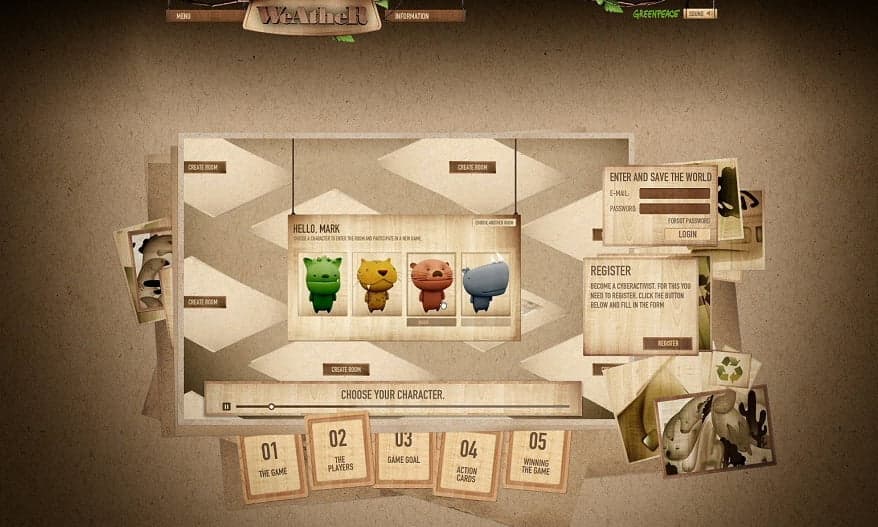
Players reach the game at greenpeaceweather.com.br, where an online lobby requires assembling a group of two to four people before a session can begin.
- 2
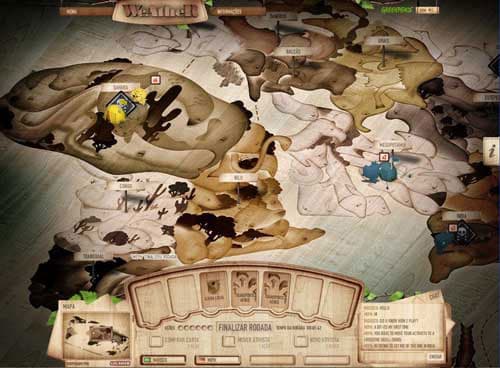
The session opens on a world map divided into territories, styled like the classic War board game but reframed around ecological crises instead of armies.
- 3
Each player picks a home territory to act from, then the group spends two minutes discussing an opening strategy — who covers which area and which crises to tackle first.
- 4
The map starts with six chronic ecological crises already in place, representing the state of the world the team must address.
- 5
Players draw action cards that grant the resources needed to carry out missions and resolve crises on the map.
- 6
As rounds progress, new localized crises break out on top of the chronic ones, escalating the situation independently of any player's actions.
- 7
Players work together rather than against each other, coordinating and assisting one another against a shared threat of climate change and natural disasters rather than a rival player.
- 8
The session ends in a single shared outcome within minutes: the whole team loses if crises overwhelm them, or wins together if the planet is saved.