







VR Real Data Baseball
- Brand
- Dodgers
- Year
- 2025
- Objective
- Engagement
- Industry
- Entertainment
- Platform
- Installation
- Agency
- Bascule Inc.









Objective
MLB Tokyo Series 2025 was the Dodgers' first-ever exhibition outside the US, built to convert Japan's surge of interest in Shohei Ohtani, Yoshinobu Yamamoto, and Roki Sasaki into in-person engagement and paid attendance. Mori Building and TOKYO NODE LAB needed a centerpiece that could do what no broadcast or stadium seat could: put a fan in the batter's box against Ohtani before his official Japan debut. The attraction also doubled as the upsell hook for the exhibition's top ticket tier.
Solution
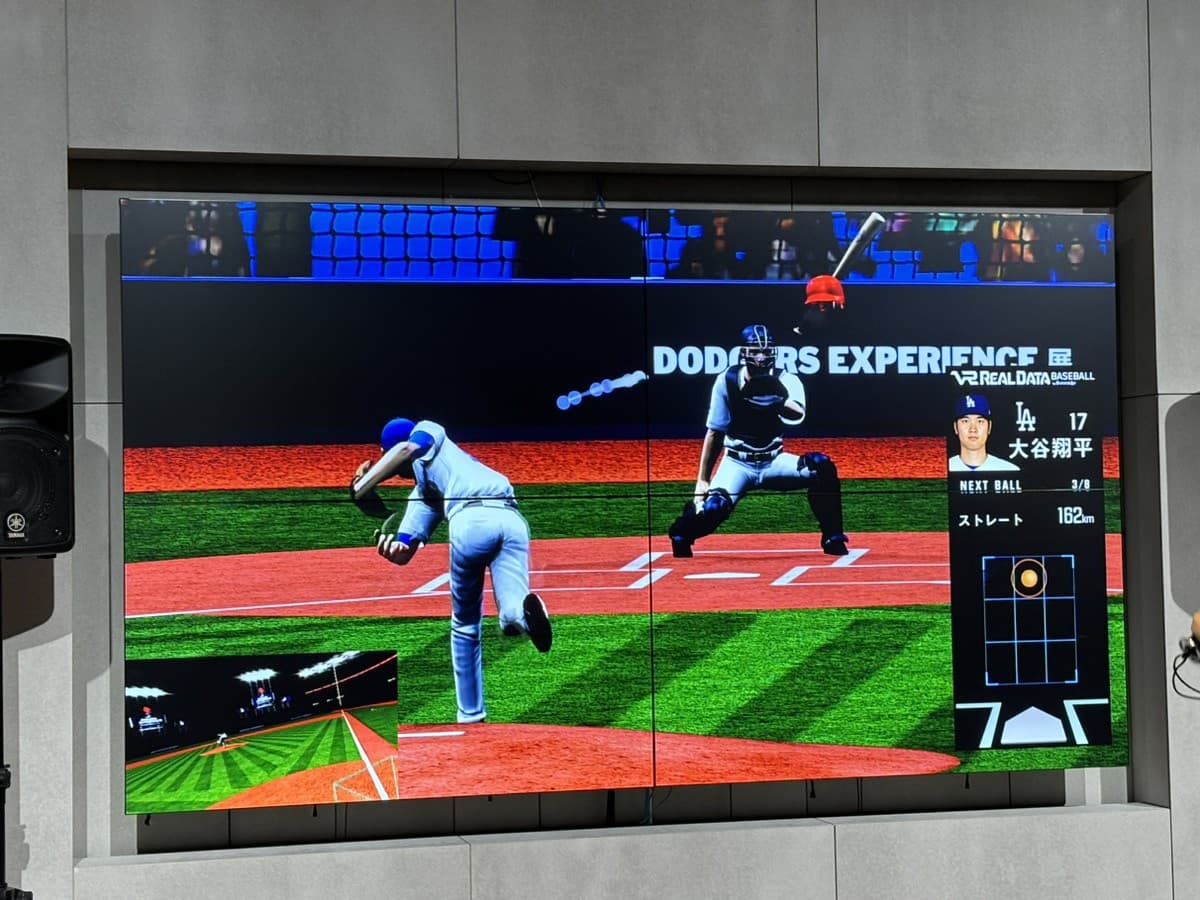
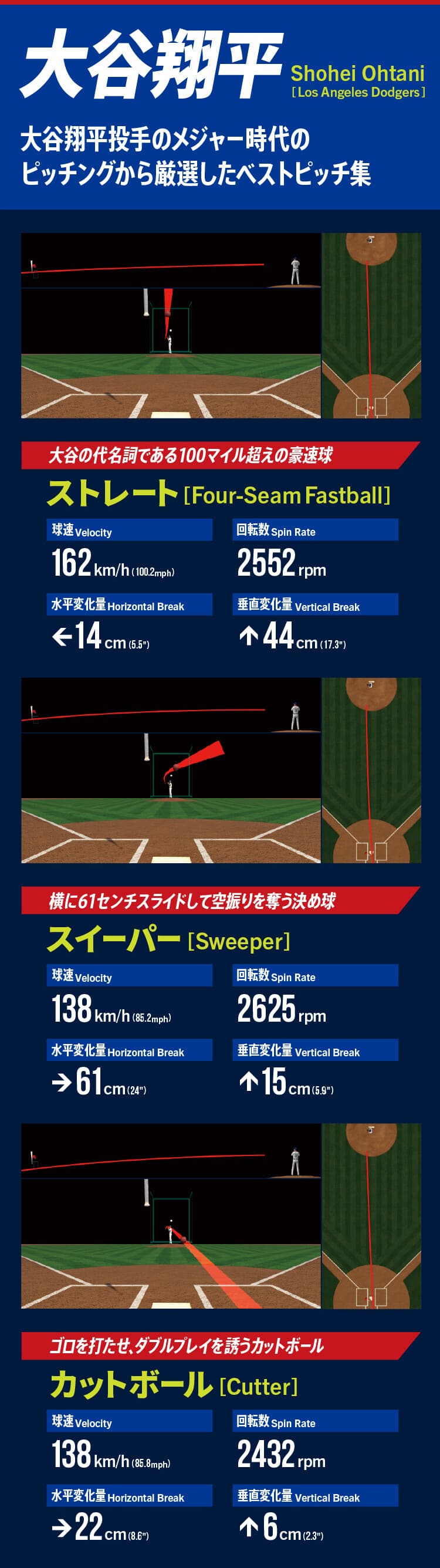
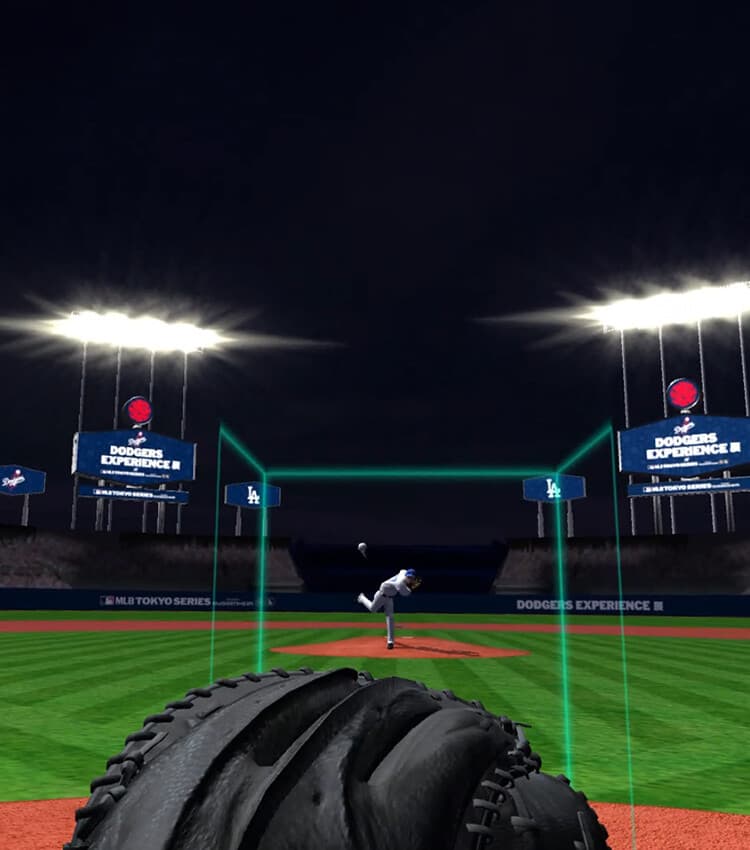
Visitors picked a role — batter or catcher — then put on a VR headset and took hold of a real bat or catcher's mitt rigged with motion sensors. Standing at home plate on a virtual stadium, they faced Ohtani or Yamamoto winding up to throw: the speed, spin, and break of every pitch were pulled from actual MLB tracking data, so a 100-mph fastball closed the gap in the same split second it would on TV, and breaking balls snapped more than 60 cm just before the plate. After each swing or catch, the player saw a trail overlaying their bat's path against the pitch, showing exactly how close — or how far — they'd come. The session ran about 10 minutes as a single stop on the exhibition route, with a minimum age of 10.
Results
The Legend Pass, the only ticket tier bundled with VR access, sold out its first batch on the exhibition's opening day, March 5, 2025, and the attraction was featured on more than 20 TV and YouTube programs.
- 1
Access to the VR station requires the exhibition's top ticket tier, and it carries an age gate: no players under 10, and 10- to 12-year-olds need a signed consent form. Before reaching the VR batting cage, players first walk through the rest of the exhibition's memorabilia and film displays.
- 2
At the booth, the player picks a role, catcher or batter, which sets both the gear and the scenario. Instead of a standard controller, the player holds a motion-tracked bat or catcher's mitt built for the chosen role.
- 3
Wearing the headset, the player stands at home plate facing a virtual pitcher modeled on a real MLB player (Shohei Ohtani or Yoshinobu Yamamoto), throwing pitches reconstructed from official MLB tracking data, including fastballs near 160 km/h (100 mph) and sharply breaking balls.
- 4
A session runs about 10 minutes: batters face 8 pitches, catchers face 5.
- 5
After each swing, a residual trail marks the bat's path through the air, so even a miss shows how close the swing came to the ball.
- 6
An easier mode is available for players without baseball experience, enlarging the ball and bat and increasing the bounce so contact is easier to achieve.
- 7
While one player is in the headset, bystanders can watch a broadcast-style "public view" of the at-bat on an external monitor.
- 8
At the end of a batting session, the game converts the player's performance into a mock "annual salary" figure, a shareable number meant for comparing with friends and family.
- 9
The pitcher roster is updated over the course of a run, adding a new MLB player's pitches (Roki Sasaki) partway through, so a returning player can face a pitcher that wasn't available before.