









Time Explorer
- Brand
- British Museum
- Year
- 2008
- Objective
- Engagement
- Industry
- Other
- Mechanic
- Adventure & Quest
- Platform
- Web
- Agency
- GR/DD


Objective
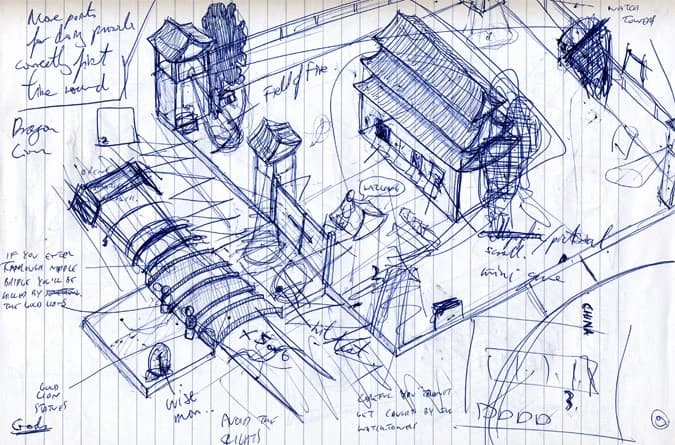
The British Museum wanted to pull 9-to-14-year-olds into ancient history and its own collection without requiring a visit, giving its Young Explorers section a safe, informal destination where kids would learn by playing rather than being taught at. To get it right, the museum ran a competitive tender in late 2008, choosing GR/DD from a shortlist of twelve pitches and shaping the games with feedback from pupils at Argyle Primary School in Camden.
Solution
Players open the game inside a drawn version of the museum's Great Court, choose a young curator character, then pick a time period to travel to: Ancient Rome, Aztec Mexico, Imperial China, or a fourth, unlockable trip to Ancient Egypt. Each period drops them into an isometric level where they dodge hostile figures, work through environmental puzzles and mazes, and clear short minigames while hunting for hidden treasure. Found artefacts get carried back to the local people to complete the level, closing the loop between rescue and reward. A session ends with a score posted to a public leaderboard, and a Discover section of over 500 real museum objects sits alongside the game for kids who want the story behind what they just rescued.
- 1
The player begins in an illustrated recreation of the British Museum's Great Court, which serves as the game's hub. From here they can start a level, pick a character or check the scoreboard.
- 2
Before departing, the player chooses which young curator character to play as.
- 3
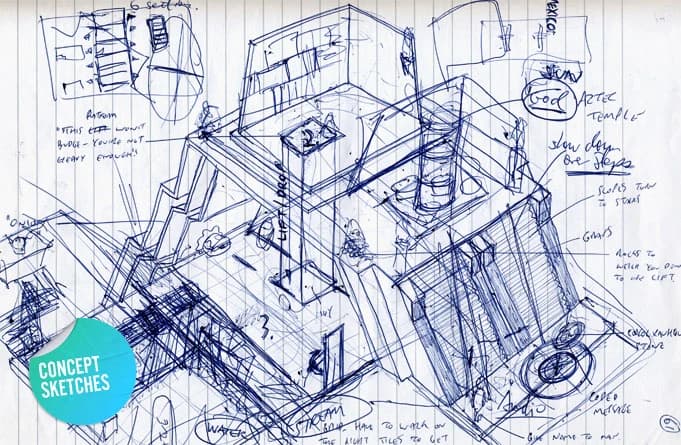
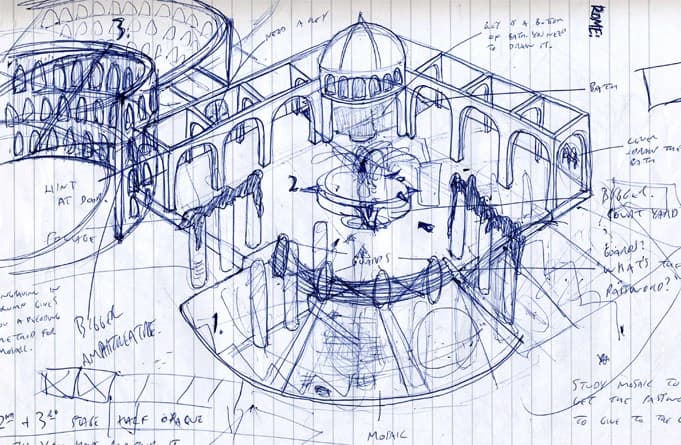
The player selects one of three time periods offered from the hub: Ancient Rome, Aztec Mexico or Imperial China.
- 4
In the chosen era, the objective is the same throughout: locate an endangered treasured object, rescue it from a natural disaster and return it to the local people while solving challenges along the way.
- 5
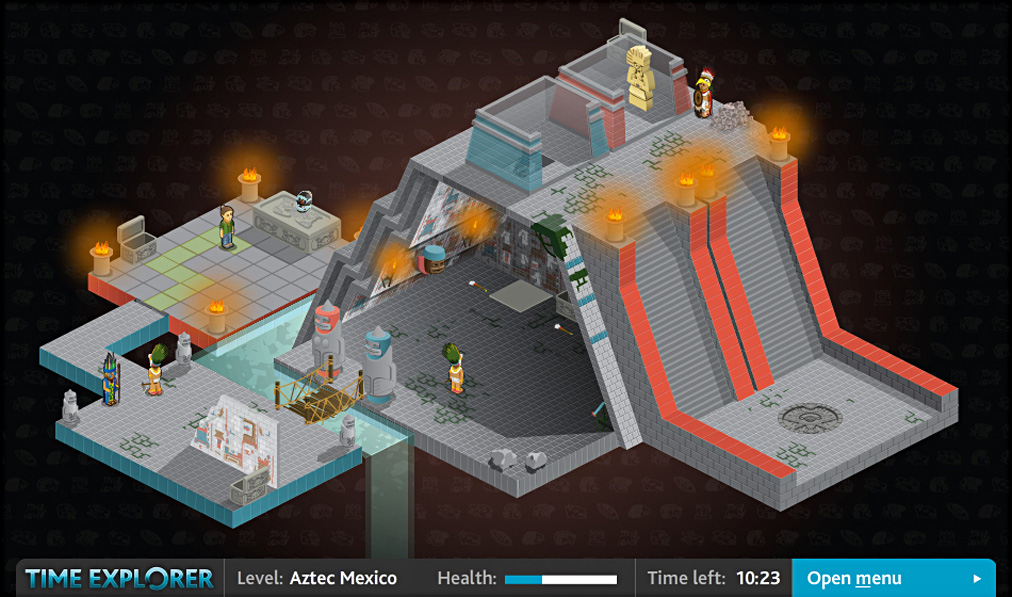
Core movement and obstacles vary by era: the Aztec Mexico level has the player navigate an isometric city while dodging warriors, the Ancient Rome level is built around environmental puzzles that open the route to the object, and the Imperial China level is a maze the player must find a way through.
- 6
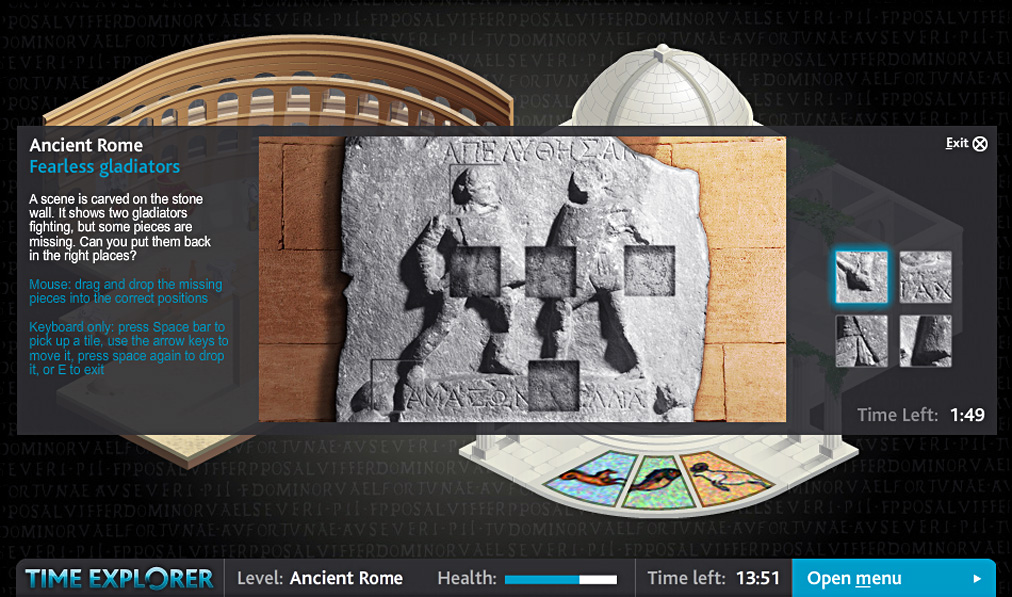
At set points the game shifts into minigames: one has the player assemble a sculpture piece by piece rather than simply picking it up, and another has them rub away cobwebs to uncover a hidden code needed to progress.
- 7
Hidden treasures are scattered through each level; finding them adds to the player's score.
- 8
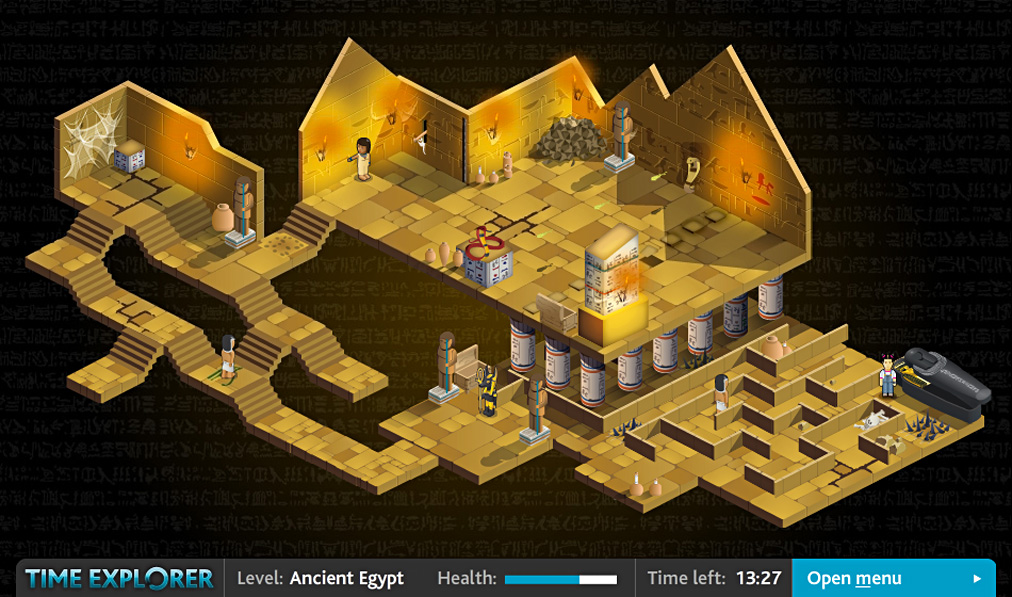
Continued play unlocks a secret fourth destination, Ancient Egypt, with its own object-rescue level.
- 9
If stuck, the player can leave the levels for the Discover section of Young Explorers to read about more than 500 museum objects before returning to play.
- 10
Back in the Great Court, the player checks the online scoreboard to see how their score ranks against other players.