









Planet Planners
Open the game- Brand
- BBC Bitesize
- Year
- 2025
- Objective
- Other
- Industry
- Other
- Mechanic
- Simulation & Strategy
- Platform
- In-Game
- Agency
- Playerthree




Objective
BBC Bitesize built Planet Planners to reach its young audience on the platform where they already spend their time, rather than waiting for them to visit a BBC site. The game ties directly into the geography curriculum for 11-14-year-olds across the UK and into US K-12 standards, giving BBC Children's and Education a way to put classroom learning inside a game kids already play. Bitesize executive producer Una Jacquest described following the audience onto Roblox as central to that strategy.
Solution
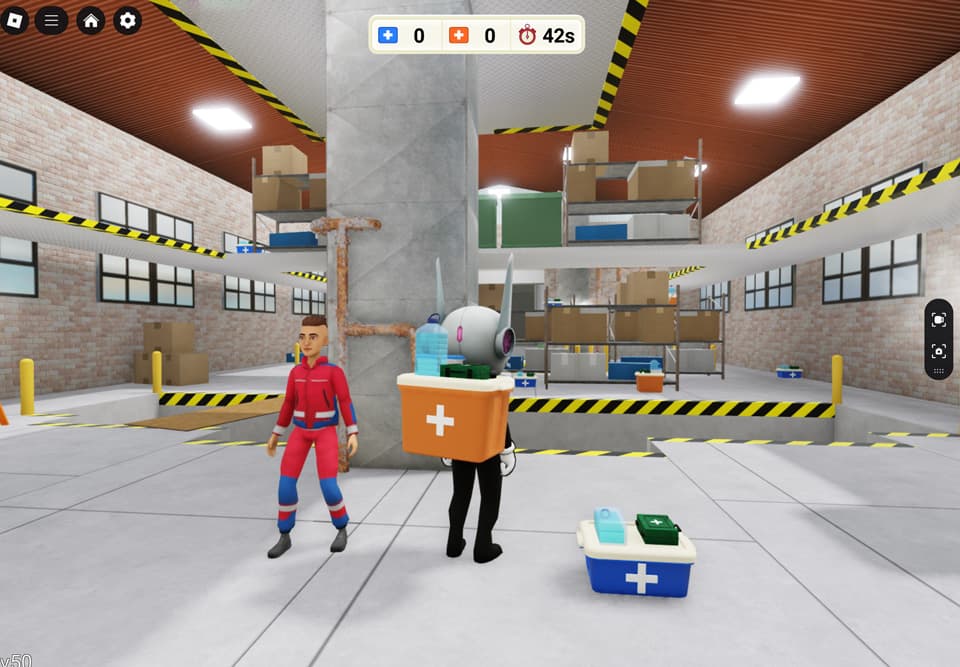
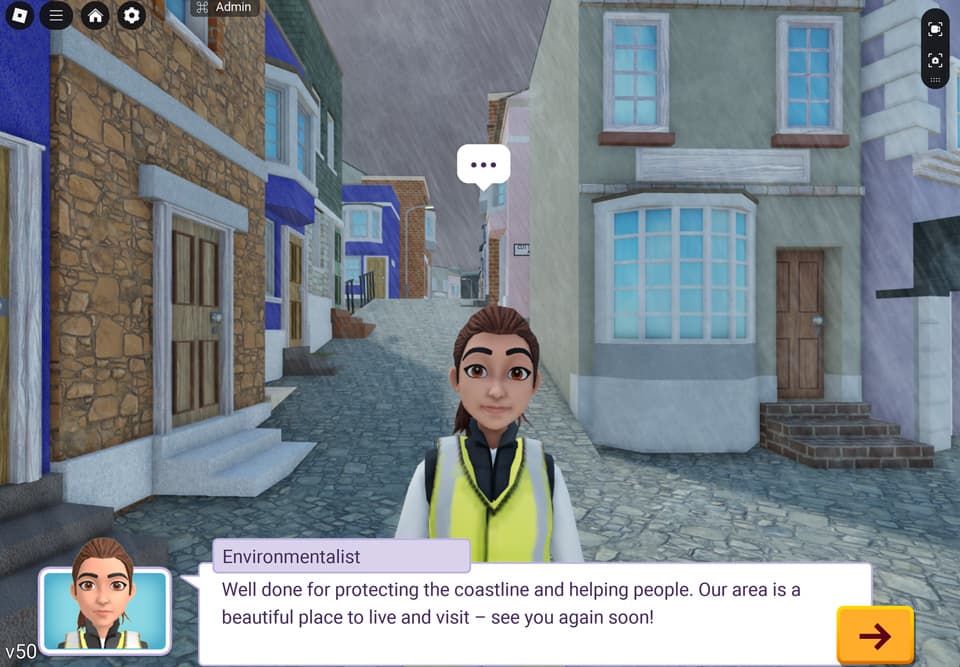
Players join a free, verified BBC Bitesize server on Roblox, alone or with up to 40 others, such as a whole class. After picking one of six topics — tectonic hazards, coastlines, weather and climate, urbanisation, population and migration, or food and water — the player is dropped into one of twelve real-world locations, from Iceland to Indonesia to Madagascar. There they hear out local residents and stakeholders, then make decisions against a fixed budget; the world responds immediately, with health, economy, and ecology meters shifting to match the choice. Each decision then has to be carried out in a timed action round — construction, operating machinery, training rescue dogs, or saving baby turtles — which pays out stars and Planet Points to upgrade tools and unlock accessories. A session ends with a report the player can save and send to their teacher.
Results
As of September 15, 2026, Planet Planners has logged 2,871,791 visits and 13,217 favorites on Roblox.
- 1
Players find the game on Roblox by searching "Planet Planners" or "Planet Planners from BBC Bitesize" and open a BBC Bitesize-branded landing page inviting them to tackle Earth's great challenges.
- 2
Before heading out, the player equips a hat and backpack on their avatar, then chooses to play solo or in a group, with task difficulty scaling to the number of players.
- 3
The player picks one of six geography themes — tectonic hazards, coasts, weather and climate, urbanization, population and migration, and food and water — each offering two real-world locations (Iceland and Indonesia, the UK and Central America, the southern US and the Bay of Bengal, Central Africa and Northern Europe, Madagascar and Southern Europe, or East Africa and the western US).
- 4
The chosen scenario drops the player into a realistic, freely explorable 3D location — a tropical beach, a sprawling city, a volcanic island — that even includes mineable areas.
- 5
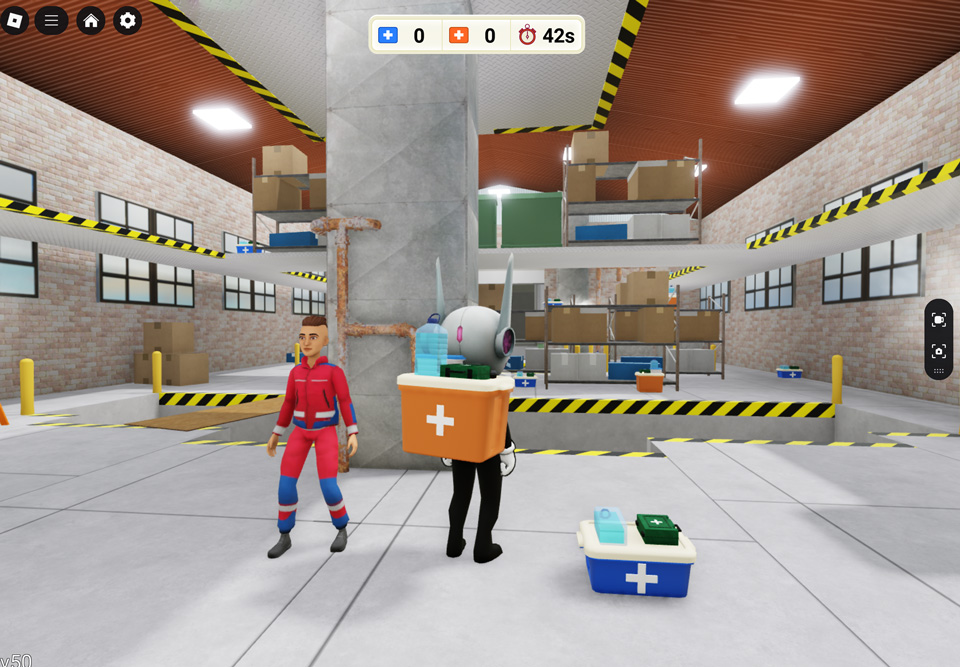
Each scenario sets a concrete goal, such as preparing for a volcanic eruption, protecting turtle hatchlings, aiding storm survivors, containing a disease outbreak, or untangling urban sprawl; the player earns stars by keeping society, economy, and ecology in balance without exceeding a budget.
- 6
The core loop has the player hearing out residents and stakeholders, weighing their competing requests, and choosing which measures to fund within the budget; every decision reshapes the environment and shifts the society, economy, and ecology meters up or down.
- 7
Chosen decisions are carried out through timed action tasks and minigames: tap-based construction, operating equipment, training rescue dogs, saving hatchlings, or cleaning up pollution.
- 8
An on-screen tracker shows how much of the scenario is complete, and finishing it awards a star rating based on whether the player stayed within budget; going over budget yields no stars but lets the player retry with a different strategy.
- 9
Completed scenarios pay out Planet Points, a currency spent on upgrading tools and unlocking avatar accessories.
- 10
The player can save a report of their results and send it to a teacher.