








Hariboy's Quest
Visit the site- Brand
- Haribo
- Year
- 1996
- Objective
- Engagement
- Industry
- Food & Drink
- Mechanic
- Adventure & Quest
- Platform
- In-Game
Objective
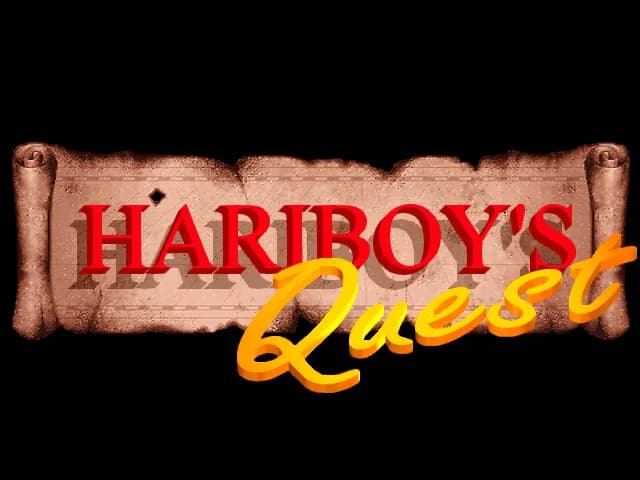
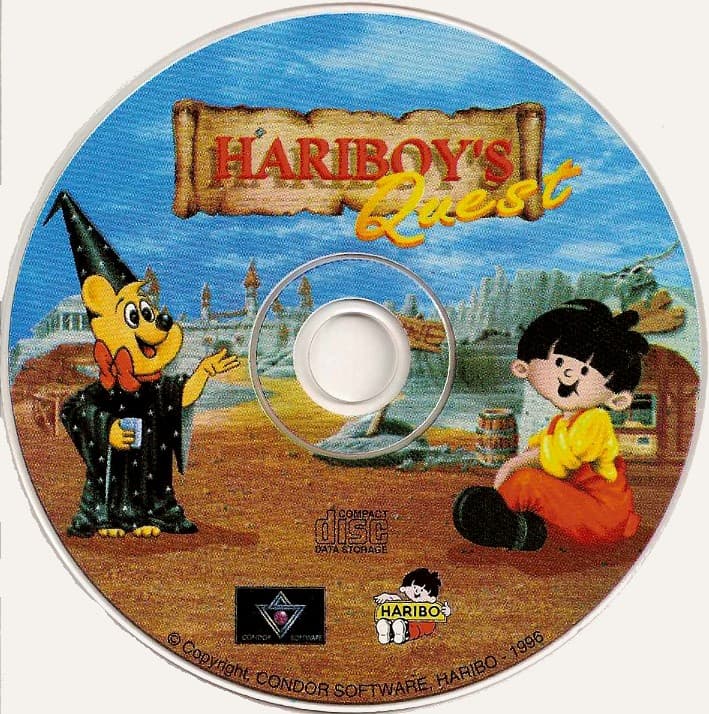
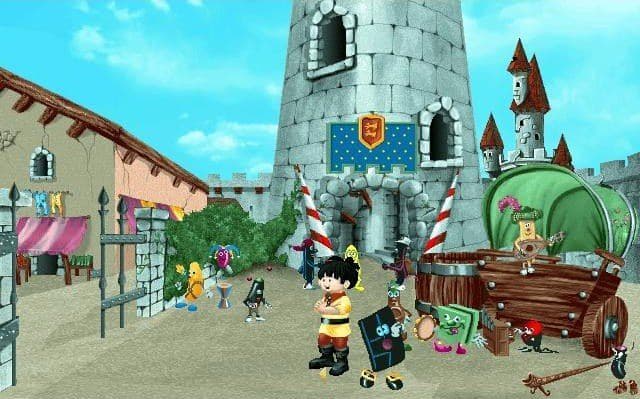
In the mid-1990s, Haribo published its own CD-ROM adventure to reach kids through a new channel, home computers, rather than television or print. The game put the brand's actual product at the center of the story: the disappearance of Haribo's candy formula drives the whole plot, and the Golden Bear, the company's core advertising mascot, guides the player as their in-game companion.
Solution
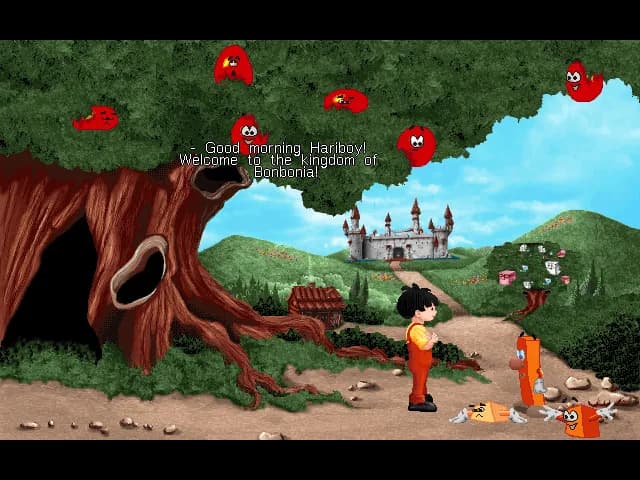
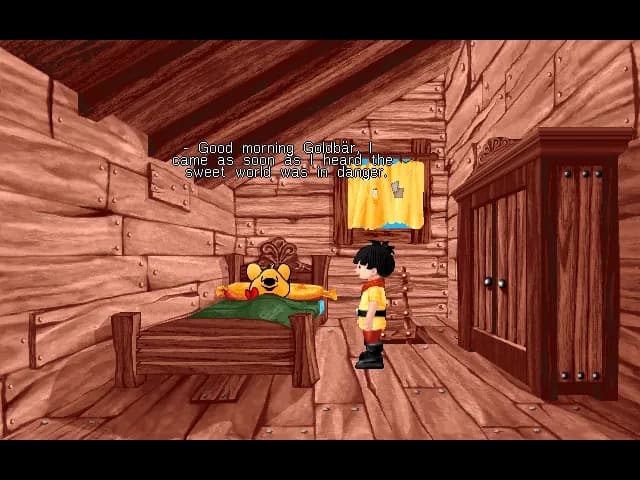
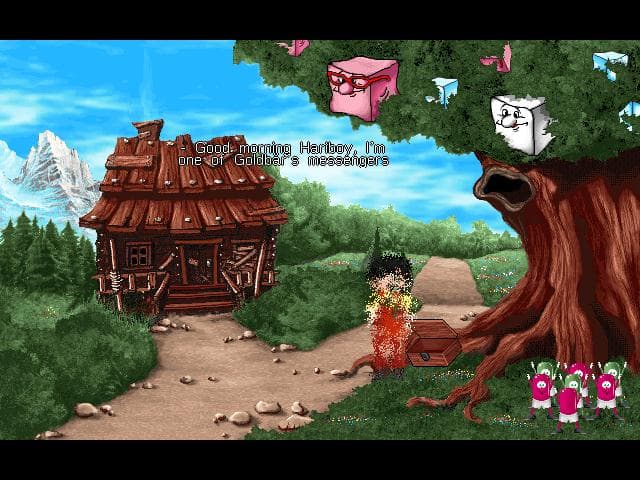
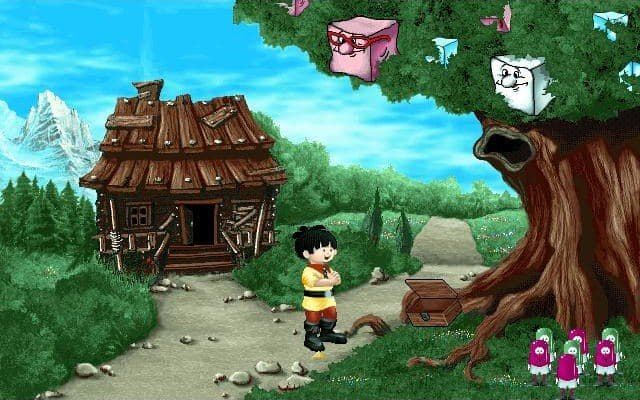
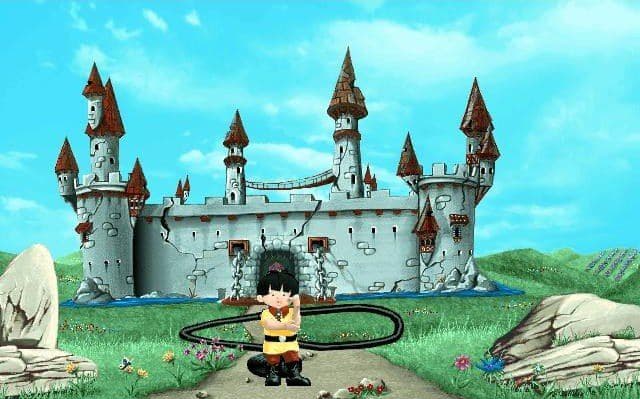
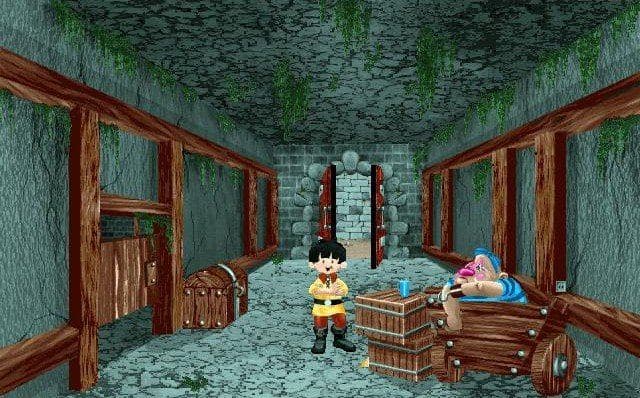
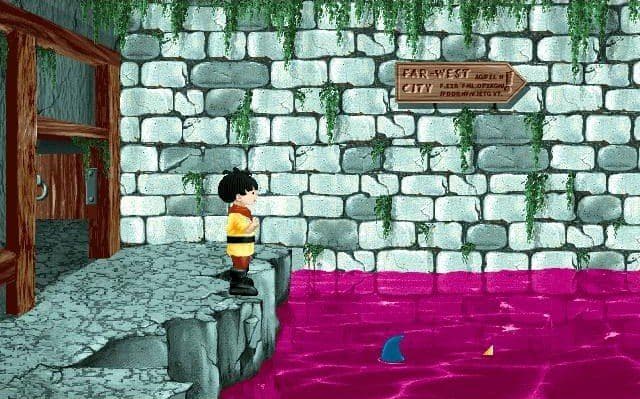
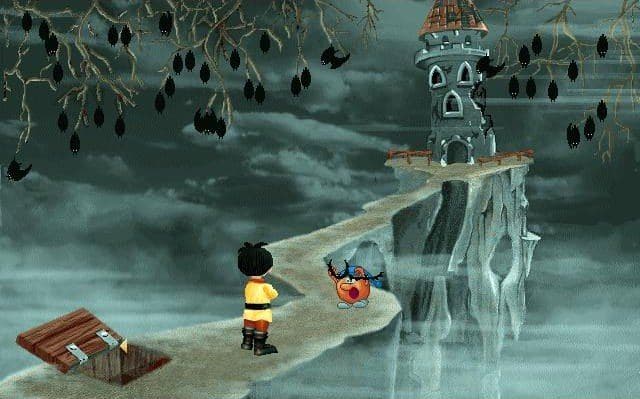
Players guide young Hariboy after he's pulled through a painting into Bonbonia, a candy kingdom built from Haribo's own mascots. Moving only the mouse, they left-click to examine or use whatever's highlighted on screen, right-click to open the inventory and pick an item, and click both buttons together to save or load a game. Across roughly 250 hand-drawn screens spanning a medieval realm, a Wild West town, and ancient Rome, players pick up objects, combine them with scenery and characters to solve puzzles, and race to recover three missing formula books before Captain One-Eyed Jack's pirates get to them first. A session ends whenever the player chooses to save and quit, picking up again exactly where they left off.
- 1
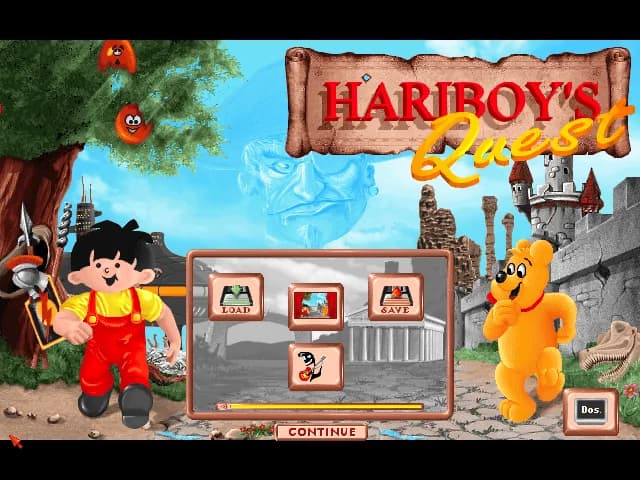
The game opens on a title screen, then a cutscene: Hariboy watches a Haribo News broadcast about the candy country Bonbonia get hijacked by pirate antagonists hunting for the secret candy formula. Frightened, Hariboy is pulled through a painting on his wall into Bonbonia itself, and the main menu leads into play.
- 2
Controls are a classic point-and-click scheme: left click examines or uses a highlighted object, right click opens the inventory to select an item, and clicking both buttons together brings up the save/load and settings menu.
- 3
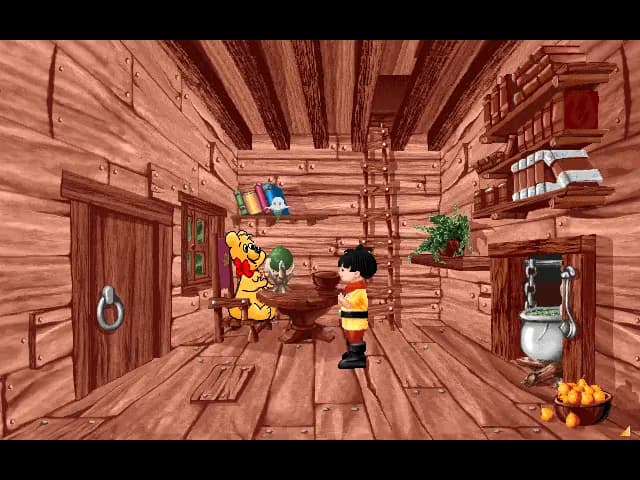
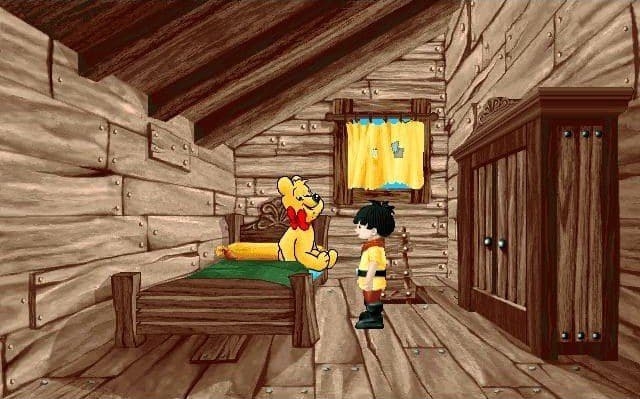
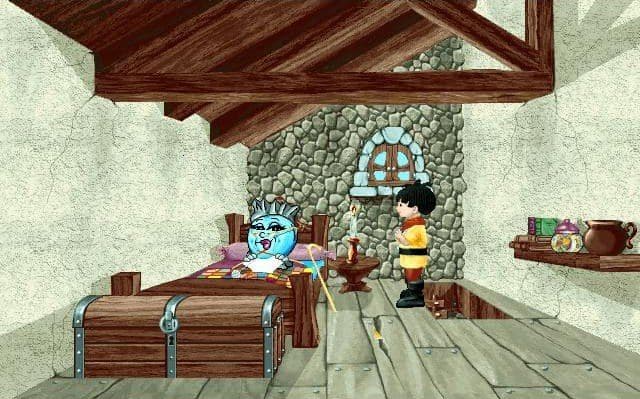
The core loop is inventory-based puzzle solving: the player explores hand-drawn rooms across a medieval world, collects objects from furniture, containers, and hidden compartments, and combines them with each other, with scenery, or with non-player characters to unlock new areas and progress.
- 4
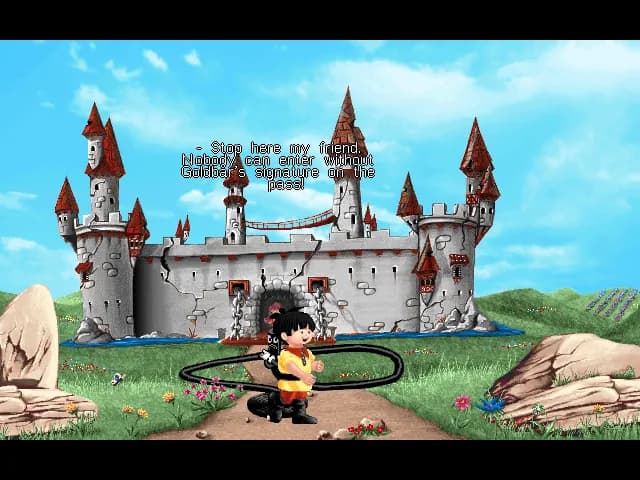
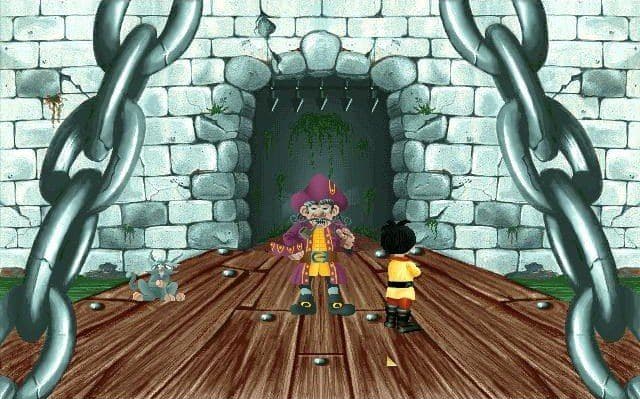
Recurring pirate enemies block certain rooms and are neutralized through item-based tricks — spiking a drink, using a found charm to summon the Golden Bear as an ally, or ambushing with thrown items — turning combat into another puzzle rather than an action challenge.
- 5
Larger set-piece puzzles gate access to new zones: measuring out an exact weight of candy on a scale, cooking a meal from a recipe, forging a wax seal from a drawing to pass a checkpoint, and rebuilding a broken statue from parts scattered across a region.
- 6
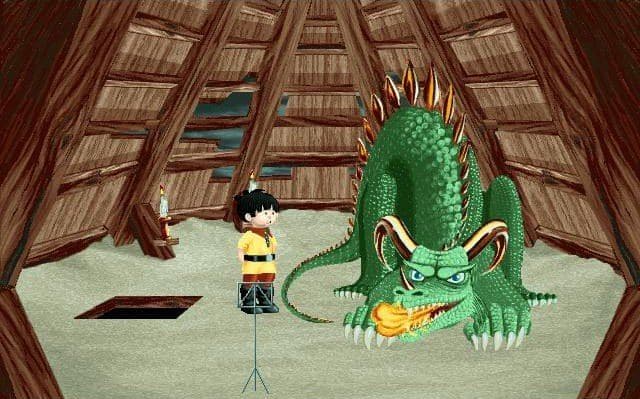
The three-part candy formula is the game's central collectible: fragments are recovered one at a time by clearing major obstacles — subduing a dragon with music, aiding a wrongly-imprisoned character, and solving a temple ritual — each yielding one of the three formula books.
- 7
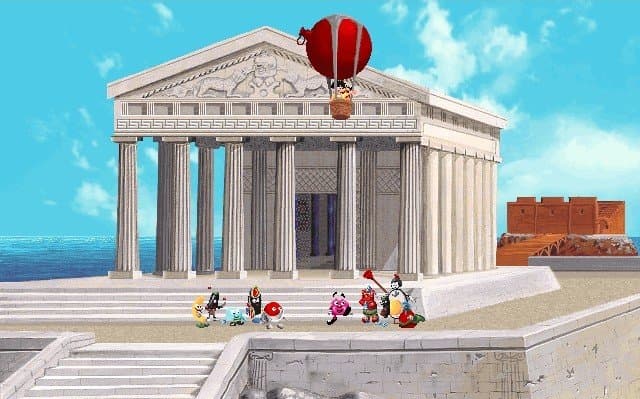
Progression carries the player through three distinct settings in sequence — a medieval fantasy realm, a Wild West town, and an ancient Roman city — each with its own cast of characters, shops, and location-specific puzzles before opening the path to the next.
- 8
The game ends with a return to the starting medieval world: the player frees a previously captured ally, passes the now-harmless pirate captain, and a final cutscene confirms Bonbonia has been saved with all three formula pieces recovered.